IJN-TERUMO Hands-On Training: Bailout Solutions

omegakimia@yahoo.com
Posted in Slider, Workshop

Special thanks to Terumo Malaysia & Ikhlas Malaysia for organizing this hands-on bailout session at IJN for cardiology department! “IJN-TERUMO Hands-On Training: Bailout Solutions”
It was a great session chaired by Datuk Dr Shaiful & Datuk Dr Kumara.

Around 20 participants for this half day workshop at IJN, guiding us step-by-step on how to manage trapped wire and vessel perforations.
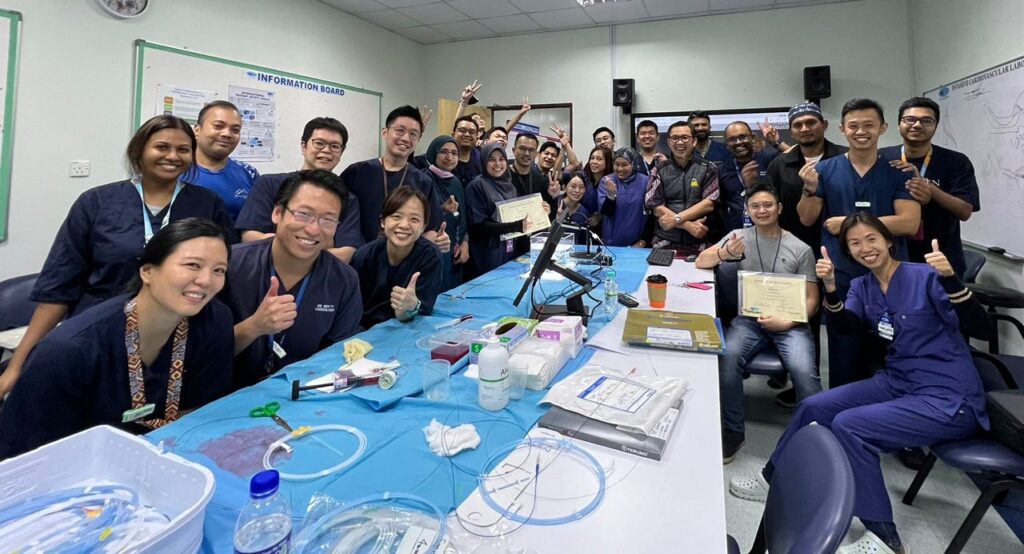
We do not see much such complications in our day to day practice. Hence, such a workshop will be very valuable in our training.
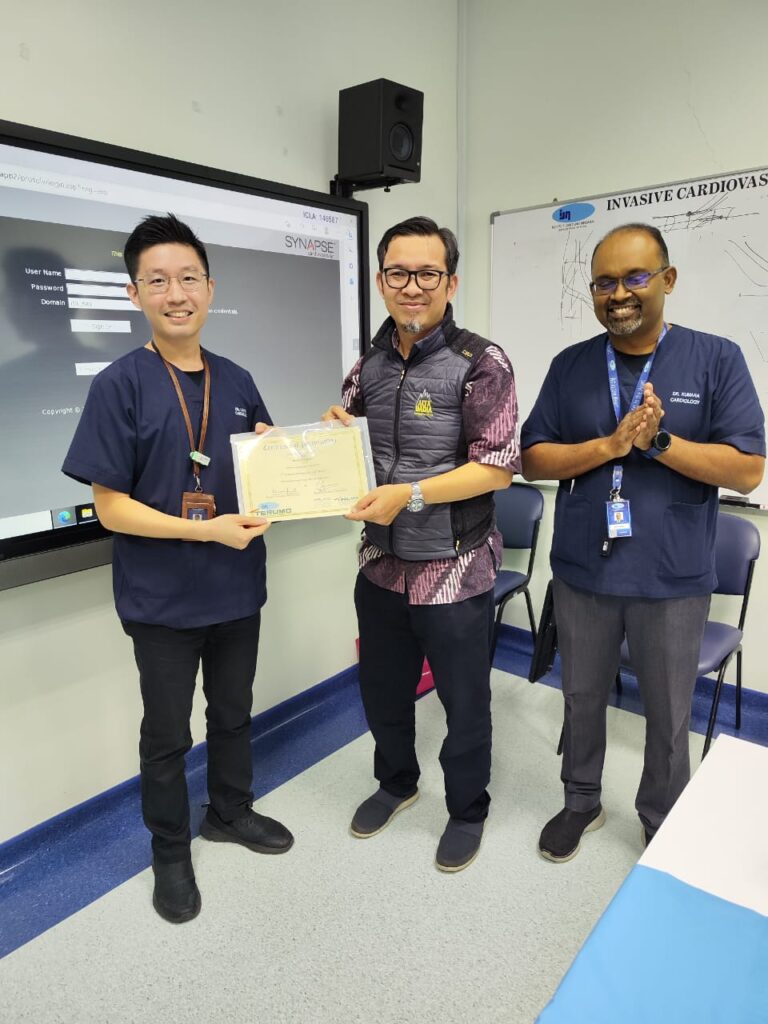
With Datuk Dr Shaiful & Datuk Dr Kumara
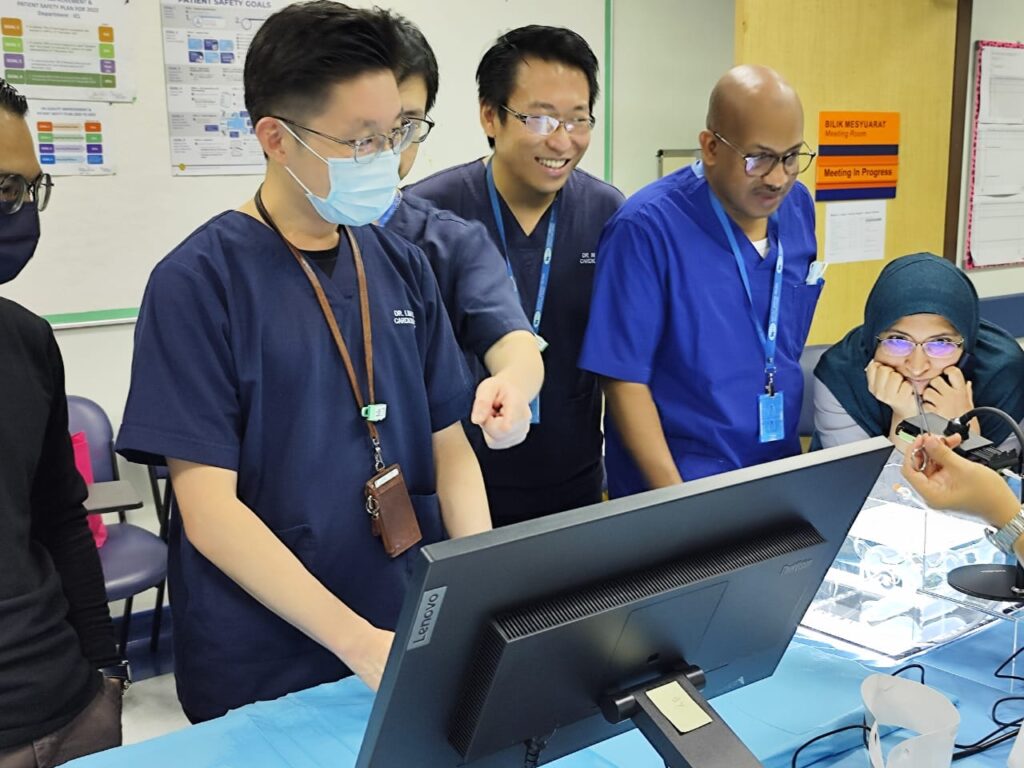
IJN-TERUMO Hands-On Training: Bailout Solutions

Playing with the RM40k model!

What is a trapped wire?

“During a coronary angiogram, a thin, flexible wire called a guide wire is inserted into an artery in the wrist or groin and threaded through the blood vessels to the heart. The guide wire helps the doctor to position the catheter, which is a longer and flexible tube that is advanced over the wire to the heart’s arteries.

Sometimes during the procedure, the guide wire may become “trapped” in the arteries. This means that the wire is unable to be removed easily or smoothly, and it may require additional procedures or techniques to remove it. Trapped wires during a coronary angiogram are uncommon, but they can occur due to various reasons, including the vessel’s tortuosity, a narrow or tight artery, or a malfunctioning of the equipment used in the procedure. Prompt action by the medical team is necessary to address the situation to avoid potential complications.”
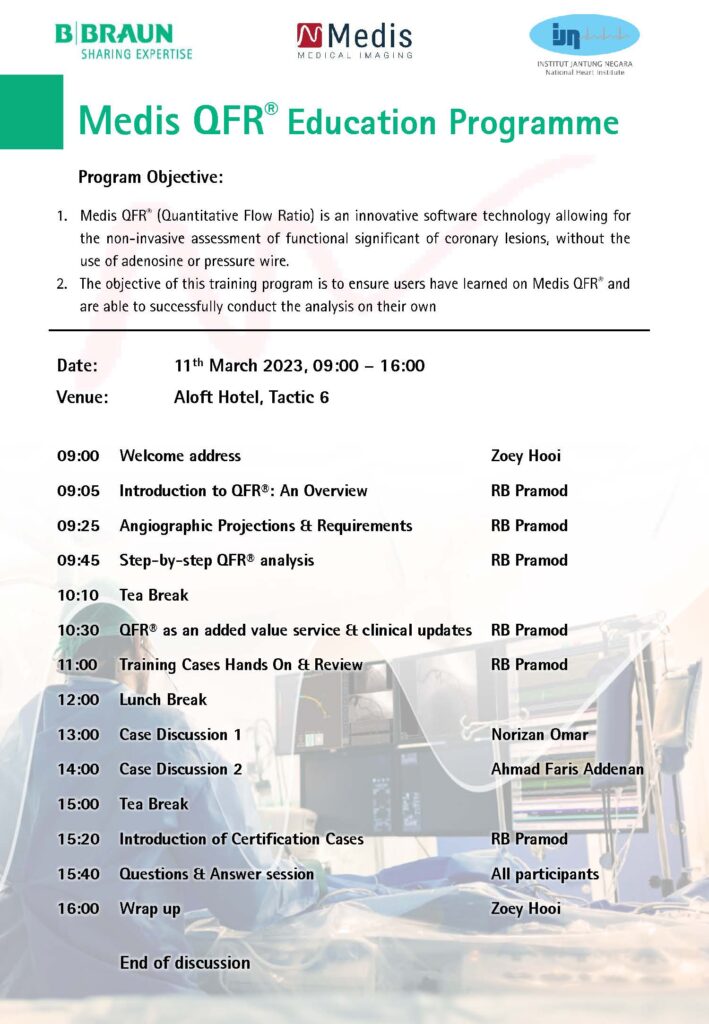
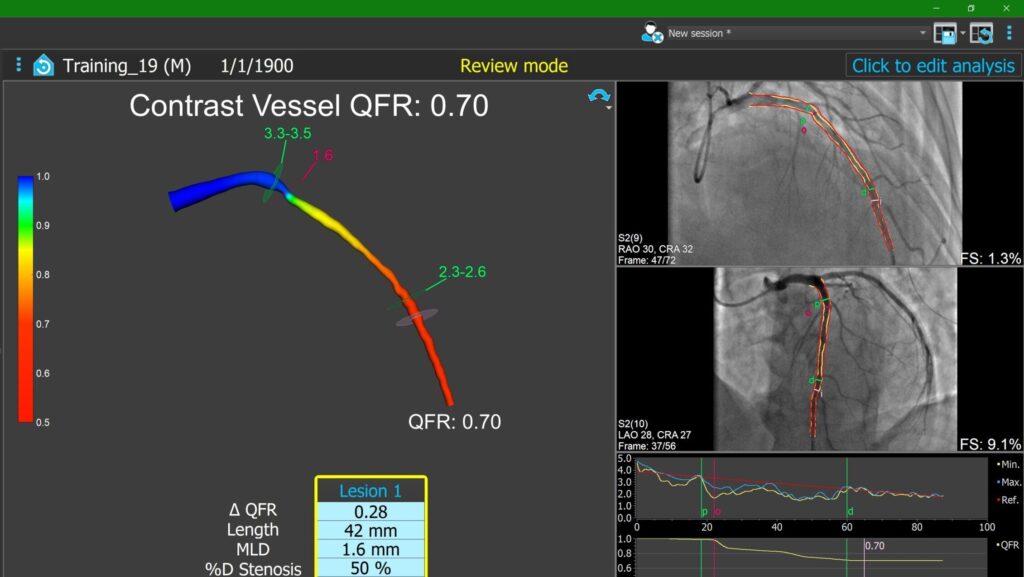
Excellent BBraun QFR Certification Workshop

omegakimia@yahoo.com
Posted in Workshop

Quantitative Flow Ratio (QFR) is a non-invasive diagnostic tool that uses advanced computational algorithms to assess blood flow in the coronary arteries. QFR provides a functional assessment of the coronary arteries, allowing doctors to accurately identify significant narrowing or blockages in the arteries.

Traditional diagnostic methods for coronary artery disease, such as angiography, are invasive and require the use of contrast dye. QFR, on the other hand, uses only a routine angiogram to create a 3D model of the coronary arteries. The model is then analyzed using specialized software to determine the blood flow in each segment of the artery.

QFR works by simulating blood flow in the coronary arteries under various physiological conditions. By analyzing the flow parameters, the software can identify areas of the artery that may be significantly narrowed or blocked. This information can help doctors determine the best course of treatment for patients with coronary artery disease.

QFR

One of the benefits of QFR is that it provides accurate and reliable results with a high level of precision. Studies have shown that QFR is as effective as invasive methods such as fractional flow reserve (FFR) in assessing coronary artery disease.

Another advantage of QFR is that it is a non-invasive procedure, which means that it does not require the use of contrast dye or any other invasive techniques. This makes QFR a safer and more convenient option for patients, as there is no risk of complications or side effects associated with invasive procedures.

Overall, QFR is a promising diagnostic tool that can help doctors accurately assess blood flow in the coronary arteries and identify significant narrowing or blockages. With its high level of precision and non-invasive nature, QFR is becoming an increasingly popular option for patients with suspected coronary artery disease.

New! Biotronik DCB Pantera Lux Workshop Sarawak Heart Center

omegakimia@yahoo.com
Posted in Workshop

Special thanks to Biotronik for organizing this wonderful 3 days 2 nights DCB Pantera Lux workshop at Sarawak Heart Center (SHC), Kuching.

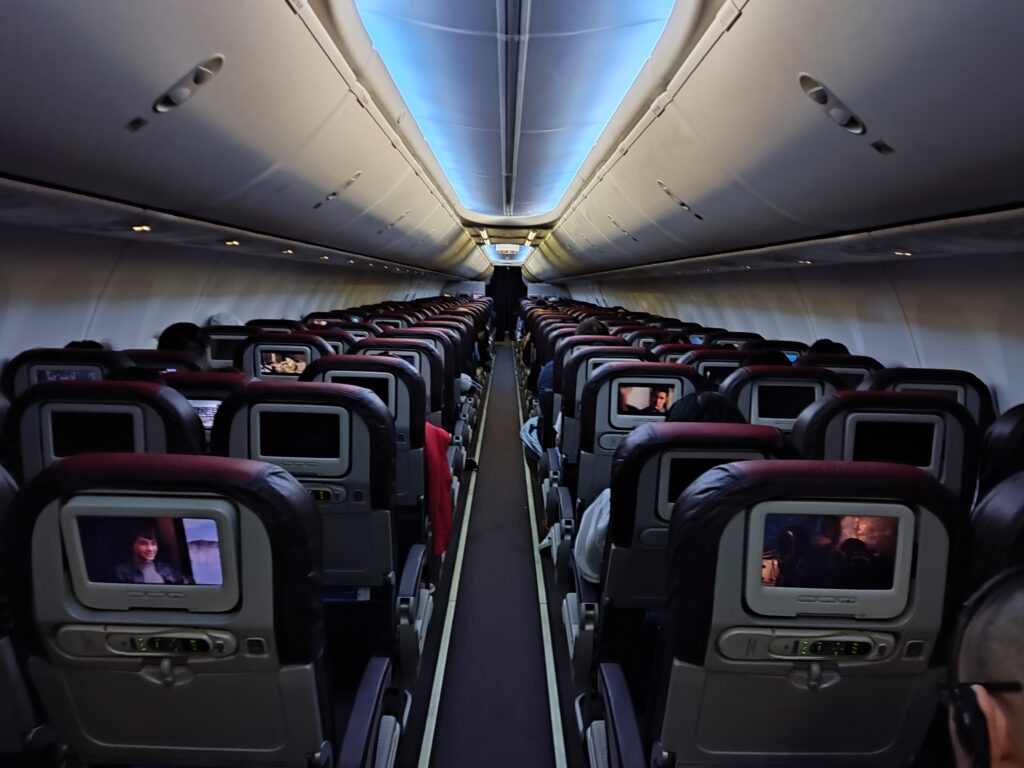
MAS 737-800
Kuching river from Pullman view
Evening view of Kuching
With Dr Ong TK, Head of Department Cardiology SHC
pantera lux biotronik
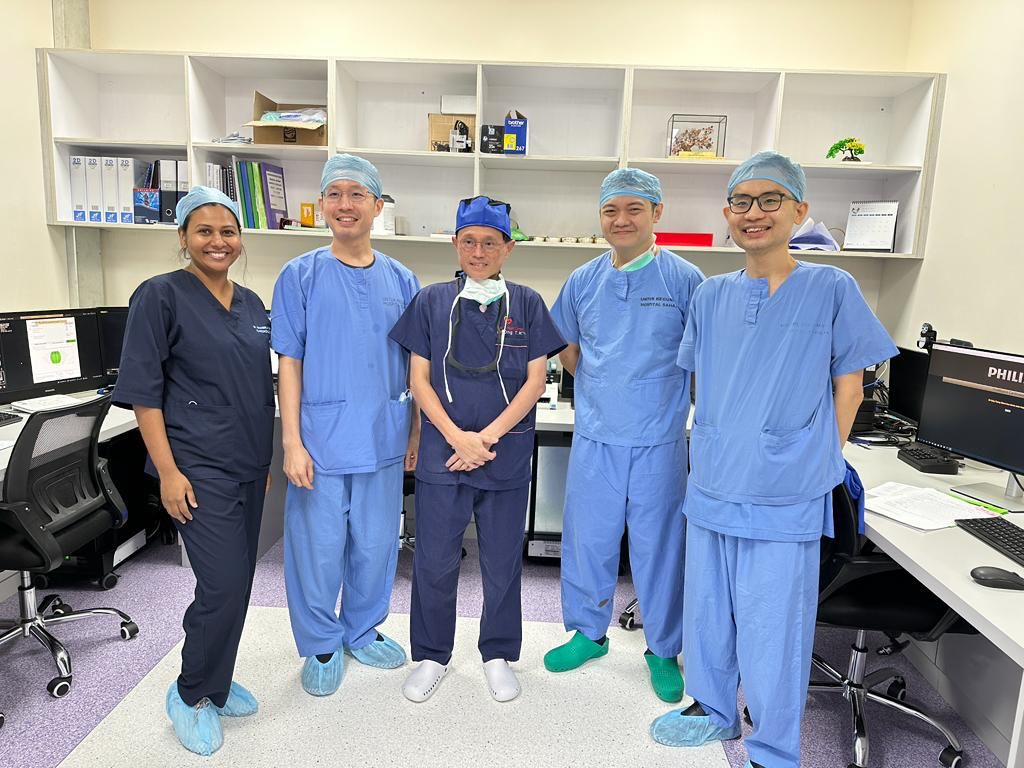
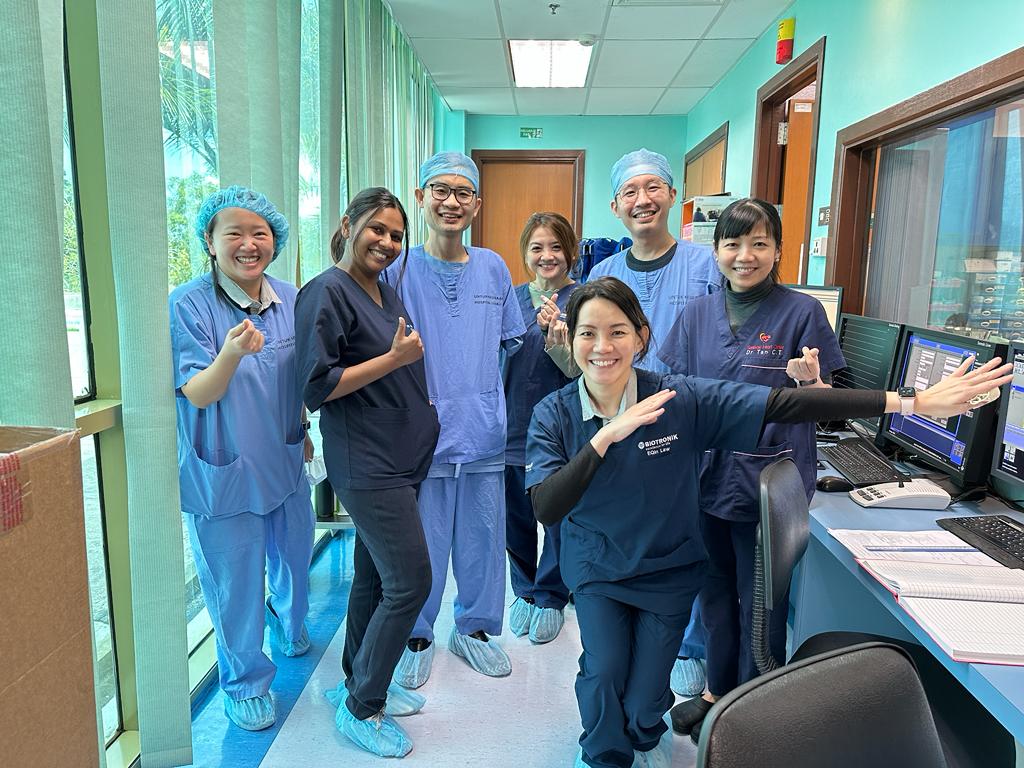
With Dr Tan CT & Biotronik team, Lynne, Jane & Eqin
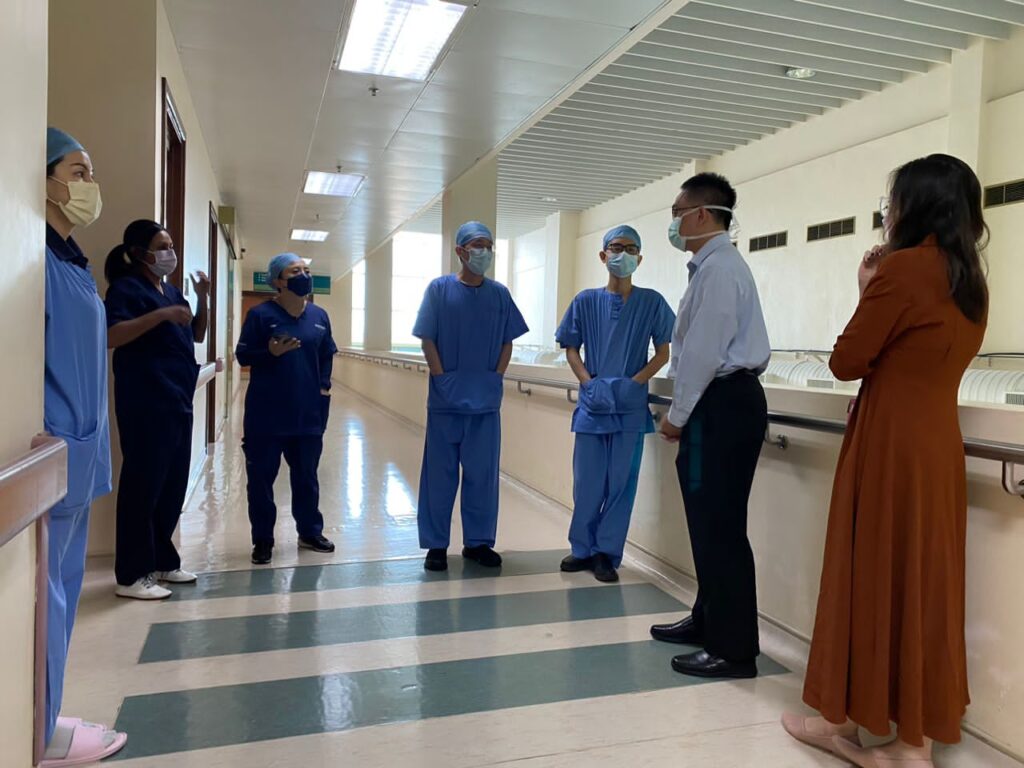
Wonderful touring of SHC by Dr Alan Fong showing the CRC department

Great learning experience from the consultants at SHC regarding DCB with their case sharing!

Great to see old friends/ lecturers from UNIMAS

7 to 8 February 2023

Micra: World’s Smallest Leadless Pacemaker Workshop at IJN

omegakimia@yahoo.com
Posted in Workshop

Medtronic Malaysia has organized a Micra workshop at IJN on 15 December 2022. My 1st Micra implantation on 16 December 2022, proctored by Dr Surinder, Senior Consultant Cardiologist & Electrophysiologist from IJN.

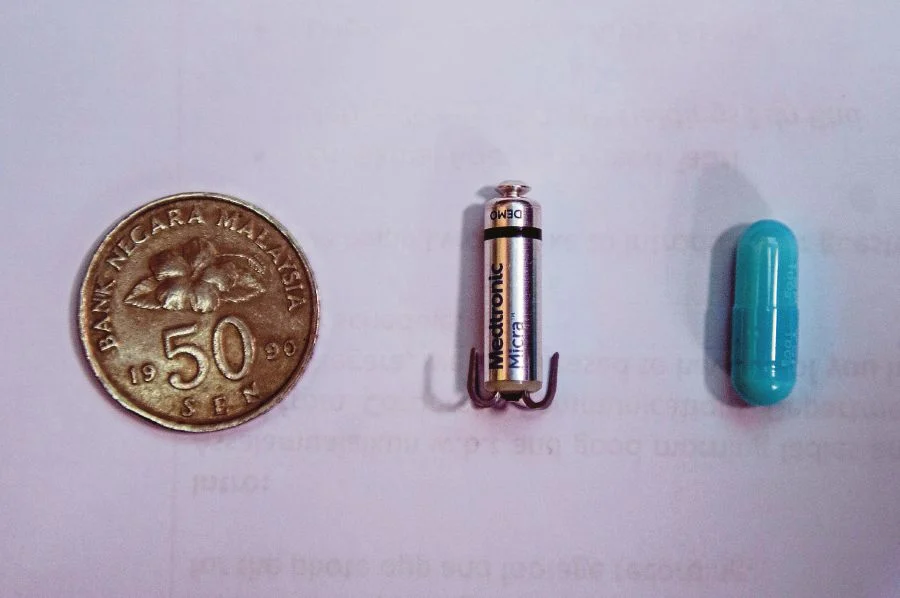
Micra is the world smallest leadless pacemaker, to help with patient heart rhythm.

With Datuk Dr Azlan, Head of Electrophysiology IJN

With my boss, Dr Surinder

Proctored by Dr Surinder

Final successful insertion of Micra!

Micra pacemaker size compared to a pill and coin.

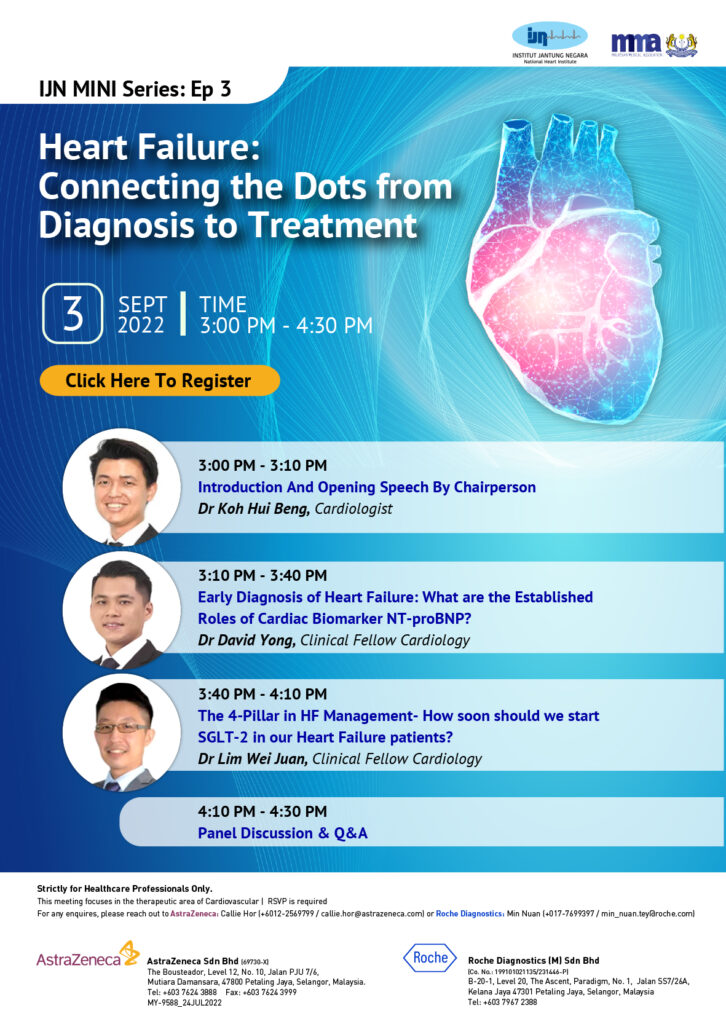
IJN Mini Series Ep 3: New Heart Failure Treatment!

omegakimia@yahoo.com
Posted in Workshop

Got a golden opportunity from AstraZeneca company to participate in IJN Mini Series for CME for doctors in Malaysia about latest and new heart failure treatment.

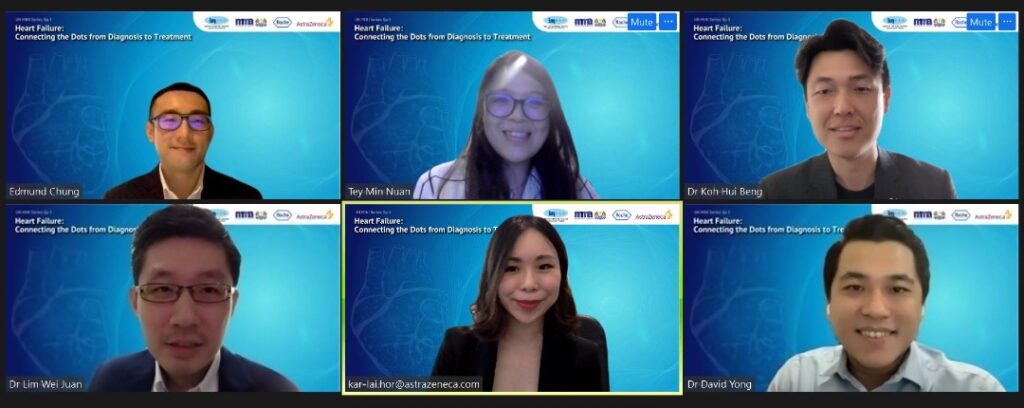
With esteem speakers from IJN, it was delivered via zoom platform due to COVID-19 pandemic.

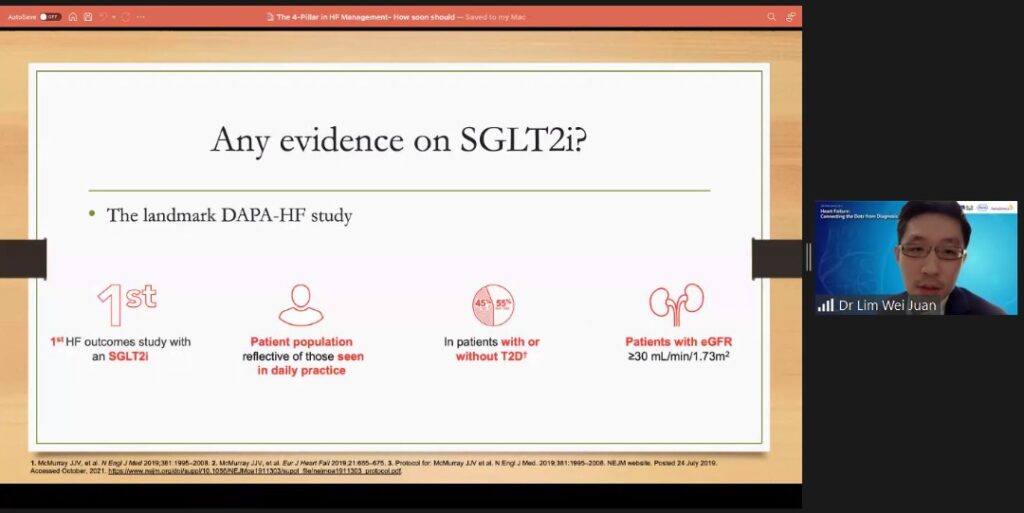
Heart Failure updated management
With fellow doctors and organizers from AZ
Great work from AZ and IJN!

Hope more to come in future!

Medtronic Pacemaker Workshop for Cardiology Fellow

omegakimia@yahoo.com
Posted in Workshop

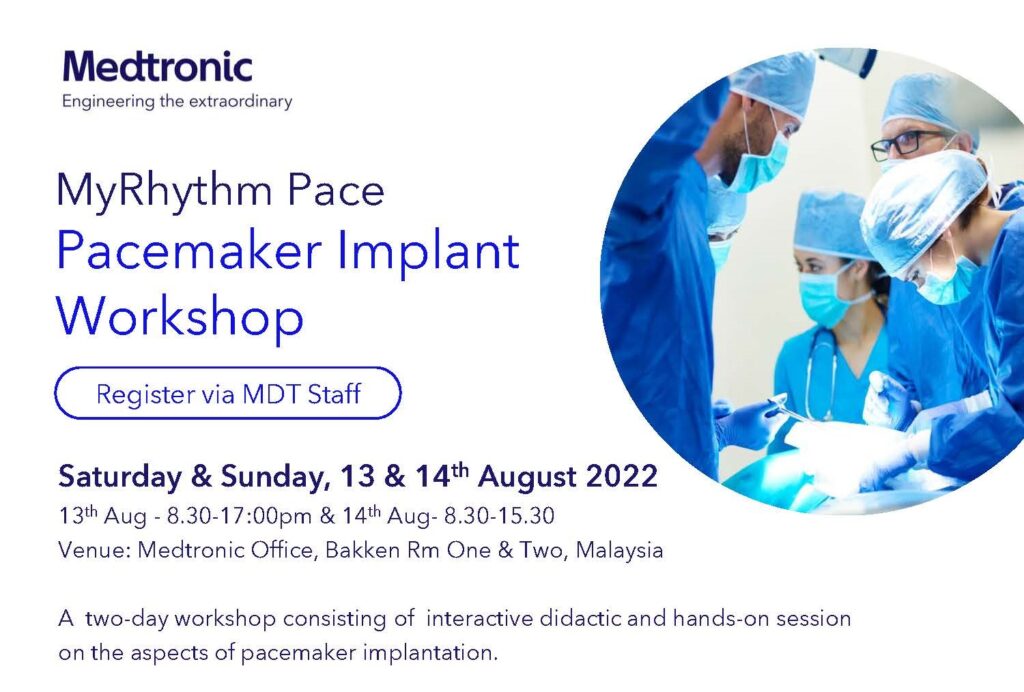
It was thrill to attend Medtronic pacemaker workshop at their main office KL.

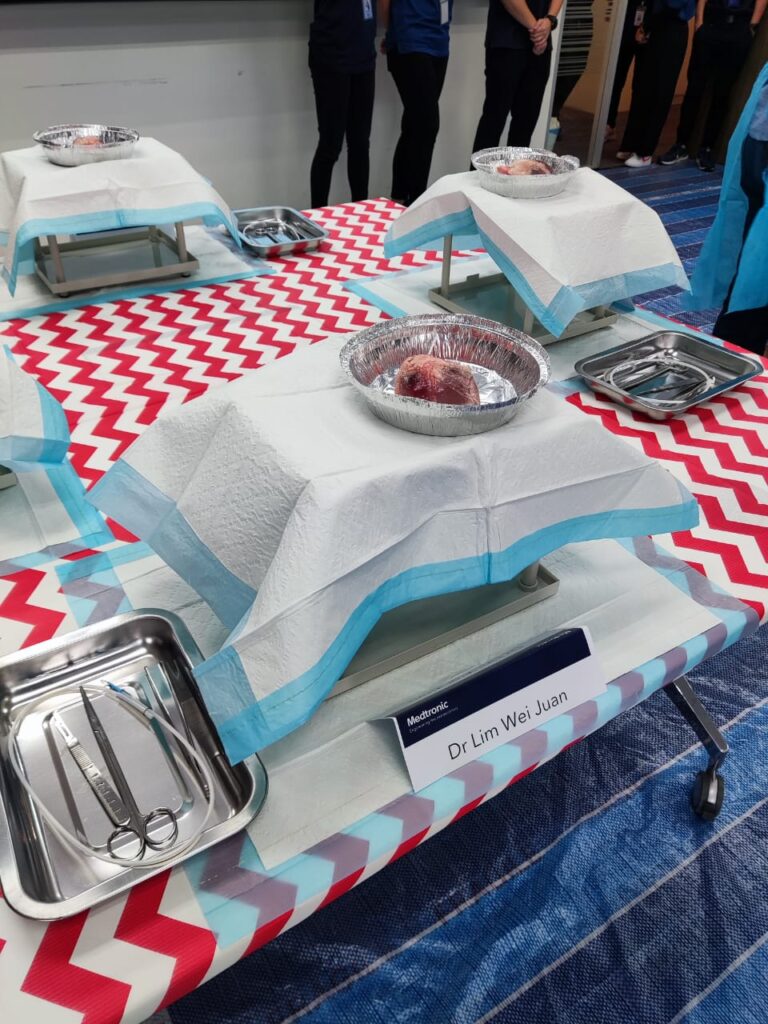
It was a 2 days workshop, where we have the chance to listen to lectures and hands-on dissecting and suturing pacemaker.

We also got the chance to “play” with a goat’s heart

Pacemakers are electronic devices that are implanted in the body to regulate the heartbeat. There are several types of pacemakers, including:

  1. Single-Chamber Pacemakers: These pacemakers have one lead (wire) that is implanted in the right atrium or right ventricle of the heart.
  2. Dual-Chamber Pacemakers: These pacemakers have two leads, one that is implanted in the right atrium and another in the right ventricle of the heart. This allows the pacemaker to coordinate the contractions of both chambers of the heart.
  3. Biventricular Pacemakers: Also known as cardiac resynchronization therapy (CRT) pacemakers, these devices have three leads that are implanted in the right atrium, right ventricle, and left ventricle of the heart. They are used to treat heart failure and improve the coordination of the heart’s contractions.
  4. Leadless Pacemakers: These pacemakers are smaller than traditional pacemakers and do not require leads. They are implanted directly into the heart and are used for patients who need a single-chamber pacemaker.
  5. MRI-Compatible Pacemakers: These pacemakers are designed to be safe for use during magnetic resonance imaging (MRI) scans, which are not recommended for patients with traditional pacemakers due to potential interference.
  6. Implantable Cardioverter-Defibrillator (ICD) Pacemakers: These pacemakers are used to treat life-threatening arrhythmias and can deliver a shock to the heart to restore a normal heartbeat. They have one or more leads that are implanted in the heart and are often combined with a pacemaker function.