
Dr Lim Wei Juan Review
Looking for review for Dr Lim Wei Juan, Consultant Cardiologist?
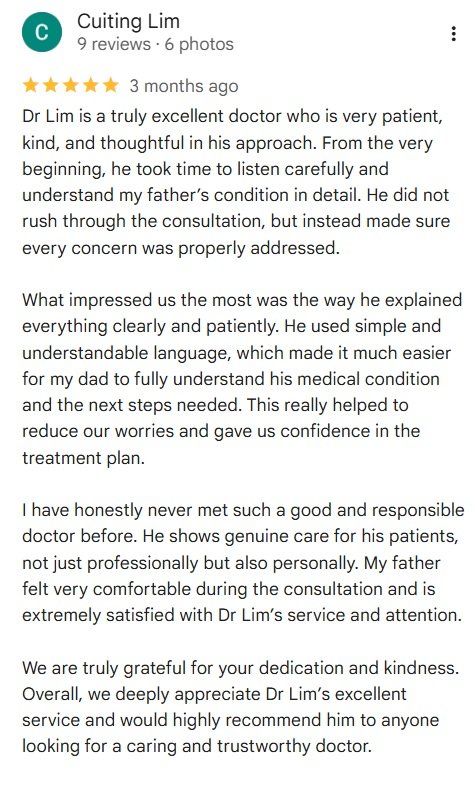
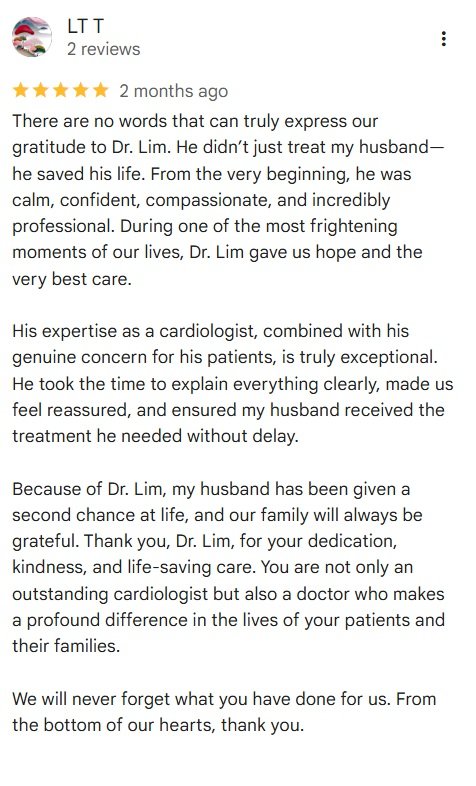
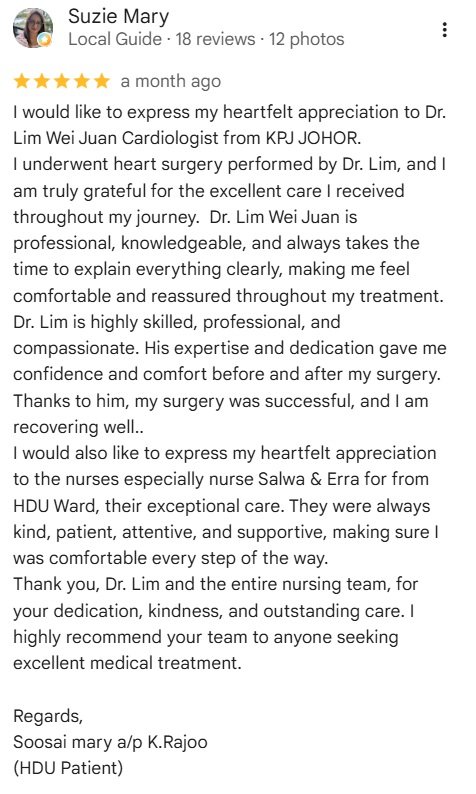
You came to the correct page! Here are a few snapshots of Google Review

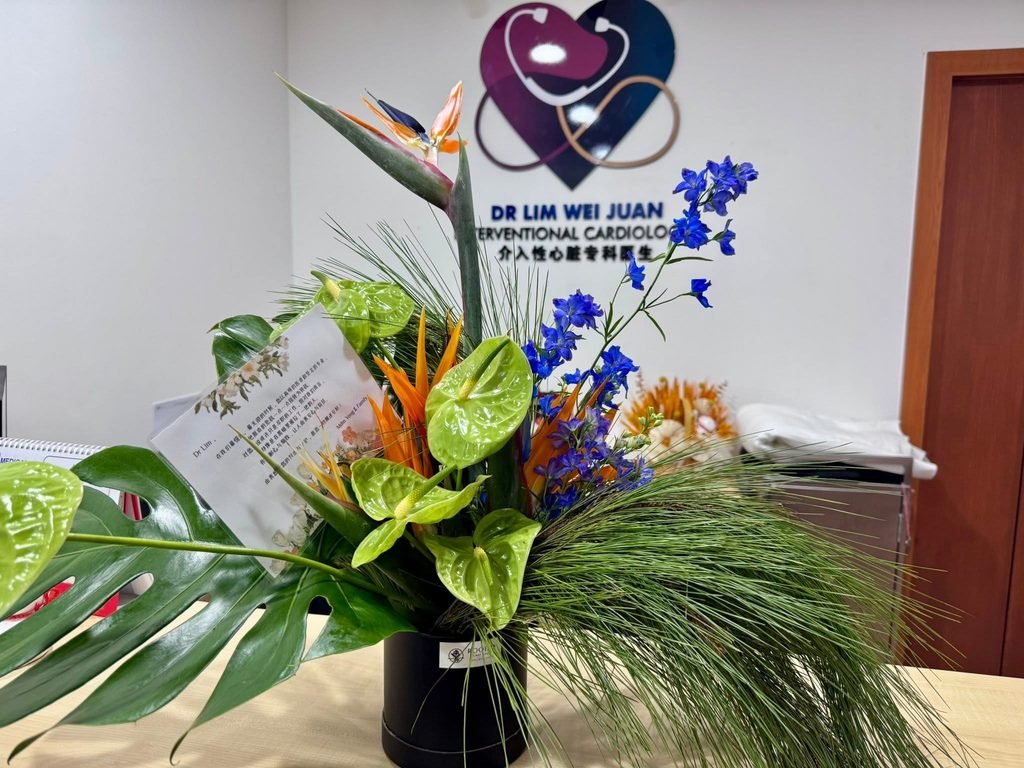
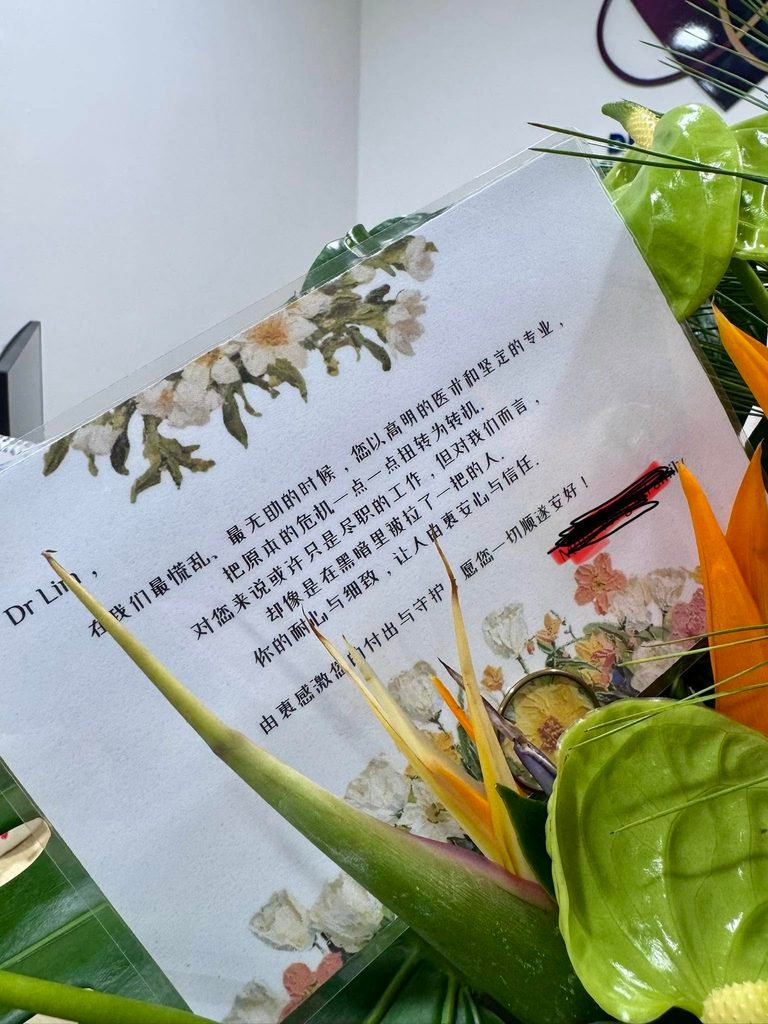
One of my ICU patient who came for primary PCI midnight
016-8008765
KPJ Johor Specialist Hospital (JSH)
Dr Lim Wei Juan Review
Looking for review for Dr Lim Wei Juan, Consultant Cardiologist?
You came to the correct page! Here are a few snapshots of Google Review
One of my ICU patient who came for primary PCI midnight
Coronary complex angioplasty has transformed the treatment of coronary artery disease. For many patients, a narrowed coronary artery can be treated safely with a balloon and coronary stent.
However, not every coronary blockage is straightforward.
Some patients have severely narrowed arteries with extensive calcium deposits. These are known as heavily calcified coronary lesions, and they can make angioplasty significantly more challenging.
In these situations, specialised techniques such as complex coronary angioplasty, rotational atherectomy (rotablation) and intravascular lithotripsy (IVL) may be used to prepare the artery before stent implantation.
Complex coronary angioplasty, also known as complex PCI (percutaneous coronary intervention), refers to angioplasty procedures that are technically more challenging than routine coronary stenting.
Complex PCI may be required when a patient has:
These procedures often require advanced equipment, specialised techniques and careful planning.
The goal is not simply to open the artery, but to create the best possible environment for the coronary stent to expand fully and remain effective over the long term.
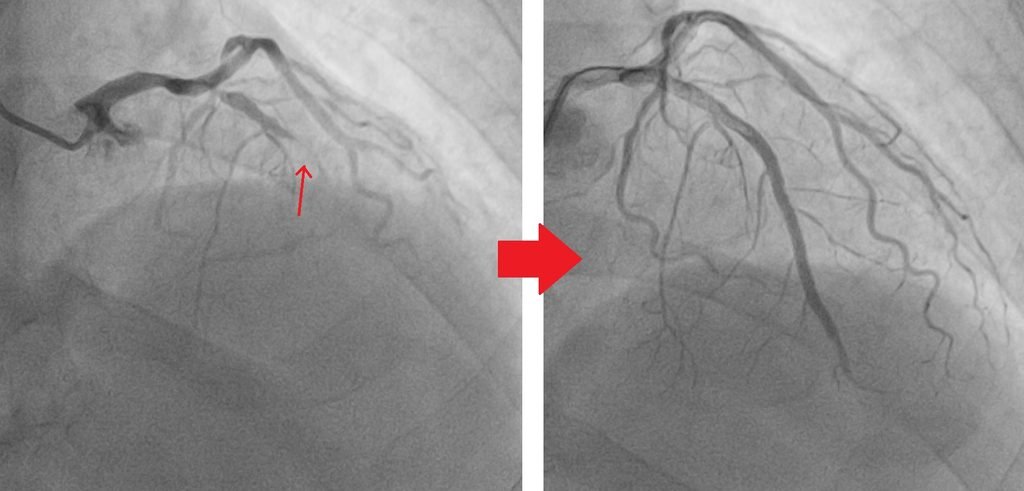
CTO mid LAD, crossed with Fielder-XTA then 2 stents at LAD
Calcium can build up inside the walls of coronary arteries over many years.
Mild calcium may not cause major technical difficulties. However, severe calcification can make the artery extremely hard.
A conventional balloon may have difficulty crossing or expanding the lesion.
More importantly, even if a balloon and stent can be delivered, a severely calcified artery may prevent the stent from expanding properly.
A coronary stent is designed to act as a scaffold that keeps the artery open.
If the stent does not expand adequately, there may be a higher risk of complications, including:
Therefore, in heavily calcified lesions, calcium modification before stent implantation is often a crucial part of successful PCI.
Rotational atherectomy, commonly called rotablation, is an advanced technique used to modify heavily calcified coronary plaques.
During rotablation, a small diamond-coated burr is carefully advanced through the calcified coronary lesion.
The burr rotates at very high speed and modifies the hard calcium, allowing the lesion to become more compliant.
The objective is not usually to remove a large amount of plaque.
Instead, rotablation helps modify the calcium and facilitate balloon expansion and subsequent stent delivery.
Rotablation can be particularly useful when:
Rotablation requires significant operator experience because the procedure involves specialised equipment and careful control of the burr, guidewire and coronary anatomy.
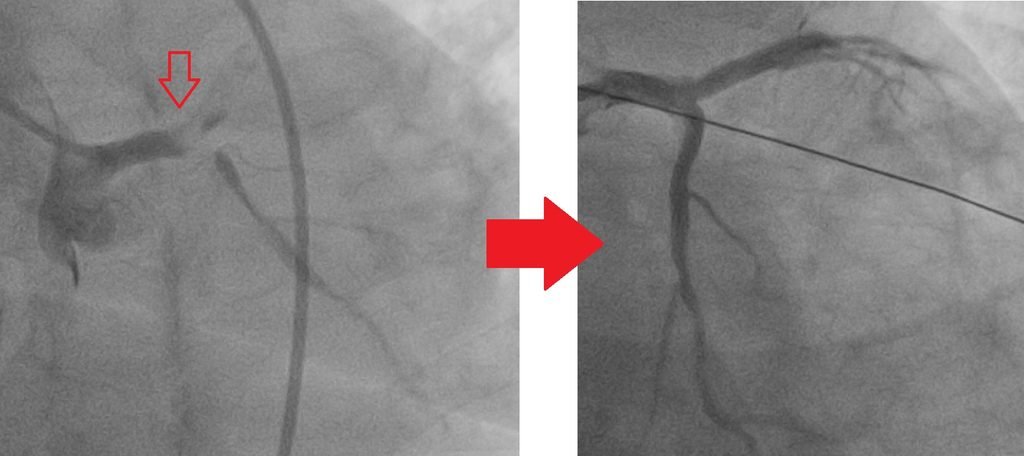
CTO LAD with Subtotal LCx, crossed with Conquest Pro 12, T stenting LM/LAD/LCx in high risk EF 25% with IABP
Another important technology for treating heavily calcified coronary arteries is intravascular lithotripsy (IVL).
IVL uses a specialised balloon catheter that delivers controlled acoustic pressure waves inside the coronary artery.
These pressure waves can create fractures within the calcium.
Once the calcium is modified, the artery becomes more capable of expanding with balloon inflation.
The final objective is to allow the coronary stent to achieve better expansion and apposition.
Both techniques are designed to modify calcium, but they work differently.
| Feature | Rotablation | IVL |
|---|---|---|
| Main mechanism | High-speed rotating diamond-coated burr | Acoustic pressure waves |
| Primary purpose | Modify severe calcium | Fracture/modulate calcium |
| Balloon required | No | Yes |
| Useful for undilatable lesions | Yes | Yes, if balloon can cross |
| Useful when lesion cannot be crossed | Often useful | May not be possible if IVL balloon cannot cross |
| Main strength | Excellent for severe, difficult calcium and balloon-uncrossable lesions | Controlled calcium modification with balloon-based therapy |
The choice between rotablation and IVL depends on the location, severity and distribution of calcium, lesion anatomy, balloon crossing and expansion, and the overall complexity of the PCI.
In selected cases, more than one calcium-modification strategy may be required.
Coronary angiography provides important information, but angiography alone may not fully define the extent of calcium.
Advanced intravascular imaging can provide much more detailed information.
IVUS uses ultrasound from inside the coronary artery to assess:
OCT uses near-infrared light to provide high-resolution images of the coronary artery.
It can help assess the characteristics and distribution of calcium and evaluate the final stent result.
In complex PCI, intravascular imaging can therefore help with planning, calcium modification and optimisation of stent implantation.
Every case is different, but a complex PCI involving severe calcification may follow several important steps.
The coronary angiogram is reviewed to determine the severity and complexity of the blockage.
Where appropriate, IVUS or OCT may be used to understand the vessel and calcium more accurately.
A specialised coronary guidewire is carefully advanced across the narrowed segment.
In complex lesions, this can sometimes be one of the most technically challenging parts of the procedure.
Depending on the anatomy, the cardiologist may use:
Once the calcium has been modified, balloon angioplasty is performed to prepare the artery for stent implantation.
A drug-eluting stent is positioned across the diseased segment and expanded.
The final result is carefully assessed.
IVUS or OCT may be used to confirm that the stent has expanded adequately and is properly positioned against the artery wall.
This final step is particularly important in complex PCI.
There is no single technique that is best for every patient.
The choice depends on the specific coronary anatomy.
For example, rotablation may be particularly useful when the lesion is extremely hard or when a balloon cannot cross the blockage.
IVL can be particularly attractive when the balloon can cross the lesion but the calcium prevents adequate expansion.
In some complex cases, techniques may be combined.
The important principle is:
The treatment should be tailored to the anatomy rather than choosing one technology for every patient.
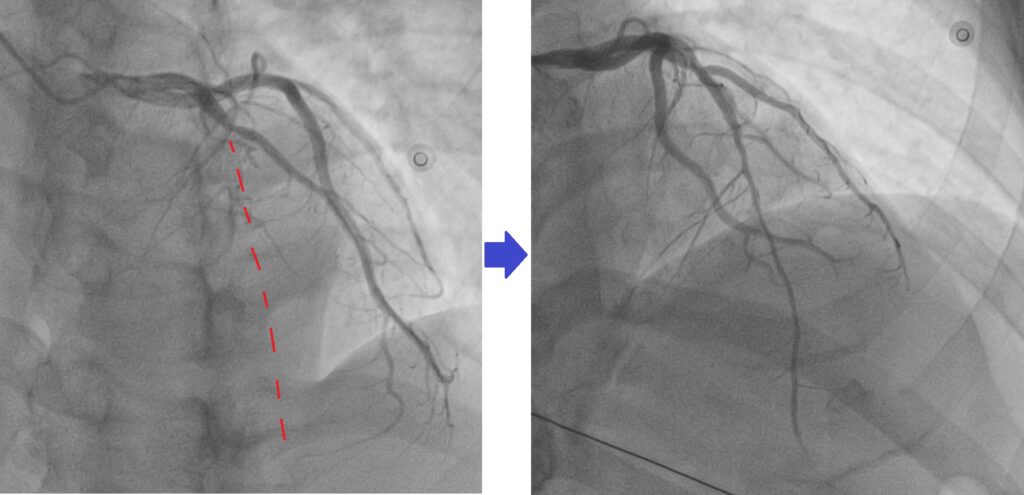
Modern complex PCI techniques have significantly expanded the range of coronary lesions that can be treated percutaneously.
However, complex angioplasty is still more technically demanding than routine PCI.
Potential complications include:
The risk depends on the patient’s overall condition and the complexity of the coronary anatomy.
For this reason, complex PCI should be performed by an experienced interventional cardiology team with appropriate equipment and support.
In selected patients, yes.
The availability of advanced PCI techniques means that some patients with complex coronary disease can be treated using minimally invasive catheter-based procedures.
However, PCI and coronary artery bypass surgery (CABG) are not competing treatments in every situation.
For patients with extensive multivessel disease, left main disease, diabetes or other high-risk anatomical features, CABG may provide better long-term outcomes in selected circumstances.
The decision should therefore be individualised after reviewing the patient’s symptoms, coronary anatomy, heart function, medical conditions and surgical risk.
Complex coronary angioplasty requires more than simply having advanced equipment.
Successful treatment depends on:
Rotablation and IVL are powerful technologies, but they are tools within a broader complex PCI strategy.
The ultimate goal is always the same: to restore blood flow safely while achieving an optimal and durable stent result.
Heavily calcified coronary arteries can make angioplasty significantly more challenging.
Fortunately, advances in interventional cardiology have provided several techniques to overcome these difficult lesions.
Rotablation uses a high-speed diamond-coated burr to modify severe calcium, while intravascular lithotripsy (IVL) uses acoustic pressure waves to fracture calcium within the artery.
When combined with modern balloons, coronary stents and intravascular imaging such as IVUS and OCT, these technologies can allow experienced interventional cardiologists to treat many patients with complex coronary artery disease.
If you have been told that your coronary arteries are “heavily calcified,” “too hard for a balloon,” or “difficult to stent,” it may be worthwhile to discuss whether advanced calcium-modification techniques such as rotablation or IVL are appropriate for your particular anatomy.
Complex coronary disease requires an individualised treatment strategy. The right technique depends on the patient’s coronary anatomy, clinical condition and procedural risk.
Do contact Dr Lim Wei Juan Consultant Cardiologist at KPJ Johor Specialist Hospital
Dr Lim Wei Juan highlights that heart health matters wherever you are.
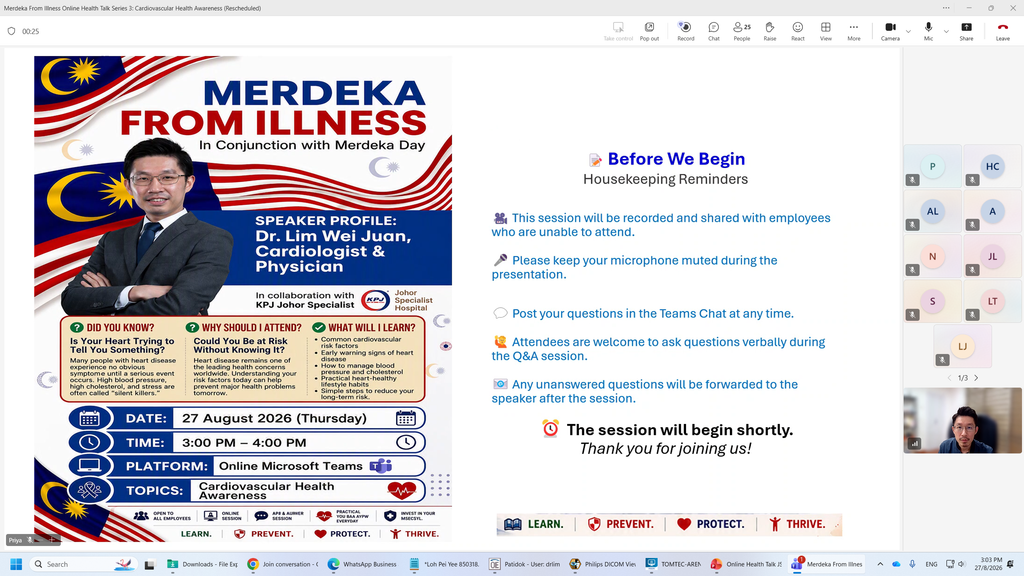
It was a pleasure to be invited by Belinda Properties Group.
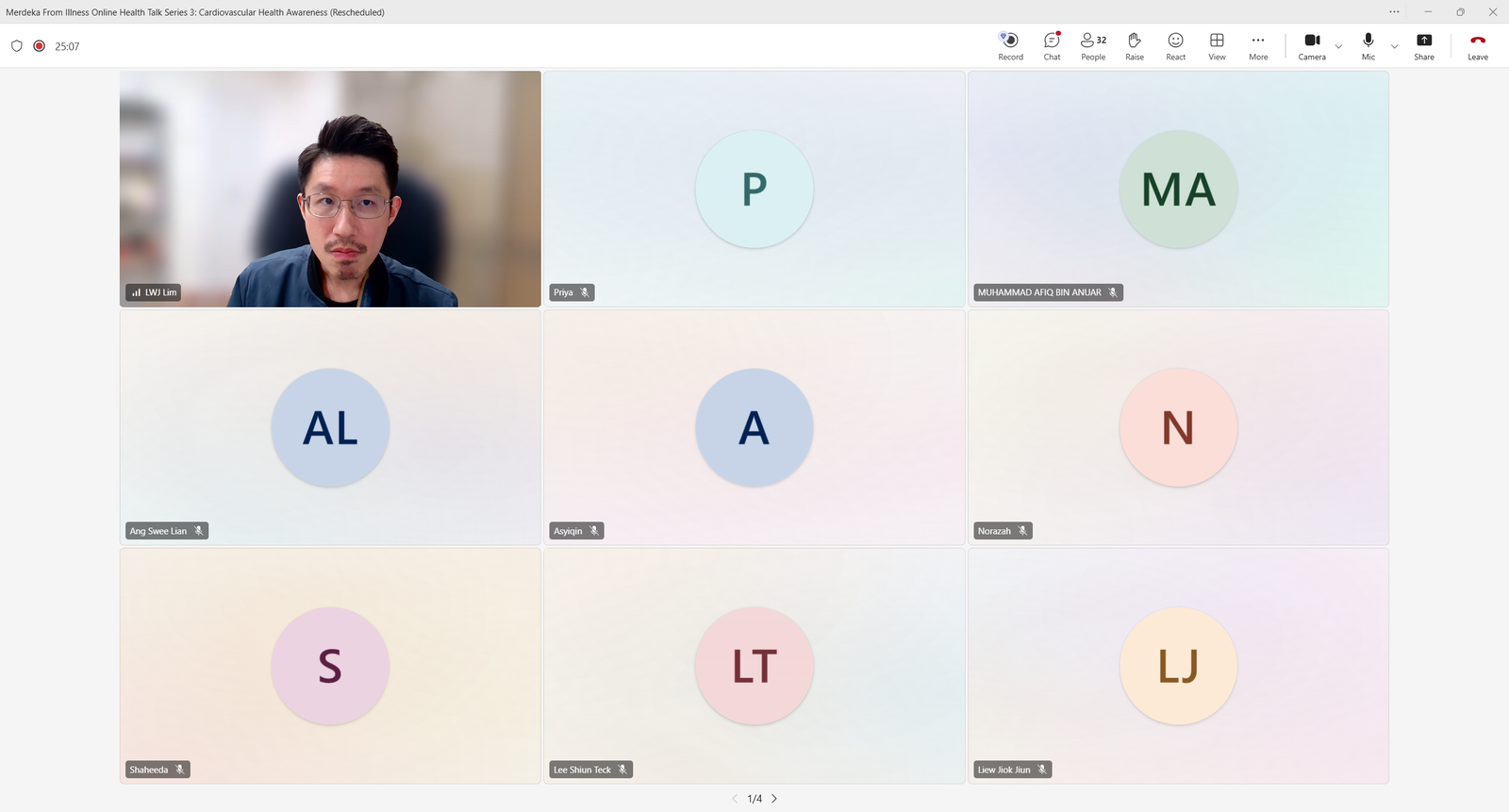
Dr Lim Wei Juan was invited to conduct an online talk on Heart Health for their team.
During the session, we discussed key aspects of cardiovascular health. These include understanding high blood pressure, cholesterol, and diabetes, recognizing the warning signs of a heart attack, and, most importantly, how we can prevent heart disease before it happens.
🫀 A healthy heart is not just about treating disease — it is about prevention.
Simple lifestyle choices can make a difference to long-term heart health. They include maintaining a healthy weight, exercising regularly, and eating a balanced diet. Also, controlling blood pressure and cholesterol, avoiding smoking, and having regular health assessments matter, says Dr Lim Wei Juan.
Thank you to Belinda Properties Group for the kind invitation and for giving me the opportunity to share these important messages with your team.
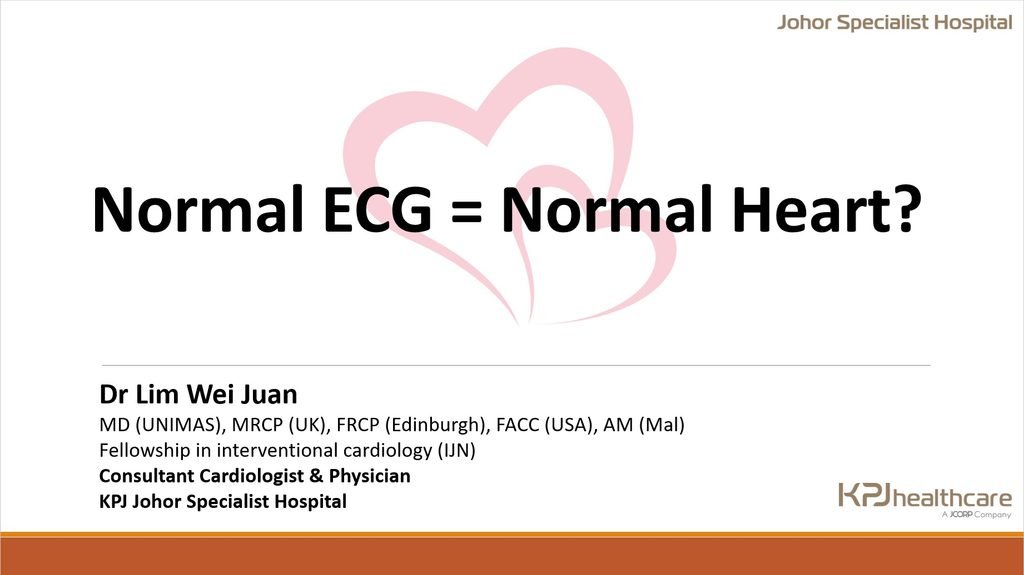
Whether it is in the clinic, hospital, or through an online platform, I believe that health education is an important part of preventing cardiovascular disease.
Stay active. Know your numbers. Take care of your heart. ❤️
Dr Lim Wei Juan
On 15 August 2026, I was honored to be invited as a speaker alongside dr lim wei juan. The event Pharmacy in Motion: Empowering Access, Adherence, Outcomes, was held at Amari Hotel in Johor Bahru.
This healthcare professional meeting focused on cardiovascular, renal and metabolic (CVRM) health.
Moreover, it brought healthcare professionals together to discuss strategies to improve treatment access, medication adherence and patient outcomes.

Dr Lim Wei Juan had the privilege of delivering a session entitled:
“Start Strong, Stay on Target: optimizing LDL-C Reduction with High-Intensity Statins in Pharmacy Practice.”
LDL cholesterol remains an important and modifiable risk factor in cardiovascular disease.
Moreover, effective lipid management involves more than simply starting treatment.
Additionally, patients need appropriate therapy, ongoing monitoring and continued adherence to achieve and maintain their treatment goals.
Pharmacists have an important role in supporting this process. Through medication counseling, adherence support and identification of potential barriers to treatment, pharmacists can help patients remain engaged with their cardiovascular prevention strategies.
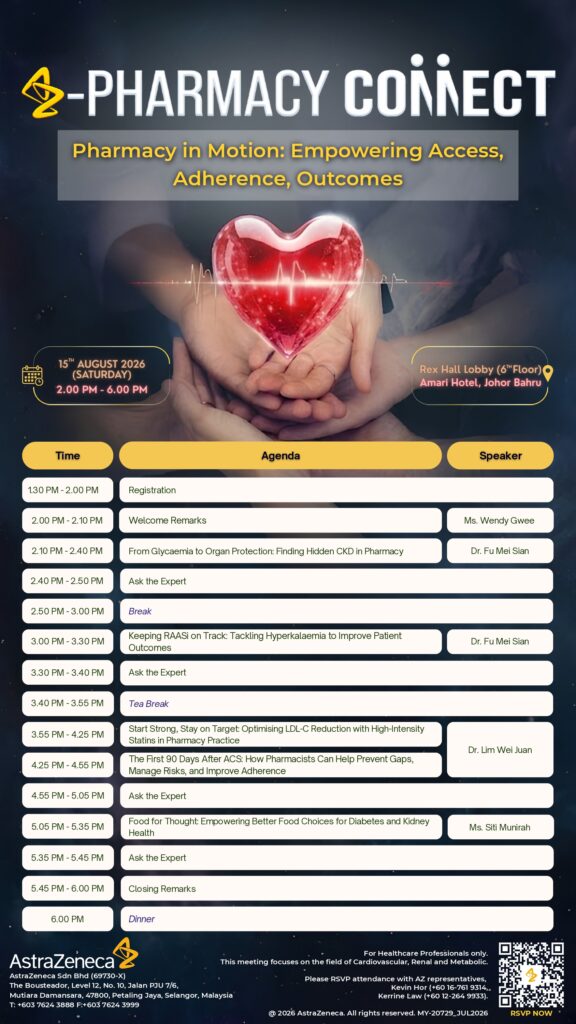
The program covered a broad range of cardiovascular, renal and metabolic topics.
dr lim wei juan highlights that sessions identified hidden chronic kidney disease in pharmacy practice. They covered strategies for maintaining RAAS inhibitor therapy while managing hyperkalaemia. They also discussed optimizing LDL-C reduction with high-intensity statins. These insights inform clinical practice and interprofessional collaboration.
Moreover, the program highlighted the important role pharmacists can play during the first 90 days after acute coronary syndrome. The emphasis included preventing treatment gaps, managing risk factors, and supporting medication adherence.
These discussions reinforce an important principle in modern cardiovascular medicine: better patient outcomes require collaboration across different healthcare professions.
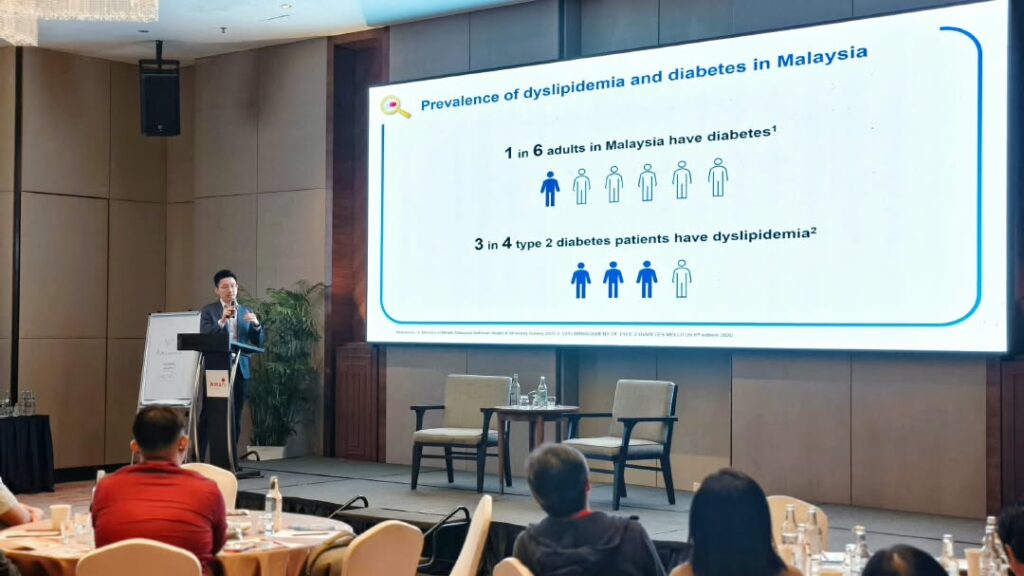
Cardiologists, nephrologists, pharmacists, dietitians and other healthcare professionals each have an important role in helping patients manage their cardiovascular and metabolic risk.
For patients at cardiovascular risk, early and effective risk-factor management can make an important difference to long-term care.
The message from this session was simple:
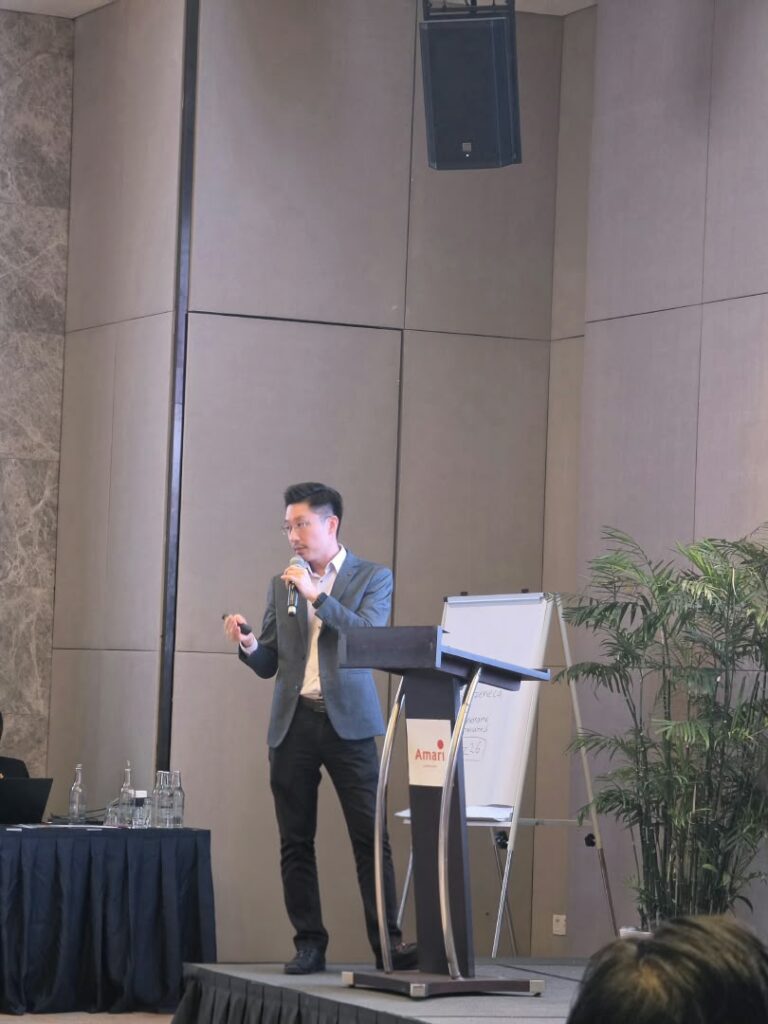
Start strong. Stay on target. Stay adherent.
By working closely together, healthcare professionals can help patients understand their treatment, overcome barriers to adherence and maintain better long-term cardiovascular health.
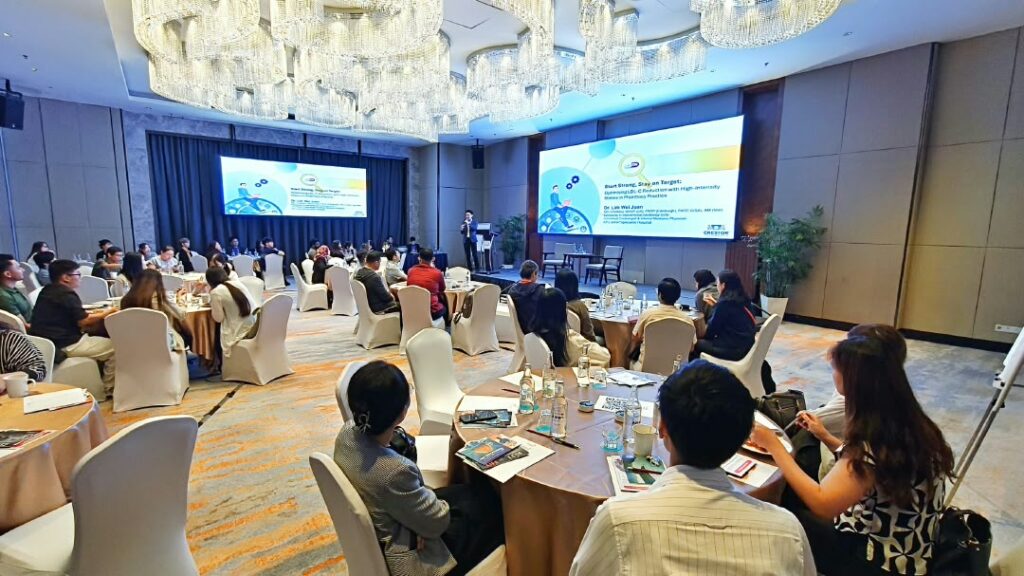
I would like to thank the organizers and fellow speakers for the opportunity to participate in Pharmacy in Motion 2026 and for the valuable exchange of knowledge and ideas among healthcare professionals in Johor Bahru.
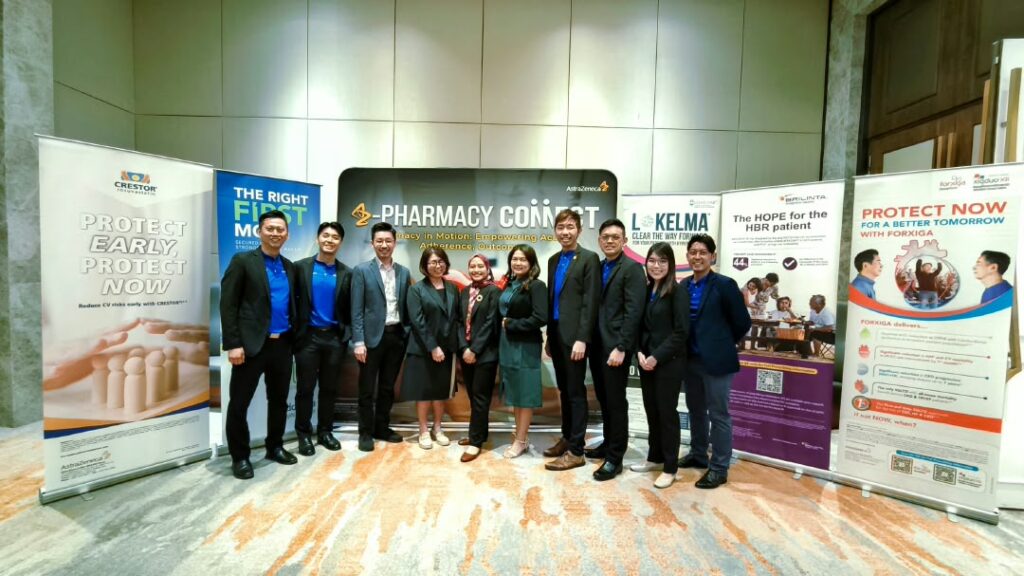
Thank you AZ for the opportunity to talk in this pharmacy connect!
On 1 August 2026, I was honoured to be invited as a speaker at the Diabetes Care Workshop – Southern, held at St Giles Hotel, Johor Bahru. The workshop brought together healthcare professionals, including approximately 50 general practitioners, with the aim of enhancing practical and comprehensive diabetes management.
Organised with the support of the Abbott team and facilitated by the EPD CV Southern Team, the programme featured a multidisciplinary approach involving cardiology, ophthalmology, nephrology, nutrition and endocrinology.
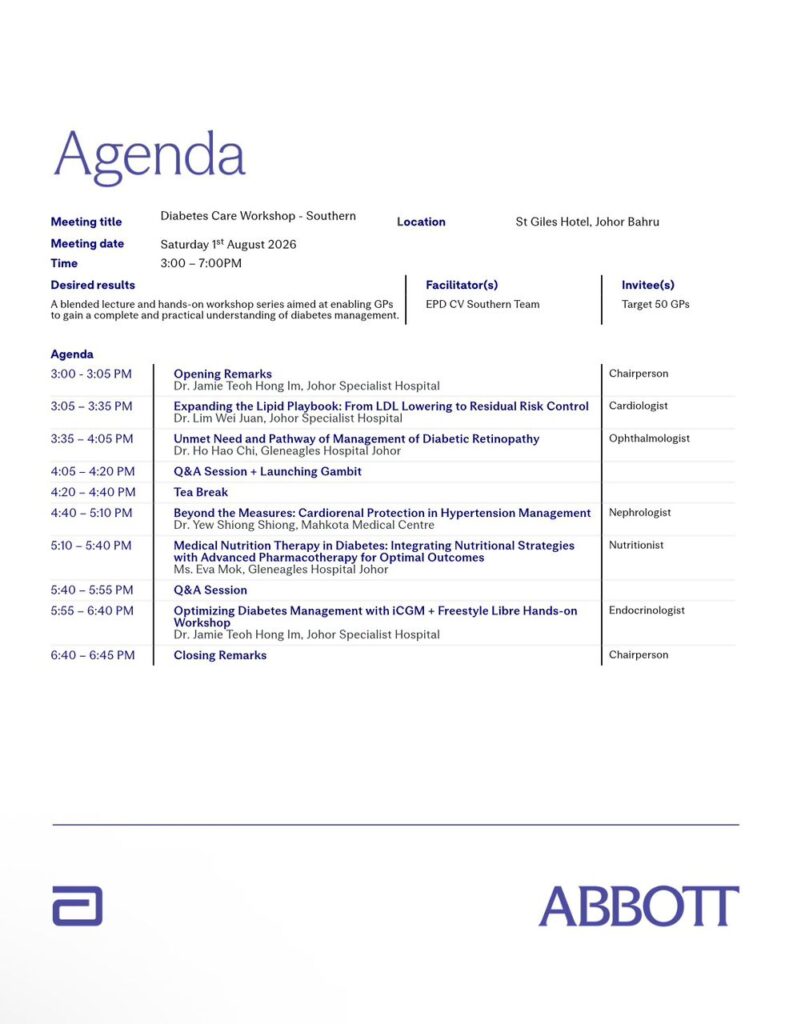
I had the opportunity to deliver a session titled:
“Expanding the Lipid Playbook: From LDL Lowering to Residual Risk Control.”
Diabetes is not simply a disorder of blood glucose. Patients with diabetes frequently carry multiple cardiovascular risk factors, including dyslipidaemia, hypertension, obesity and chronic kidney disease. As a cardiologist, I emphasised the importance of looking beyond LDL cholesterol alone and taking a more comprehensive approach to cardiovascular risk reduction.
While achieving guideline-recommended LDL-C targets remains fundamental, residual cardiovascular risk can persist even after substantial LDL-C reduction. This highlights the importance of addressing the overall cardiometabolic profile of our patients through appropriate lipid management, blood pressure control, lifestyle modification and evidence-based pharmacotherapy.
One of the strengths of the workshop was its multidisciplinary format.
The programme covered several important aspects of diabetes care:
This multidisciplinary approach reflects the reality of modern diabetes care: the best outcomes are achieved when cardiovascular, renal, metabolic, ophthalmic and nutritional risks are managed together.
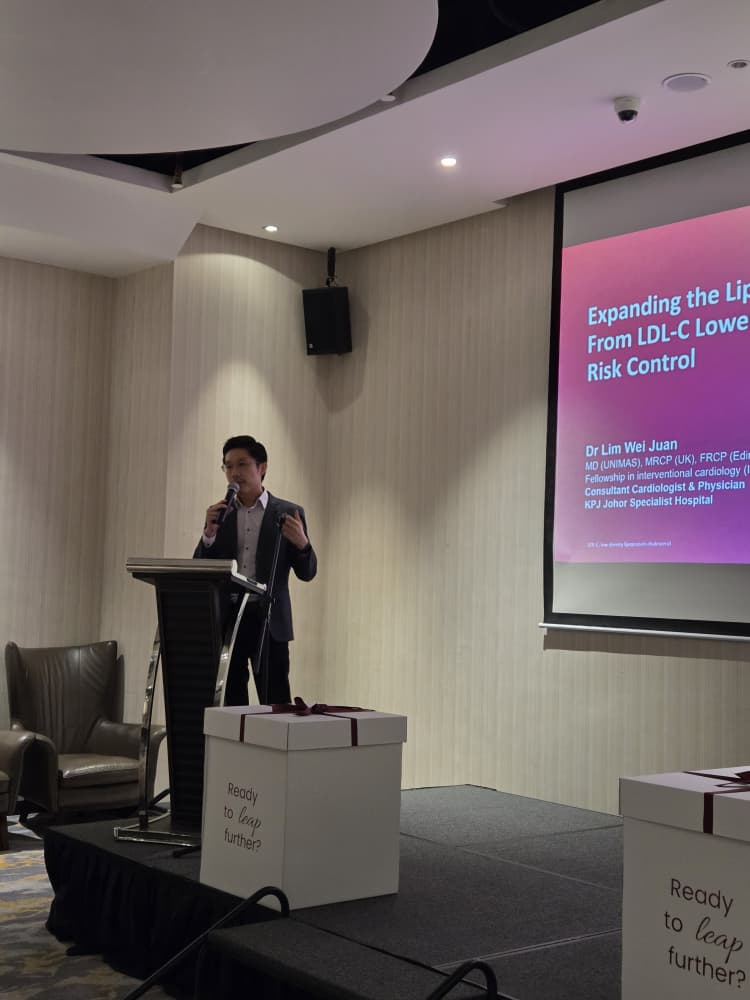
For me, one of the most valuable aspects of the workshop was the opportunity to interact with GPs and discuss how evidence-based recommendations can be translated into everyday clinical practice.
Primary care physicians play a crucial role in identifying patients at high cardiovascular risk early, initiating appropriate preventive strategies and ensuring long-term follow-up.
The discussions and Q&A sessions also highlighted how important it is to individualise treatment according to each patient’s cardiovascular risk, comorbidities, treatment goals and preferences.
Diabetes management has evolved significantly. We are no longer treating “blood sugar” in isolation.
The modern approach is increasingly focused on:
Glucose + Lipids + Blood Pressure + Kidney Protection + Cardiovascular Protection + Lifestyle
Ultimately, the goal is not simply to improve laboratory numbers, but to prevent myocardial infarction, stroke, heart failure, kidney disease and other long-term complications of diabetes.
I would like to thank the organisers, the Abbott team, EPD CV Southern Team, fellow speakers and all the GPs who participated in this meaningful workshop.
It was a pleasure to contribute to a programme focused on improving diabetes care and, importantly, reducing the cardiovascular burden associated with diabetes in our community.
On 8 August 2026, I (Dr Lim Wei Juan) was pleased to participate as a speaker at a multidisciplinary medical symposium held at Opero Hotel, Johor Bahru, bringing together healthcare professionals from several medical specialties.
The symposium provided an excellent platform for doctors to exchange knowledge and discuss issues in modern patient care, with sessions covering diabetes, cardiovascular risk, chronic kidney disease, cardio-renal protection, hypertension, dermatology and men’s health, highlighted by lim wei Juan.
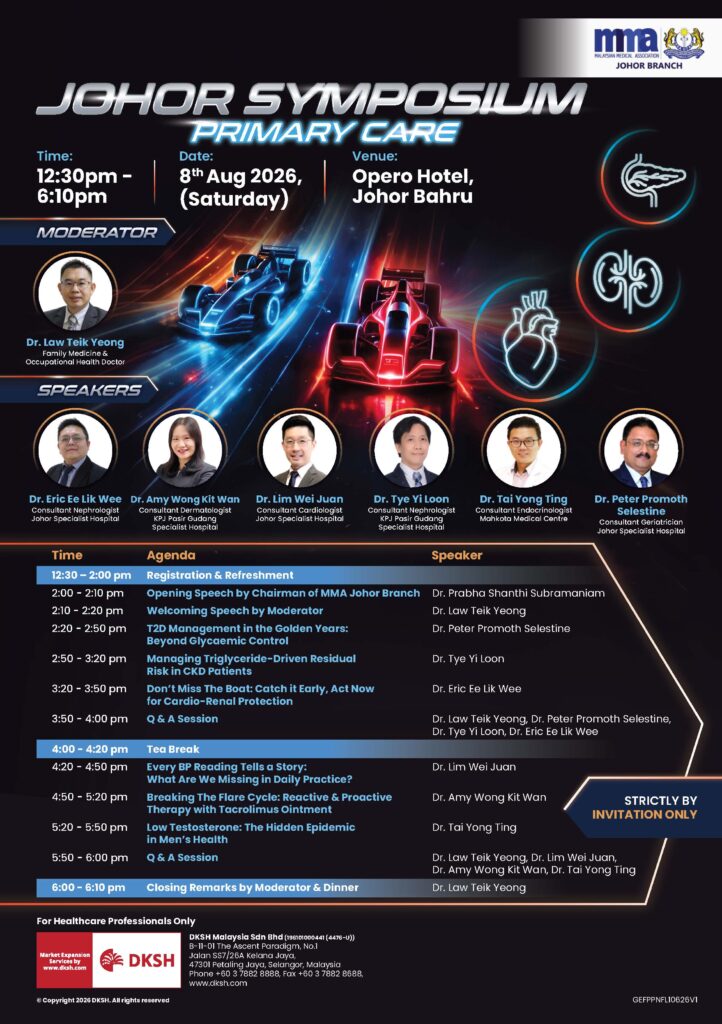
I had the privilege of delivering a session entitled:
“Every BP Reading Tells a Story: What Are We Missing in Daily Practice?”
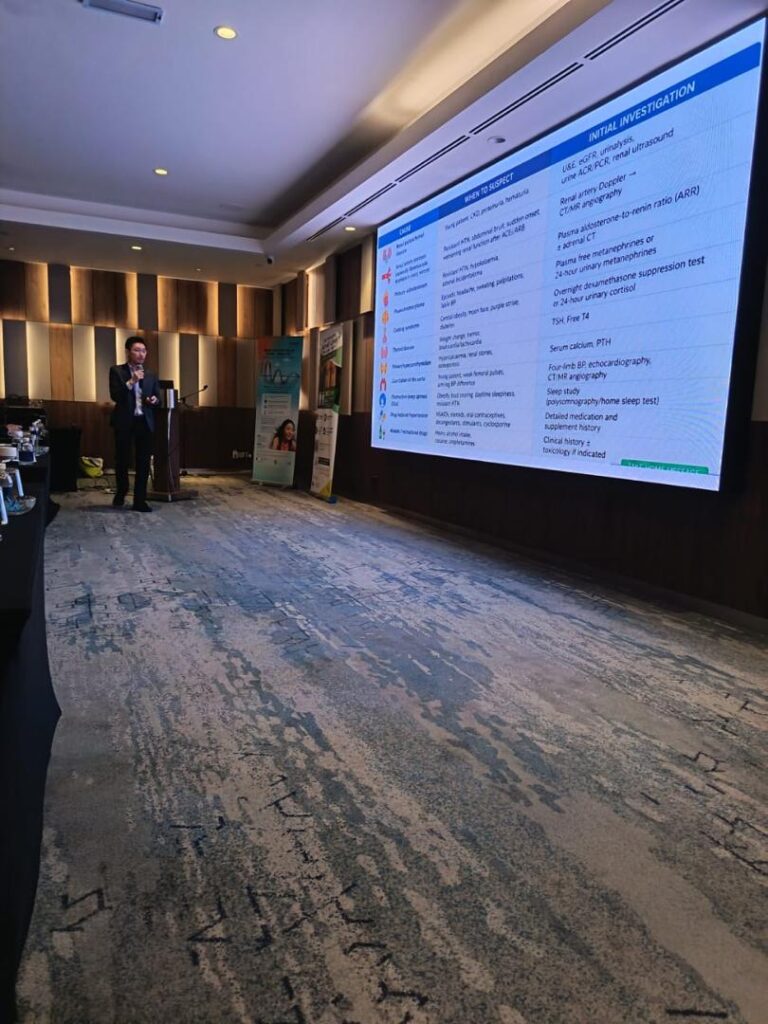
Blood pressure measurement is one of the most frequently performed assessments in clinical practice. However, a single blood pressure reading may not always provide the complete picture of a patient’s cardiovascular risk.
In daily practice, it is important to look beyond an isolated number and consider the broader blood pressure profile. Understanding blood pressure patterns can help clinicians identify patients who may require closer assessment and more appropriate management.
For cardiologists and other healthcare professionals, this is particularly relevant. Hypertension remains a key modifiable risk factor for cardiovascular disease.
A careful approach to blood pressure assessment can contribute to earlier recognition of hypertension and better long-term cardiovascular risk management.
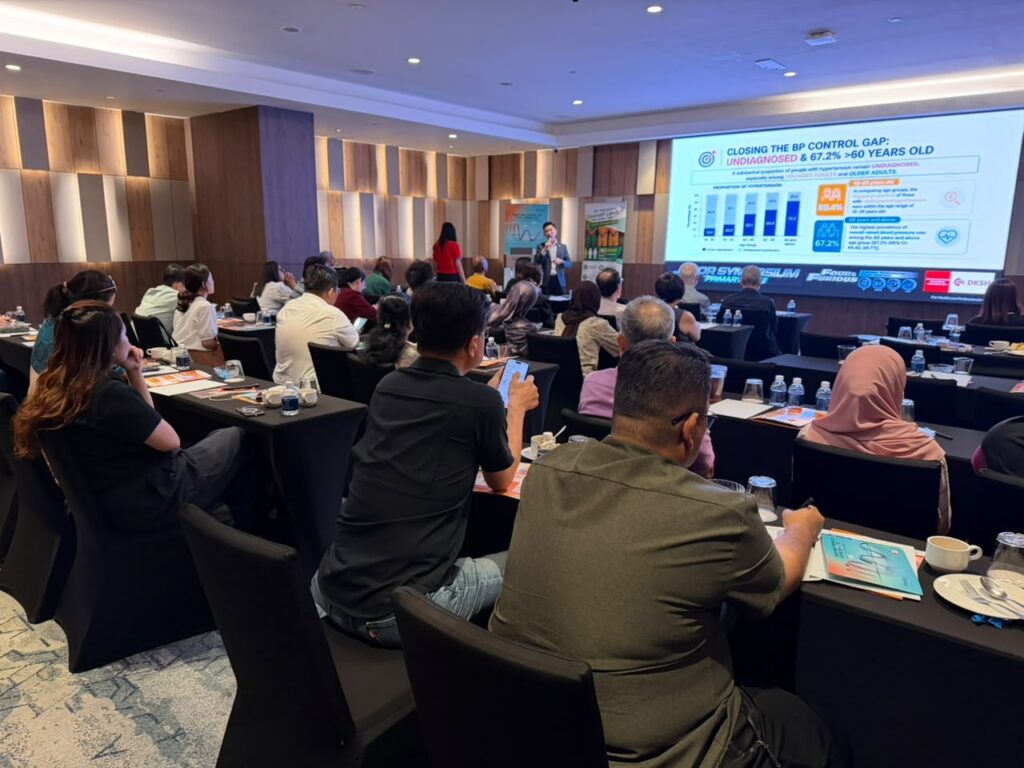
One of the highlights of the symposium was the opportunity to learn from colleagues across different specialties.
The program included discussions on Type 2 diabetes management in older adults, presented by Dr Peter Promoth Selestine, as well as triglyceride-driven residual risk in patients with chronic kidney disease, presented by Dr Tye Yi Loon.
Dr Eric Ee Lik Wee also shared insights on early intervention for cardio-renal protection, highlighting the close relationship between cardiovascular and kidney health.
These topics are highly relevant because patients with cardiovascular, metabolic and renal conditions often have overlapping risk factors. Collaboration between different specialties can therefore play an important role in providing comprehensive patient care.
The later sessions covered dermatological therapy and men’s health, including discussions on reactive and proactive therapy for eczema and low testosterone.
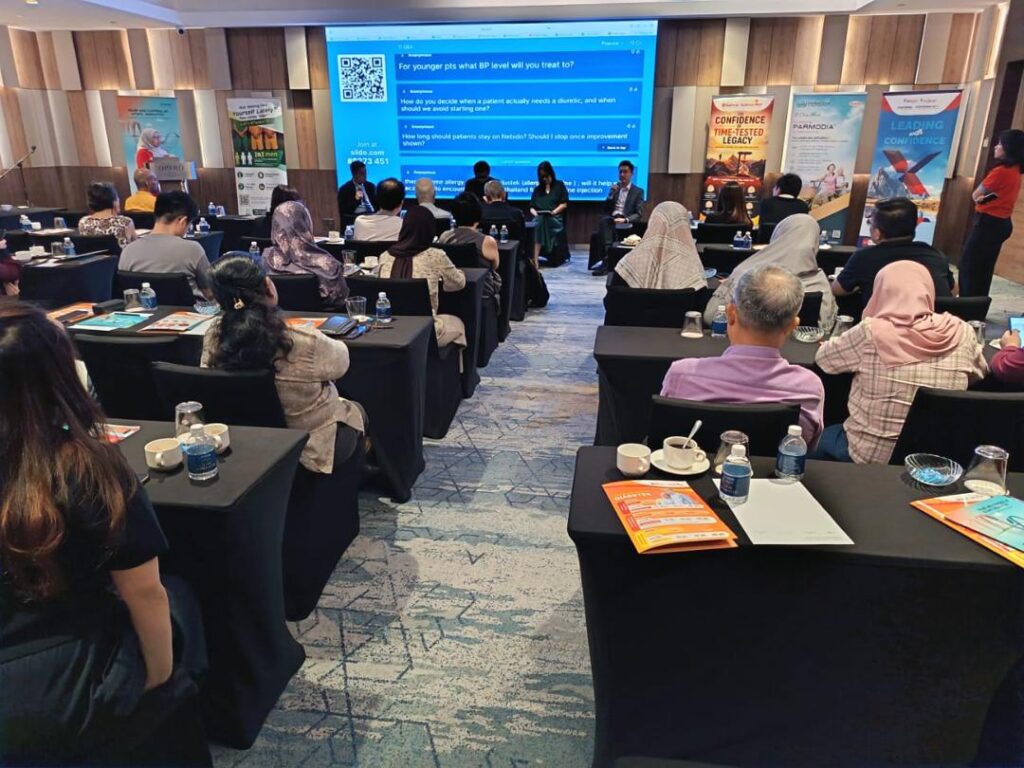
As a Consultant Cardiologist at Johor Specialist Hospital, I believe that continuous medical education is an important part of improving patient care.
Events such as this symposium provide an opportunity not only to share knowledge, but also to discuss practical challenges encountered in everyday clinical practice.
The interactive Q&A sessions also allowed speakers and participants to explore the topics further and exchange perspectives from different areas of medicine.
For me, discussing blood pressure management with colleagues from other specialties was particularly meaningful because hypertension frequently intersects with diabetes, chronic kidney disease and other cardiovascular risk factors.

Blood pressure is more than just a number recorded in the clinic.
When assessing a patient, clinicians may need to consider the overall clinical context, repeated measurements and the possibility that important blood pressure patterns may not be captured by a single office reading.
Recognizing these patterns can help us move towards a more personalized approach to hypertension management and cardiovascular prevention.
Ultimately, the goal is not simply to achieve a better blood pressure reading during a consultation, but to reduce long-term cardiovascular risk and improve patient outcomes.
I would like to thank the organizers, moderator Dr Law Teik Yeong, fellow speakers and all the healthcare professionals who participated in the symposium for making the event a valuable afternoon of learning and discussion. The program brought together specialists including cardiology, nephrology, geriatrics, endocrinology, dermatology and primary care.
It was a privilege to contribute to this educational program and to share practical perspectives on blood pressure assessment, hypertension and cardiovascular health.
Continued collaboration and knowledge sharing among healthcare professionals are essential as we work towards earlier detection, better risk-factor management and improved cardiovascular health for our patients in Johor and beyond.
On 25 July 2026, Dr Lim Wei Juan, Consultant Interventional Cardiologist at KPJ Johor Specialist Hospital, was honoured to be invited as the keynote speaker at the SICM JB Special Sharing Session, where he presented an educational lecture entitled:
The event gathered insurance consultants, financial planners and healthcare professionals to gain a deeper understanding of cardiovascular diseases, modern heart treatments and the medical principles behind Critical Illness (CI) and Early Critical Illness (Early CI) insurance claims.
As cardiovascular disease continues to be one of the leading causes of death in Malaysia, the session focused on bridging the gap between medical science and insurance knowledge.
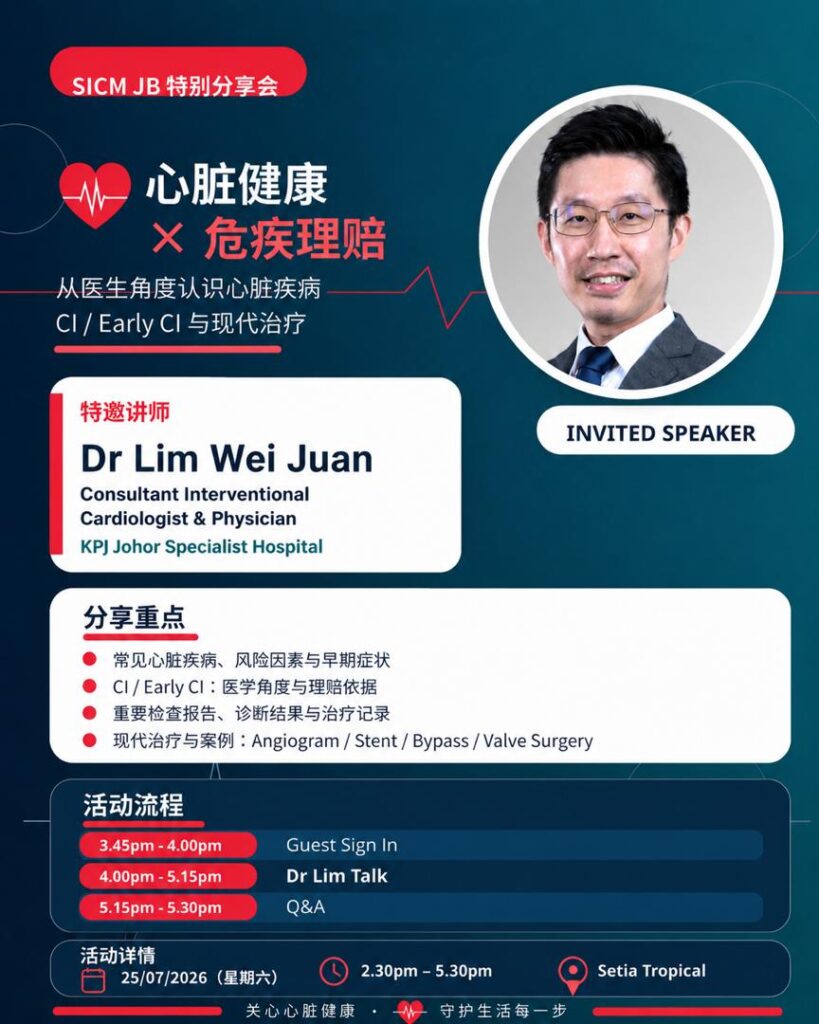
During the lecture, Dr Lim explained that heart disease is much more than simply having blocked arteries.
Participants learned about:
The audience also gained insights into how cardiologists diagnose heart disease using modern investigations including:
Understanding these investigations helps insurance professionals better appreciate how diagnoses are confirmed before Critical Illness claims are assessed.
Dr Lim discussed how treatment has evolved dramatically over the past decade.
Topics included:
Participants learned that many patients today recover much faster following minimally invasive coronary angioplasty compared with traditional open-heart surgery when appropriate.
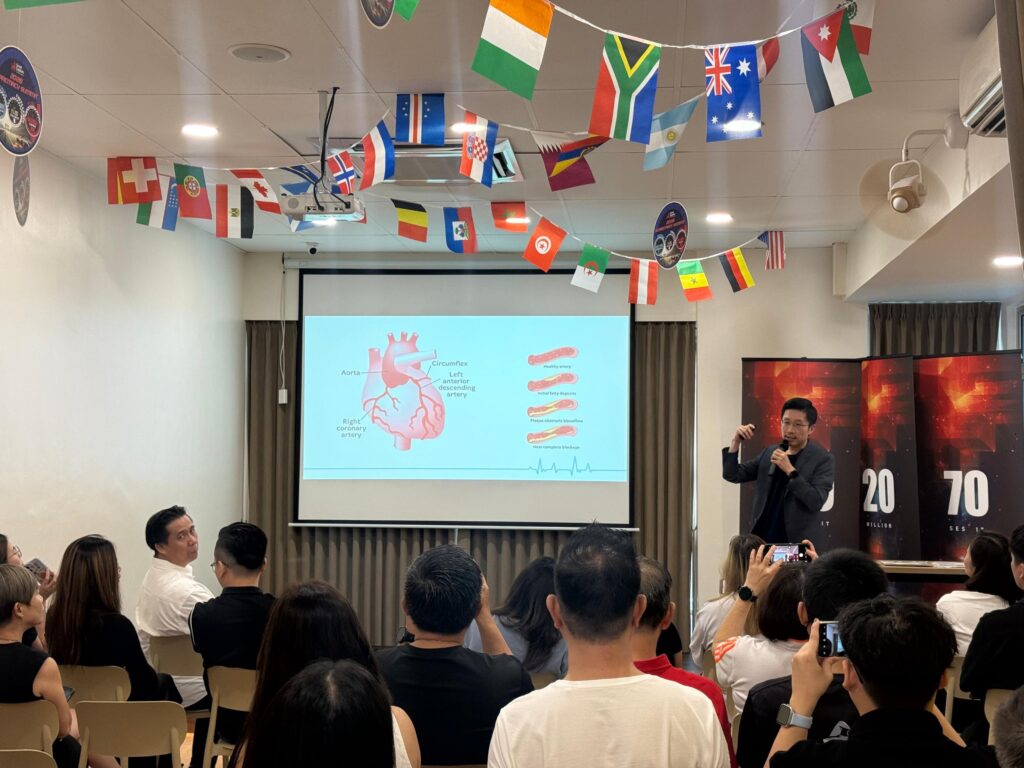
One of the most memorable moments of the afternoon was the hands-on demonstration using actual coronary balloons and modern drug-eluting coronary stents.
Instead of only viewing diagrams on presentation slides, participants were able to experience the devices used every day inside a cardiac catheterisation laboratory.
Dr Lim demonstrated:
Participants had the opportunity to personally examine and hold the devices, making the learning experience highly interactive.
Many attendees commented that this was the first time they truly understood how coronary angioplasty works.
The demonstration generated lively discussion and numerous questions about modern heart interventions.
A major focus of the presentation was explaining how medical evidence influences Critical Illness insurance claims.
Dr Lim discussed:
The session helped participants better understand the importance of evidence-based medicine when evaluating cardiovascular conditions.

Dr Lim reminded participants that many heart attacks are preventable through early identification and management of cardiovascular risk factors.
He encouraged regular health screening, particularly for individuals with:
Early detection allows treatment before irreversible heart damage occurs.
The lecture concluded with an engaging Q&A session, where attendees raised practical questions regarding:
The lively discussion reflected the growing interest in improving heart health awareness among insurance professionals and the wider community.

Dr Lim Wei Juan remains committed to promoting cardiovascular education through public health talks, professional teaching programmes and community outreach.
By combining clinical expertise with practical demonstrations, sessions like the SICM JB Special Sharing Meeting help improve understanding of heart disease while strengthening collaboration between healthcare professionals and the insurance industry.
With cardiovascular disease continuing to affect millions worldwide, increasing awareness remains one of the most effective strategies for reducing preventable heart attacks and improving long-term outcomes.