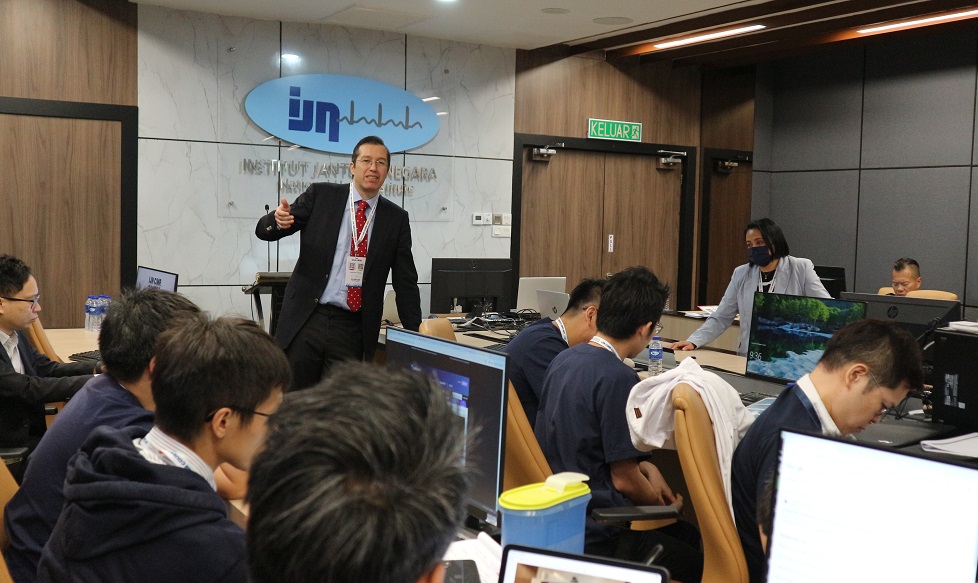
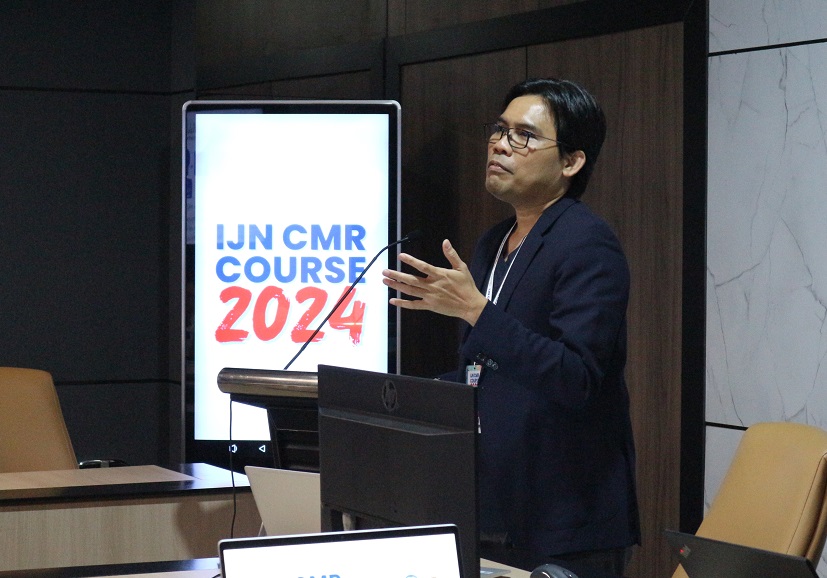
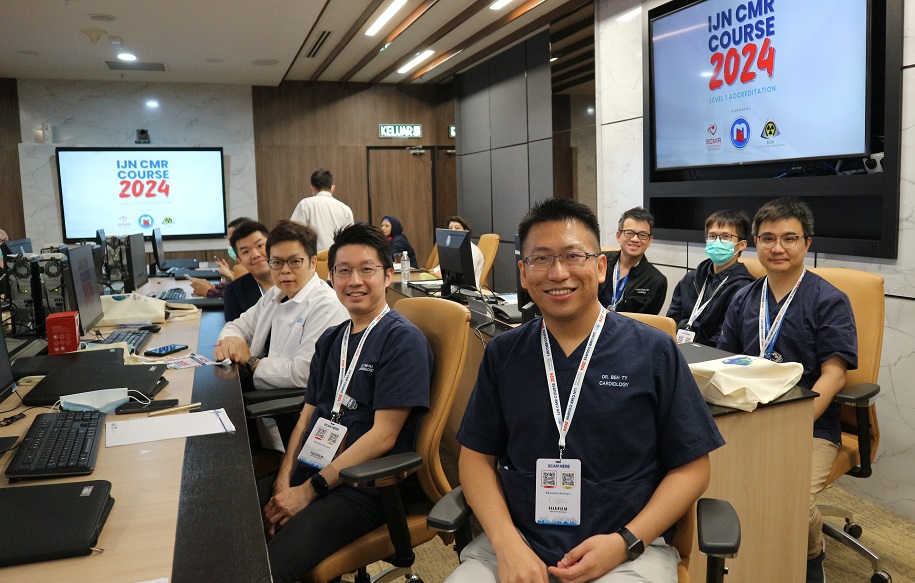
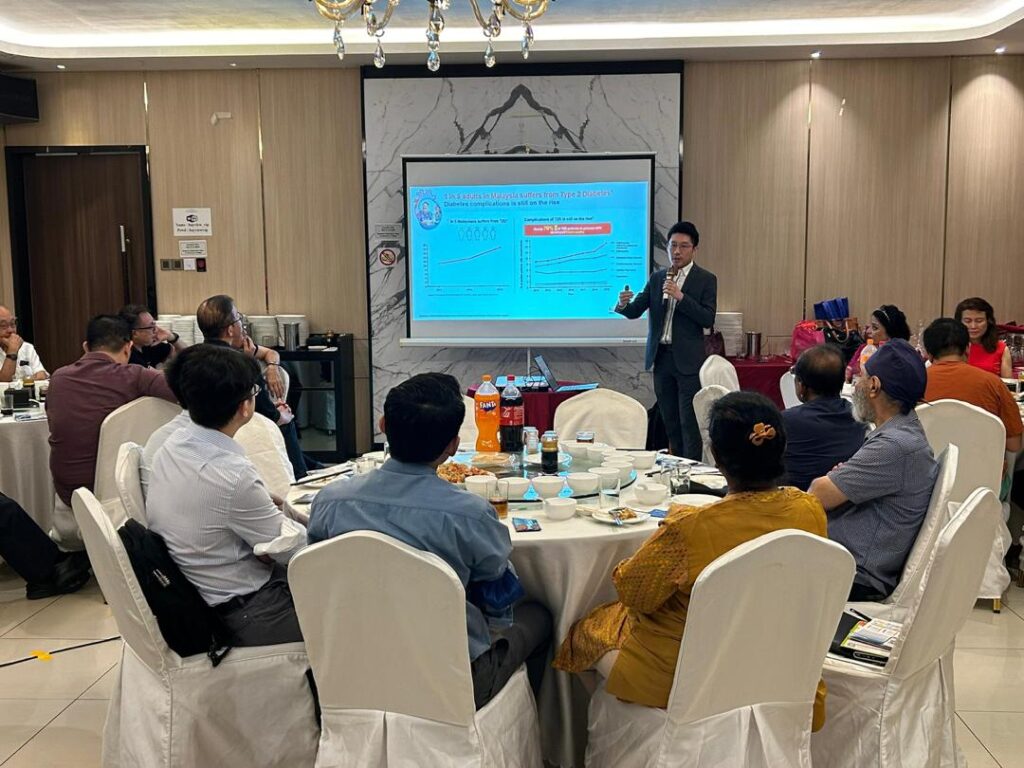
This comprehensive 3 days IJN CMR course offers healthcare professionals the opportunity to enhance their skills and knowledge in cardiovascular magnetic resonance (CMR) imaging.
Thanks to organizing chair, Dr Rafidah Abu Bakar with renowned international speakers Dr Francisco Alpendurada from Royal Brompton Hospital London, Dr Willis Lam from Cairns Hospital Australia!
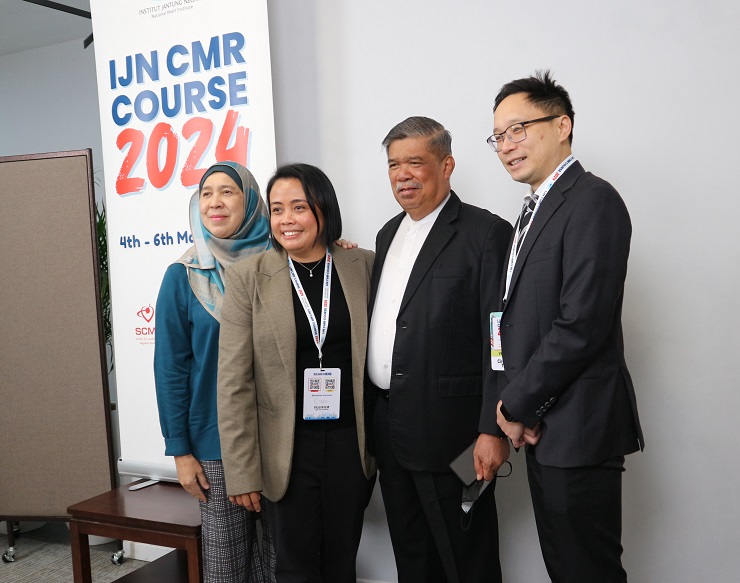
Special guest by Mat Sabu!
Led by experts in the field, the CMR Course at IJN provides participants with hands-on training and practical experience in interpreting CMR images, understanding various cardiac pathologies, and utilizing state-of-the-art imaging techniques.
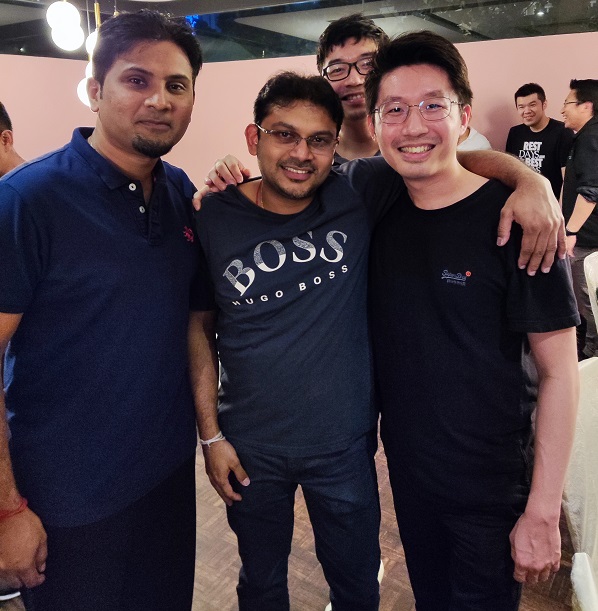
Datuk Dr Akmal, Consultant Cardiologist Gleneagles Hospital KL
Cardiac MRI (Magnetic Resonance Imaging) is a non-invasive imaging technique used to visualize the structure and function of the heart. It provides detailed images of the heart’s chambers, valves, blood vessels, and surrounding tissues, helping healthcare professionals diagnose various cardiovascular conditions.
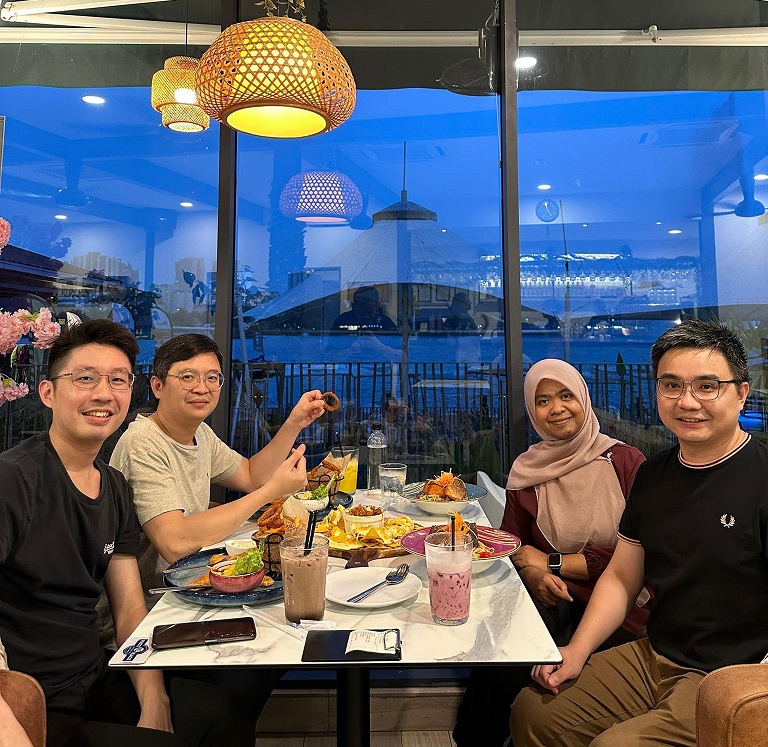
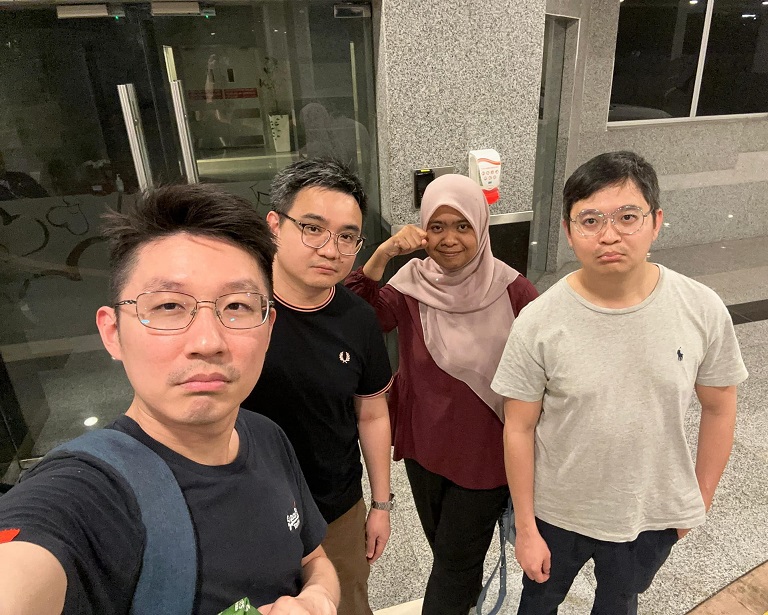
6 of us struggling to even know where is the aorta
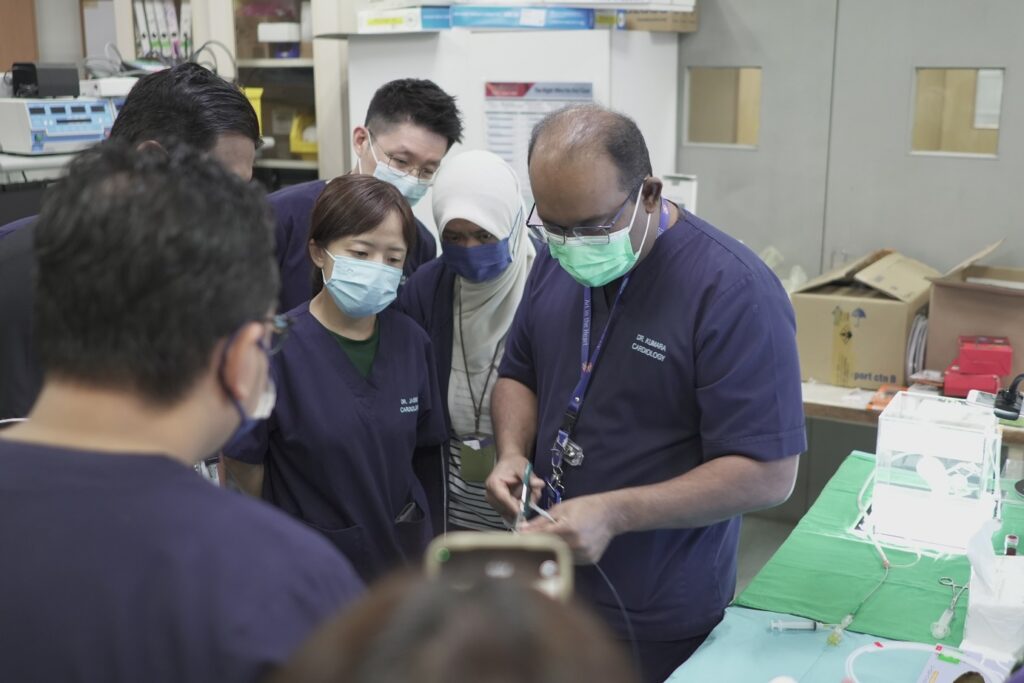
Trying to learn from the expert!!
Well organized/ prepared by these cute secretaries!
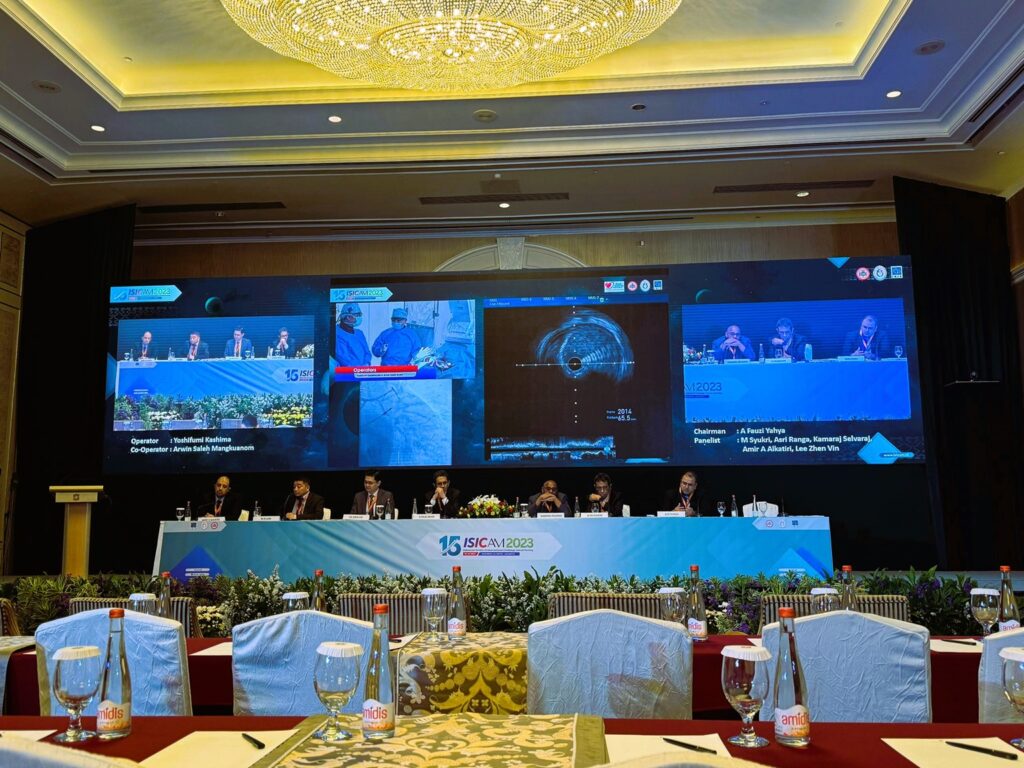
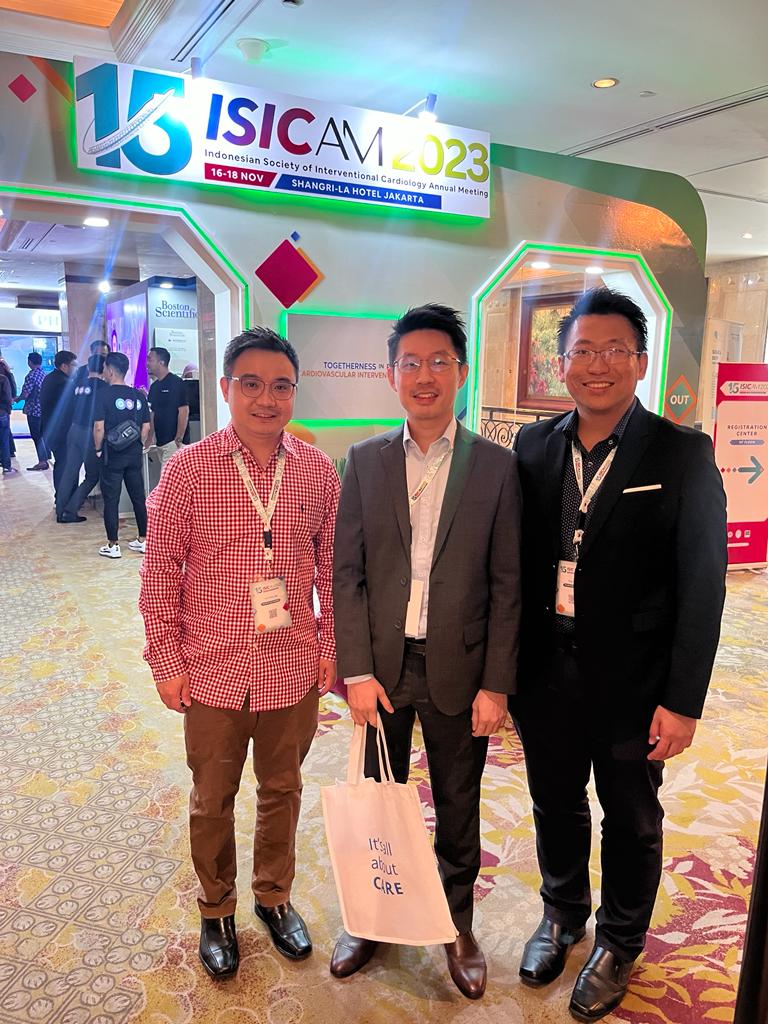
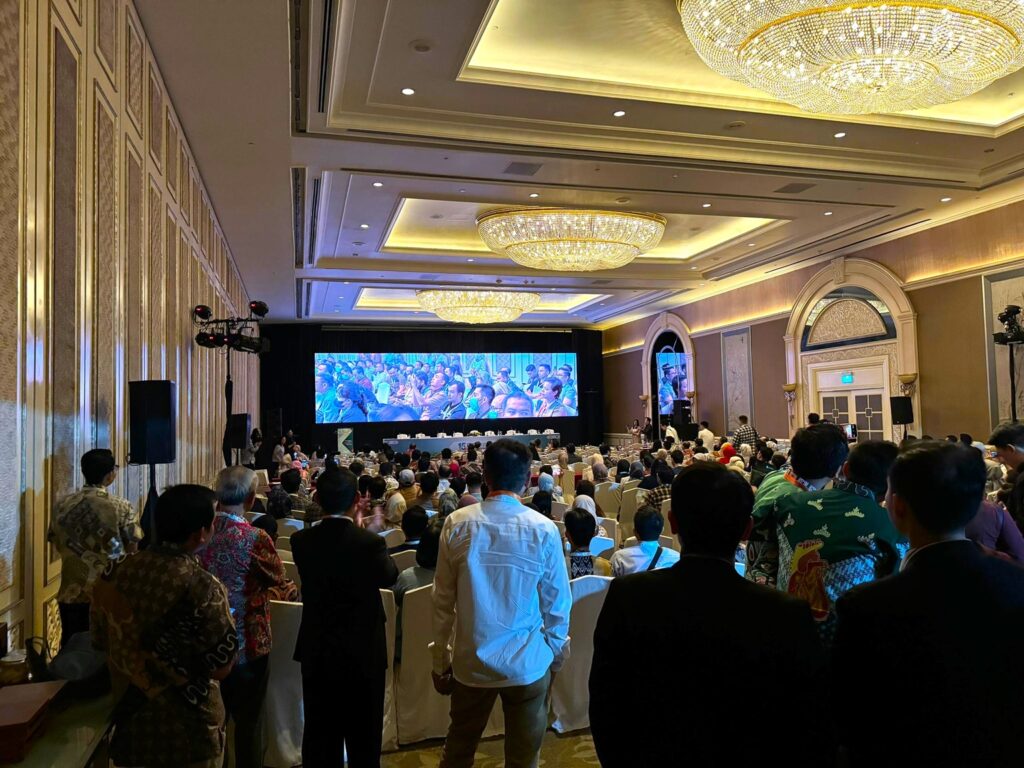
Great conference at ISICAM 2023 at Jakarta Indonesia. 1st time to Jakarta to attend their interventional conference. It was well organized!
Would like to thanks IJN, Datuk Dr Shaiful, Datuk Dr Kumara for the opportunity!
Live case from Harapan Kita Hospital.
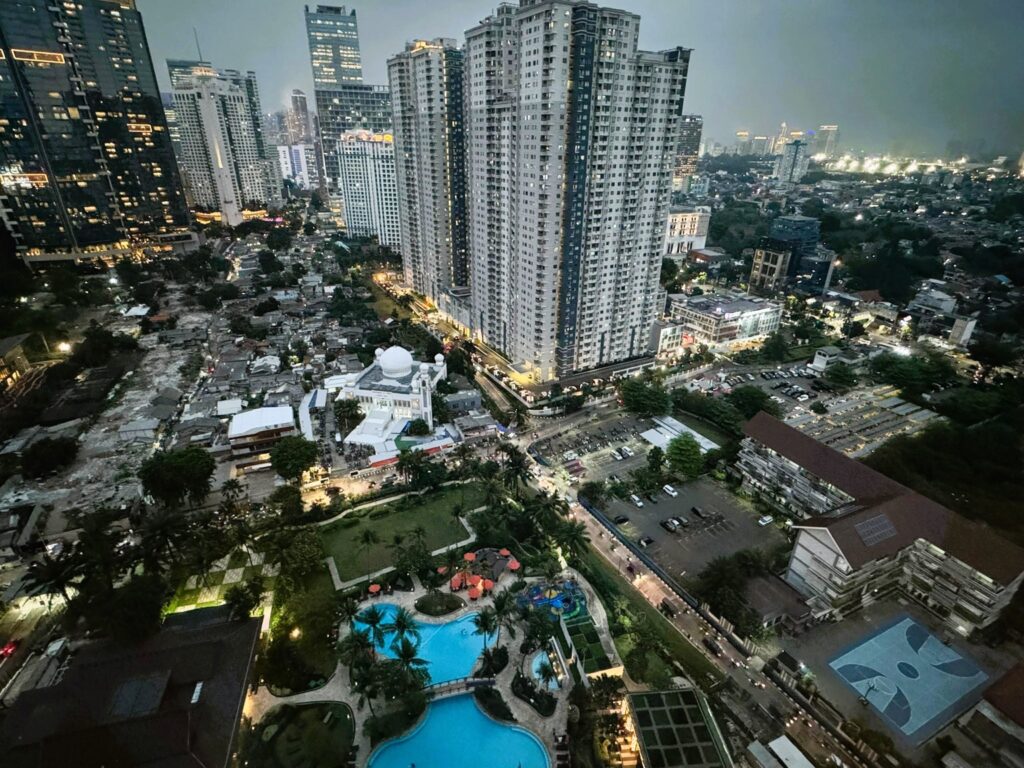
Great view from Shangri-La Hotel Jakarta.
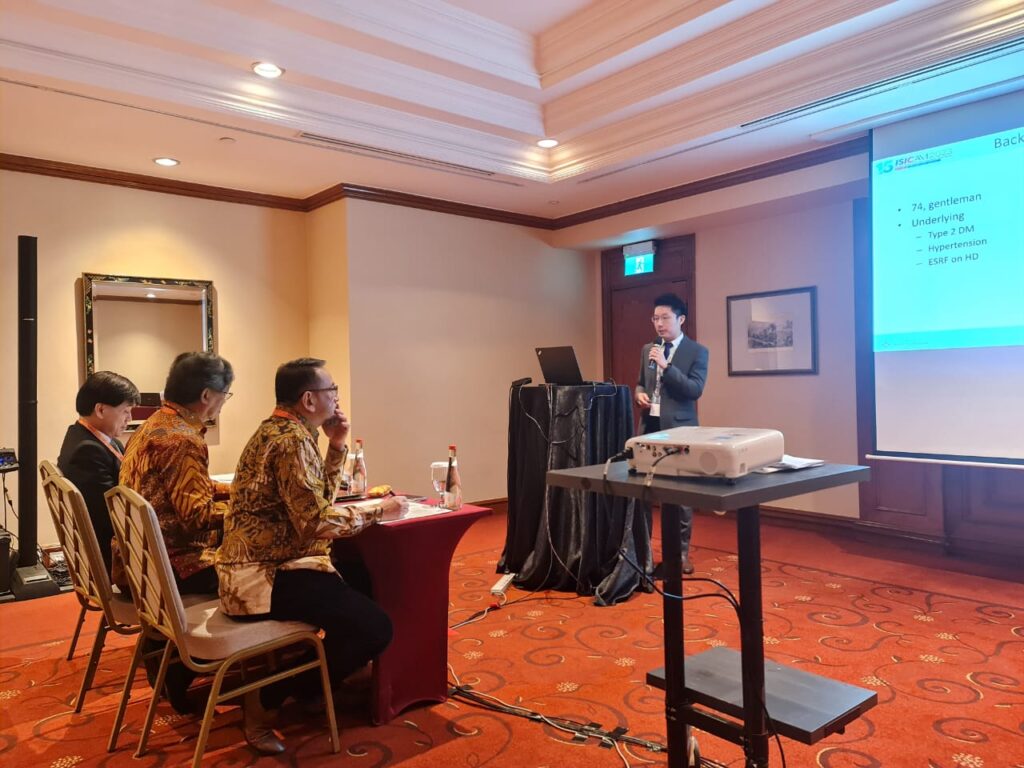
Glad to be able to share a case of IVUS complication to Dr Sunarya Soerianata from Indonesia, Dato Dr Rosli from CVSKL & Prof Dr Tan from Singapore! Case courtesy from Dr Lee Tjen Jhung!
Eh, where is Wei Liang?
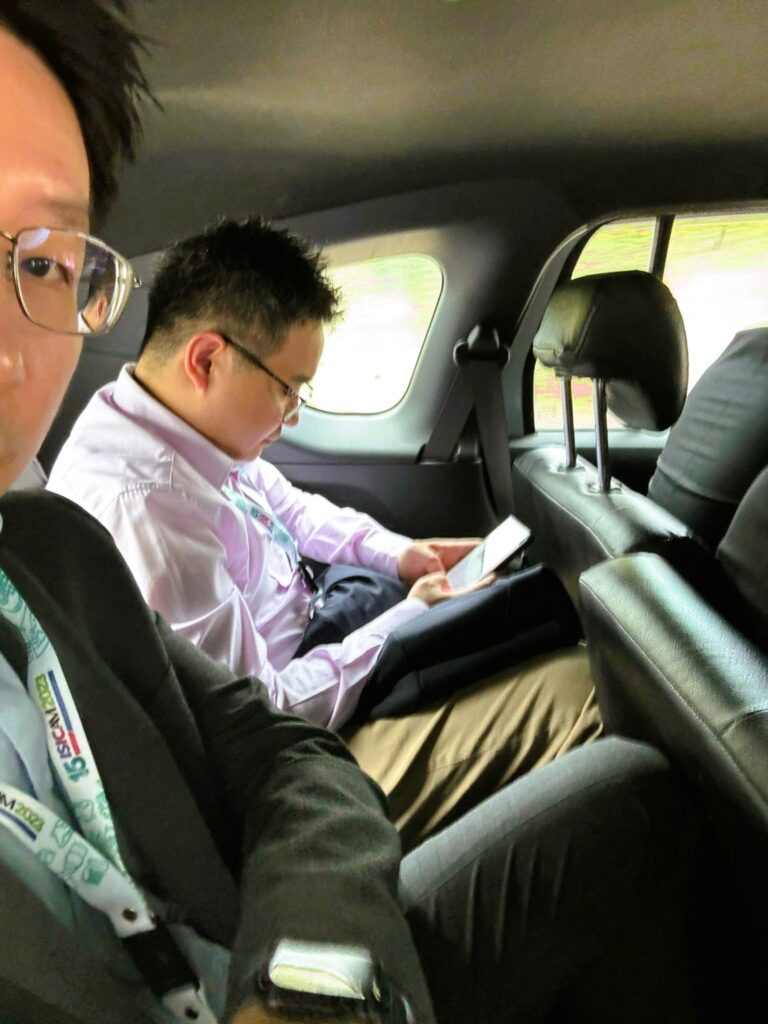
Toyota Veloz or Daihatsu Cigra or in Malaysia Perodua Alza is a very popular car model at Jakarta!
I were sitting at 3rd row, can fit 2 adults for short distance! real 7 seater car but not comfortable for long distance. No more boot space for luggage though.
Amazing closing ceremony crowd compared to our Malaysia conference! The tip is lucky draw for iPad Air, Samsung S23 Ultra haha~
Today, we bid farewell to a remarkable individual who has left an indelible mark at Institut Jantung Negara, Dr Lee Tjen Jhung. As we take this moment to reflect on his journey and contributions, we are filled with both gratitude and admiration.
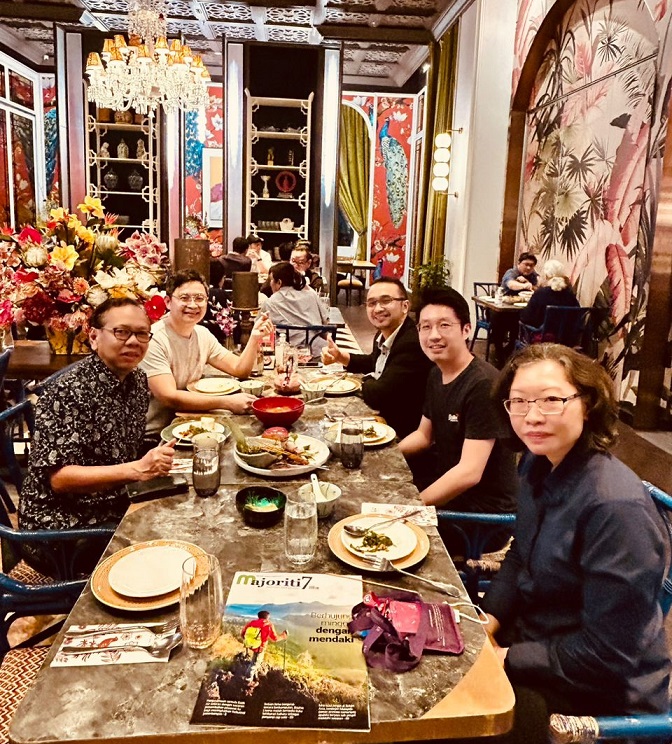
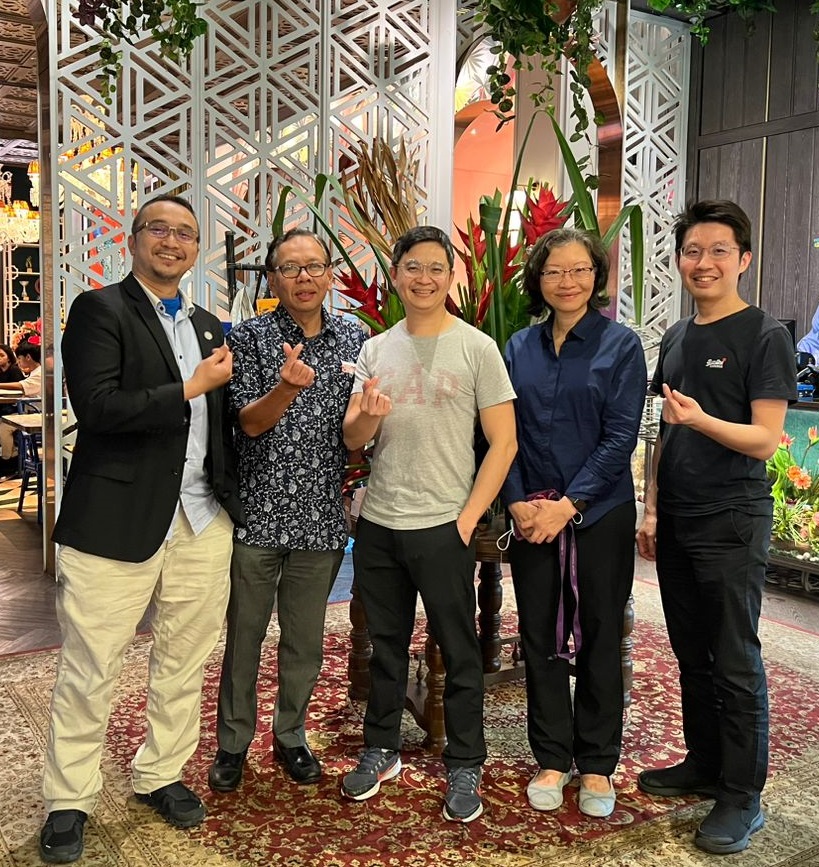
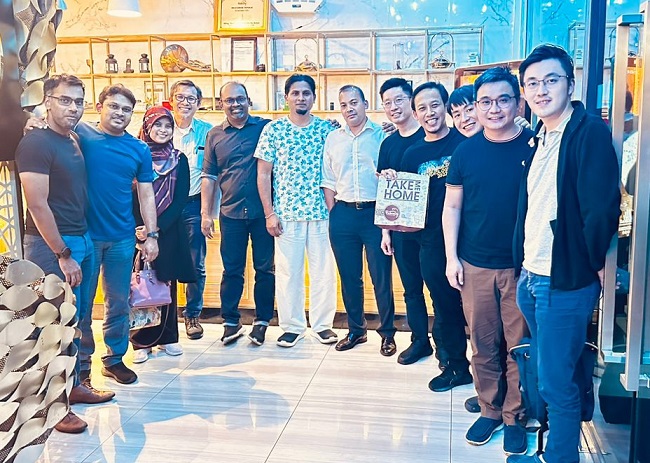
Current team with Datuk Dr Aizai, Dr Emily Tan, Dr Lee TJ & Dr Faisal
Dr Lee has been a guiding light in the cardiology field for many years. His unwavering commitment to patient care and the pursuit of knowledge has made him a true beacon of inspiration. We have witnessed his tireless efforts to advance medical research, always pushing the boundaries of what’s possible.
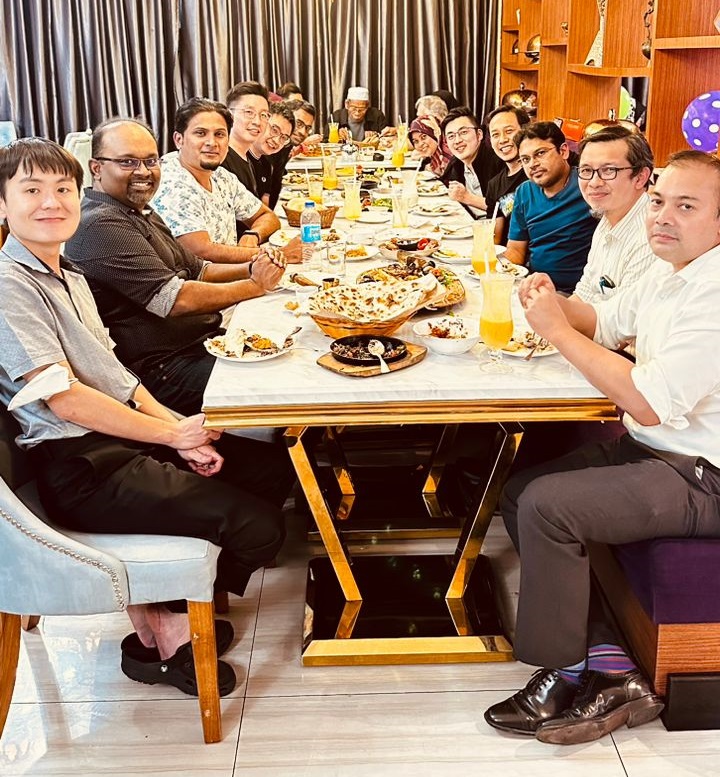
Farewell dinner at Chef de Wan, The Linc
As we say goodbye to Dr Lee Tjen Jhung, we also celebrate his accomplishments. He leaves behind a wealth of knowledge, compassion, and a standard of excellence that will continue to inspire those who follow in his footsteps. His departure from the daily medical practice may be a farewell in one sense, but his impact on the world of medicine will endure for generations to come.
Dr Lee TJ previous 3 teammates
As Dr Lee embarks on this new phase of his life, we wish him health, happiness, and the time to explore new horizons. Farewell, Dr Lee Tjen Jhung, and thank you for being an inspiration to us all.
Time flies and now I’m in my 3rd year fellowship training at IJN. I still remember my second posting in IJN was interventional team led by Datuk Dr Shaiful, Datuk Dr Kumara & Dr Jayakhantan!
I was a junior fellow that time, trying to learn as fast & as much as possible during the 6 months posting.
Tried my best to scrub in cases to assist & learn from all the sifus!
Our interventional rotation dinner with Datuk Dr Shaiful, Datuk Dr Kumara & Dr Jayakhantan together with all my fellow colleagues!
Dr Nazrul is now practicing in Subang Jaya Medical Center (SJMC).
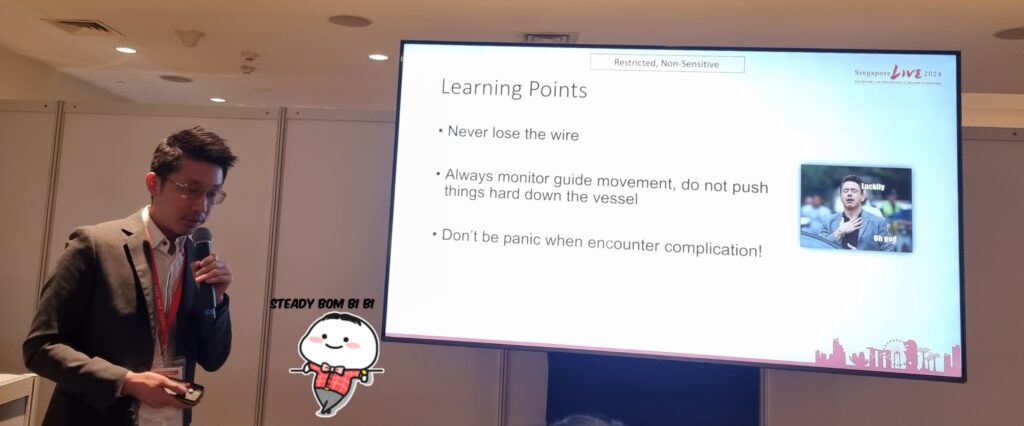
I may not be as good as other fellows, I may not be good in expressing myself, I maybe the quiet & introvert boy, but I’m really grateful with all the teachings & will definitely remember all the tricks that being taught during the posting! Hope to rejoin the team later! #dontlosethewire #28atm #dontusetorquer