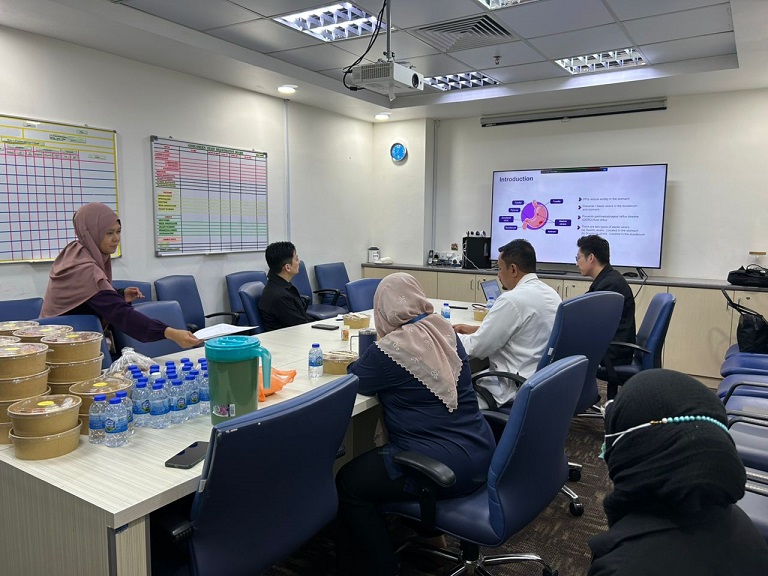
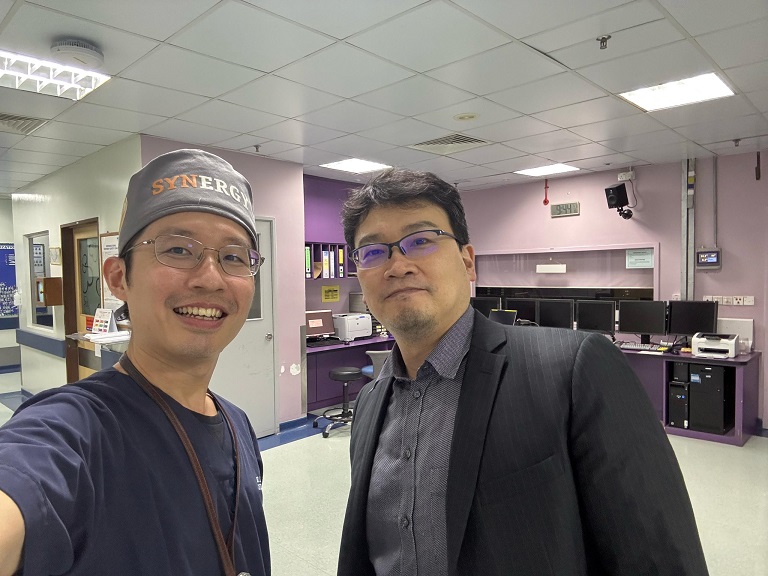
A focused educational session on acid suppressive therapy was recently delivered to the Emergency Department (ED) medical team at the National Heart Institute (IJN), highlighting the clinical role of proton pump inhibitors (PPIs)—with particular emphasis on Nexium (esomeprazole).
The talk covered the mechanism of action of PPIs in inhibiting gastric acid secretion, and their critical role in managing stress-related mucosal disease, gastroesophageal reflux (GERD), upper gastrointestinal bleeding, and NSAID-induced gastritis—all relevant scenarios in emergency and cardiology settings.
Discussions also addressed the onset of action, dosing strategies, and appropriate indications of Nexium, reinforcing the importance of targeted therapy to avoid overuse or misuse of PPIs, which can be associated with long-term risks such as hypomagnesemia, C. difficile infection, and osteoporosis.
This session aimed to empower IJN ED doctors with practical knowledge for evidence-based use of PPIs, ensuring optimal patient outcomes in acute care.
Thanks AZ for the opportunity & thanks Dr Farina, Dr Suhailan for attending!
On a recent weekend in Kuala Lumpur, Boston Scientific successfully organized IVUS-Guided PCI workshop. The event took place at the prestigious EQ Hotel and gathered esteemed interventional cardiologists to share expertise, review case studies, and promote the adoption of imaging-guided PCI techniques in clinical practice.
The IVUS-Guided PCI Workshop was chaired by two of Malaysia’s leading cardiovascular specialists—Dato’ Sri Dr Azhari Rosman and Datuk Dr Kumara, both representing the National Heart Institute (IJN). Their leadership underscored the importance of advanced imaging tools such as IVUS in improving PCI outcomes, particularly in complex coronary lesions.
The event featured distinguished external speakers including Dr Fam Jiang Ming from Singapore, who contributed international perspectives and valuable insights into contemporary imaging practices. Dato’ Dr Mohd Sapawi from Terengganu also played a key role in the discussions, sharing his clinical experience and reinforcing the relevance of IVUS in daily interventional work across various healthcare settings.
As part of the scientific agenda, I had the privilege of presenting a clinical case involving IVUS-guided ostial stenting, which demonstrated the precision and diagnostic value of IVUS in assessing lesion morphology and optimizing stent deployment—particularly in challenging anatomical locations. The case discussion fostered active engagement among the participants, highlighting the evolving role of imaging in enhancing procedural success and long-term patient outcomes.
This well-curated IVUS-Guided PCI Workshop served not only as a platform for knowledge sharing but also as a testament to the growing emphasis on evidence-based, image-guided interventions in cardiovascular care. Special thanks to Boston Scientific for organizing this meaningful educational event and to all participating faculty for their invaluable contributions.
On the evening of 10th May 2025, I had the pleasure of speaking at EMVOLUTION, an educational empagliflozin workshop hosted by Qualitas Health in collaboration with Boehringer Ingelheim, held at the Royale Chulan Damansara. The event, themed “Empagliflozin’s Revolutionary Management in CRM Continuum”, gathered healthcare professionals for a dynamic discussion on the evolving landscape of chronic disease management.
I was honoured to present on “Managing the ‘Tough Guys’: Patients with Co-morbidities,” where I shared practical approaches to handling complex patient profiles—particularly those with overlapping cardiovascular, renal, and metabolic conditions. As we continue to embrace newer therapies like empagliflozin, it’s clear that we’re entering a new era of patient-centric, multi-disciplinary care.
Dr. Wong Mun Hoe from Pantai Hospital Kuala Lumpur followed with a compelling session titled “The Silent Killer: CKD,” shining a spotlight on the silent burden of chronic kidney disease. We wrapped up with a lively panel discussion in the spirit of a “Tonight Show”, exchanging insights across specialties.
Thanks to all who attended and contributed to the rich dialogue. Events like these remind us of the importance of collaboration in advancing patient outcomes.
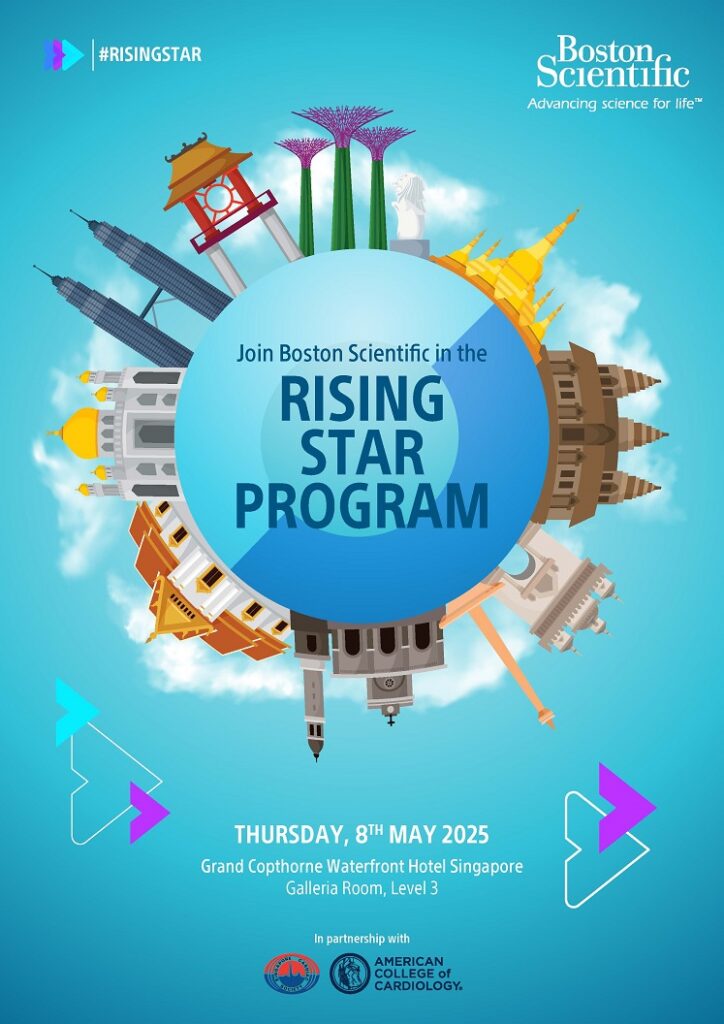
Shaping Asia’s Future in Cardiology: Rising Star Program Highlights Groundbreaking Coronary Intervention Cases
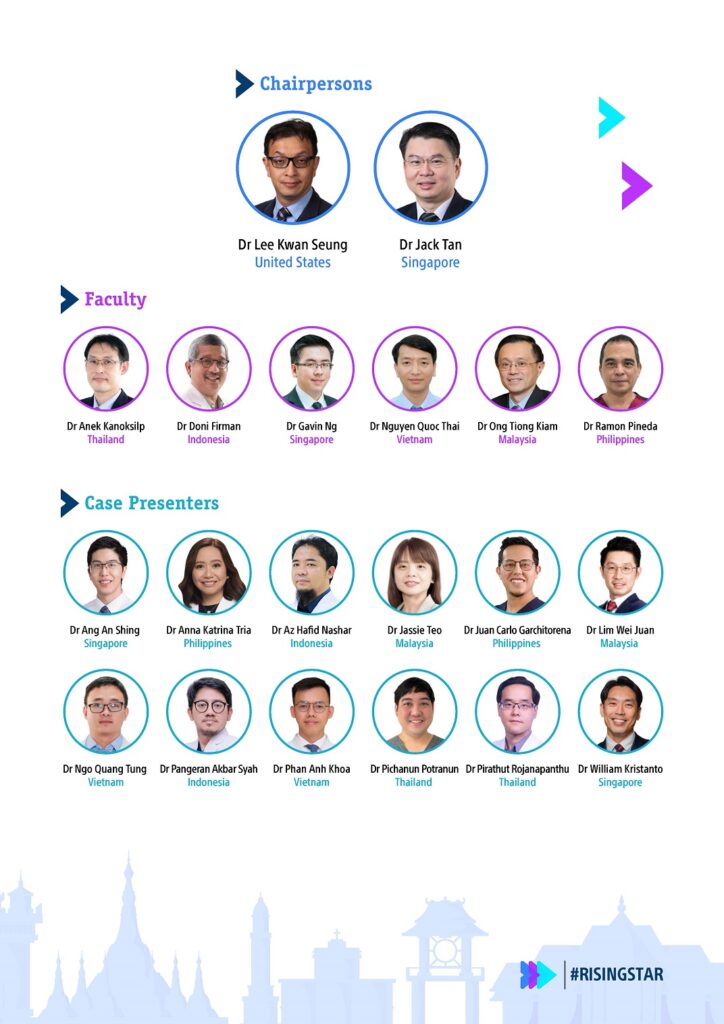
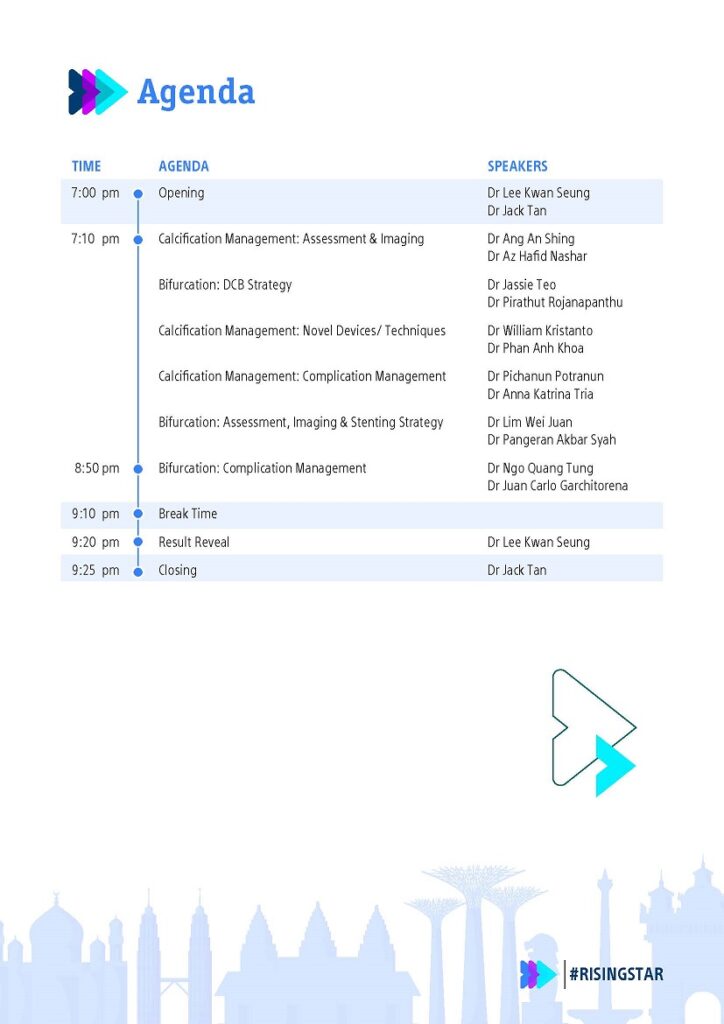
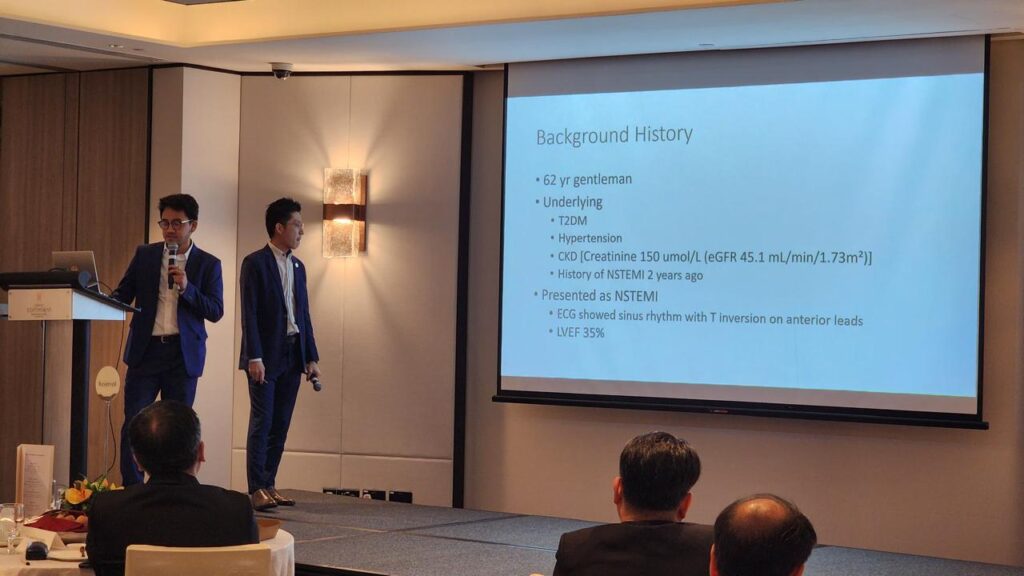
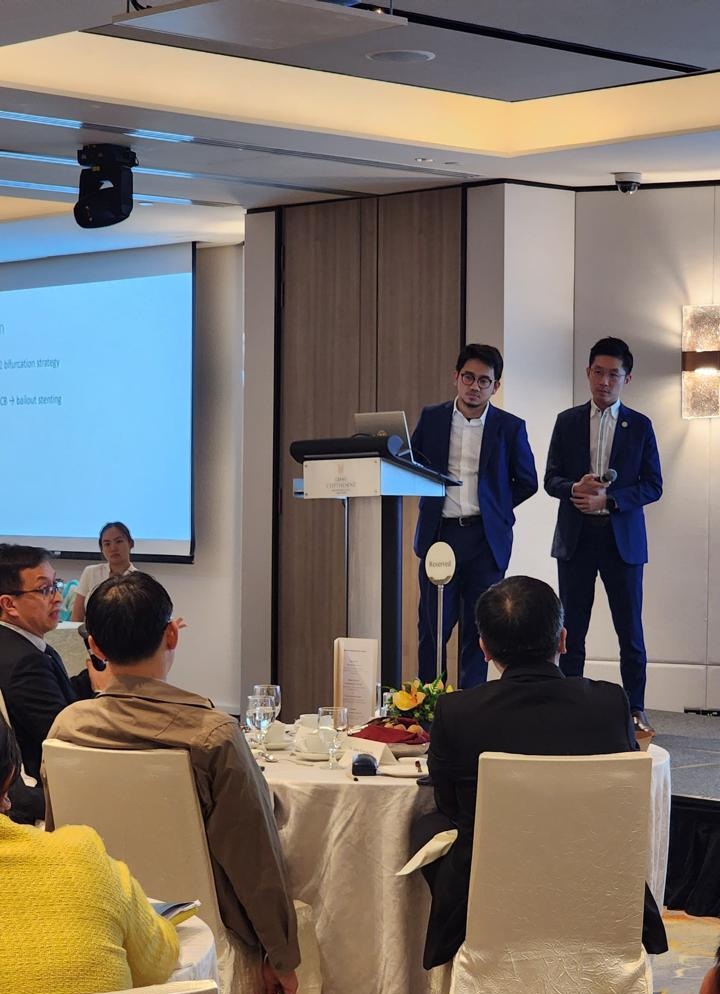
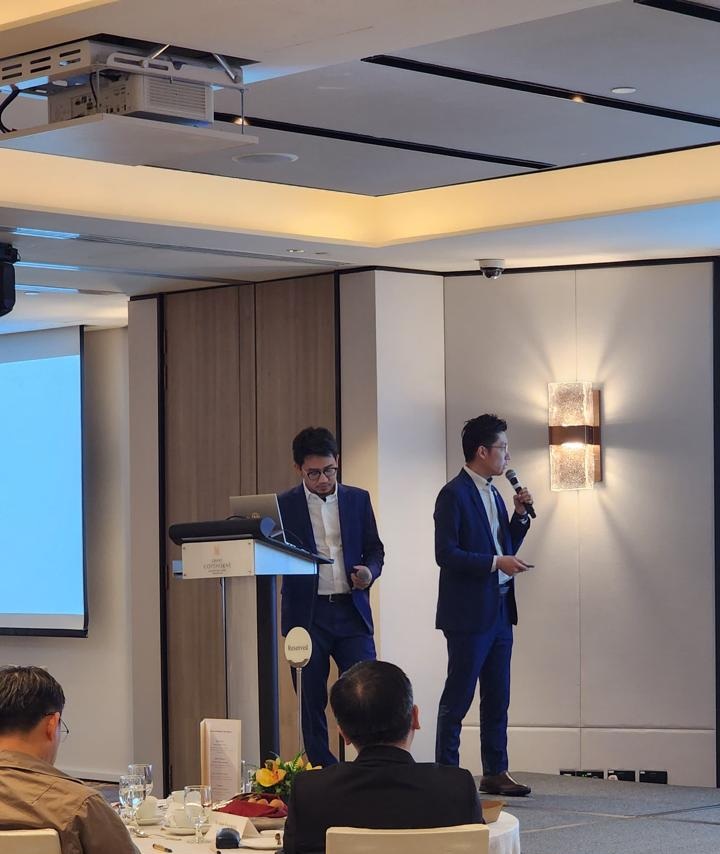
The Rising Star Program in Singapore continues to cement its reputation as a regional platform for clinical excellence and cross-border collaboration. At a recent highlight session chaired by Dr. Jack Tan and Dr. Lee Kwan Seung, distinguished interventional cardiologists from Malaysia, Singapore, Thailand, Vietnam, Indonesia, and the Philippines came together to share complex coronary intervention cases.
Its a team based presentation
Its my 1st time presenting as a team with other cardiologist from other countries!
Focusing on calcified lesions and bifurcation strategies, the session featured real-world examples demonstrating advanced techniques using IVUS (Intravascular Ultrasound) and RotaPro. These tools were central in optimizing outcomes, especially in challenging cases where precision and plaque modification were critical.
From Malaysia’s approach to heavily calcified left main interventions, to Vietnam’s innovative use of IVUS-guided bifurcation stenting, the diversity of clinical perspectives provided invaluable learning for attendees. Dr. Lee Kwan Seung emphasized the importance of imaging in lesion assessment, while Dr. Jack Tan highlighted how programs like Rising Star are nurturing the next generation of interventional leaders across Asia.
As the program grows, it continues to foster not just technical skill-sharing but also deeper professional ties across borders—solidifying Southeast Asia’s position at the forefront of cardiovascular innovation.
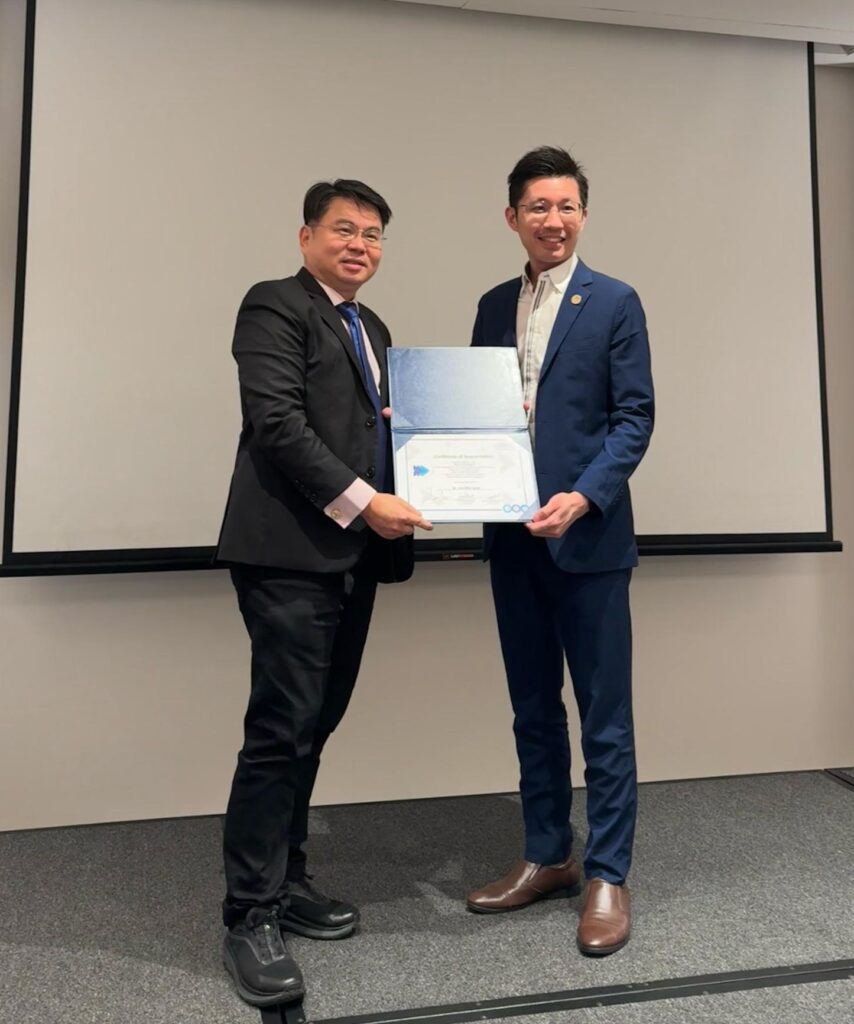
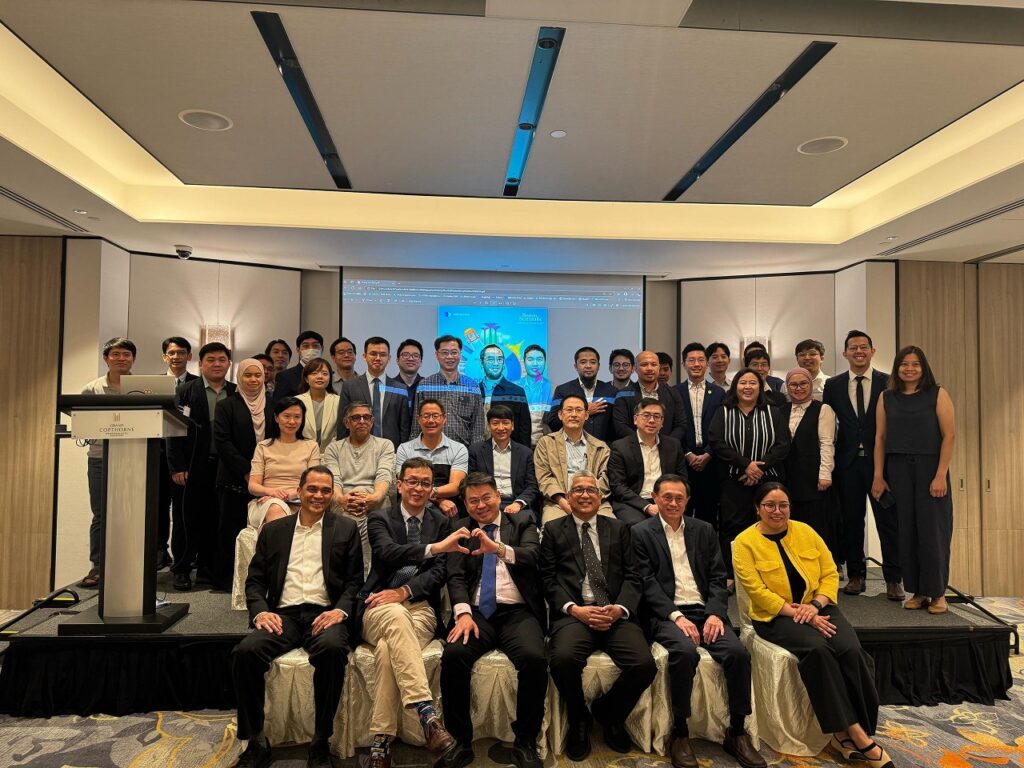
A group photo for all
Thanks Boston for organizing this event & the opportunity!
Thanks Datuk Dr Shaiful & Datuk Dr Kumara for the guidance!
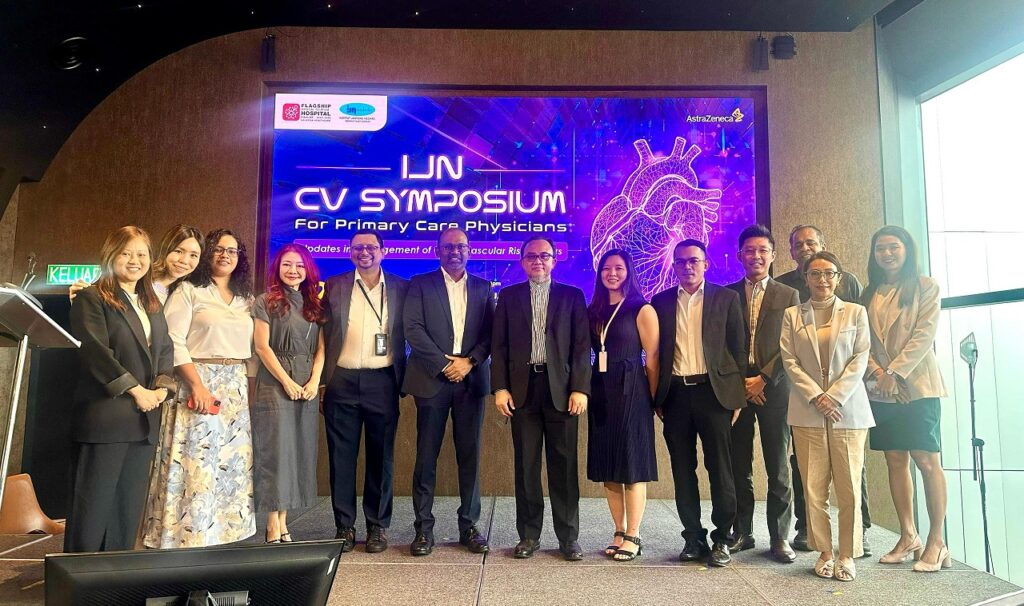
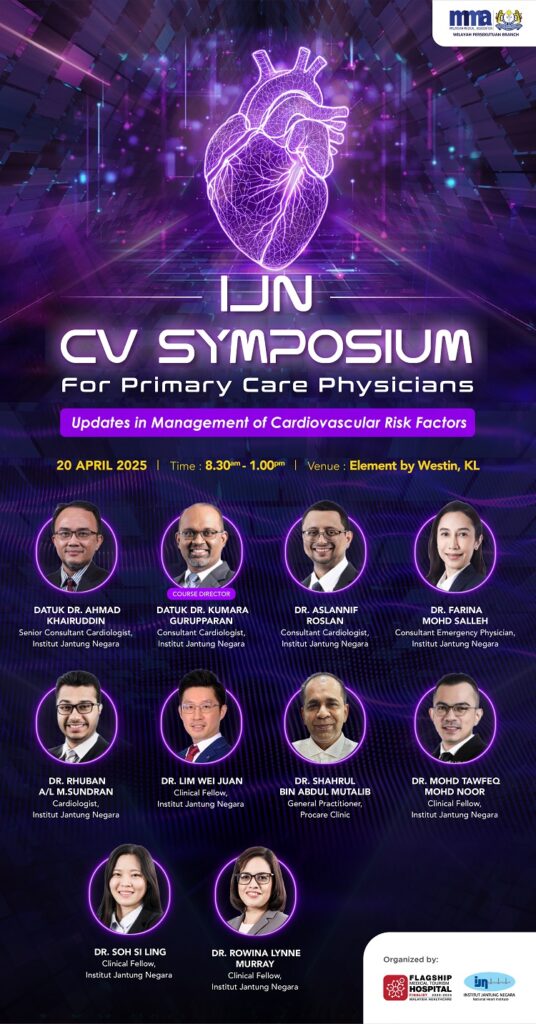
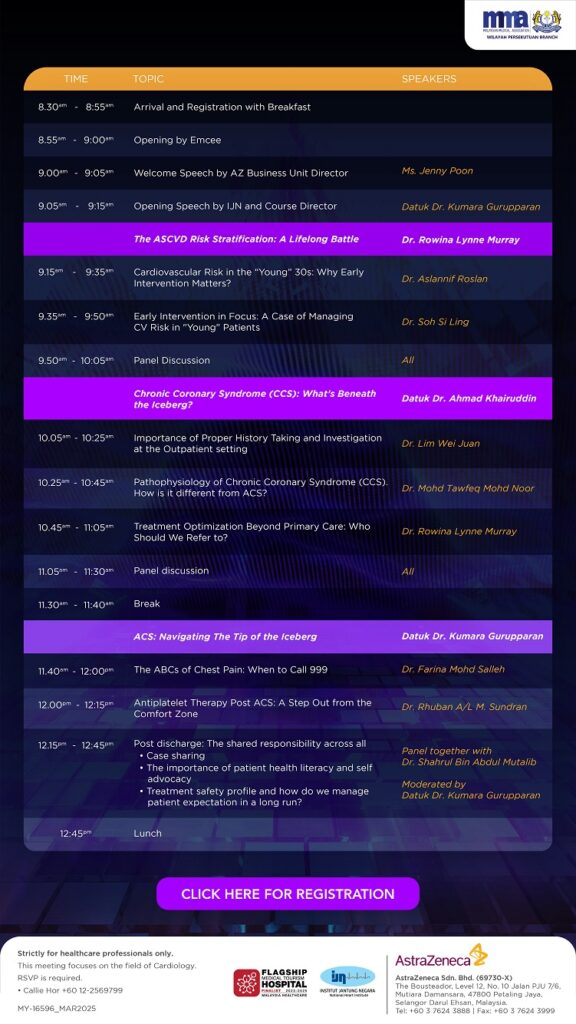
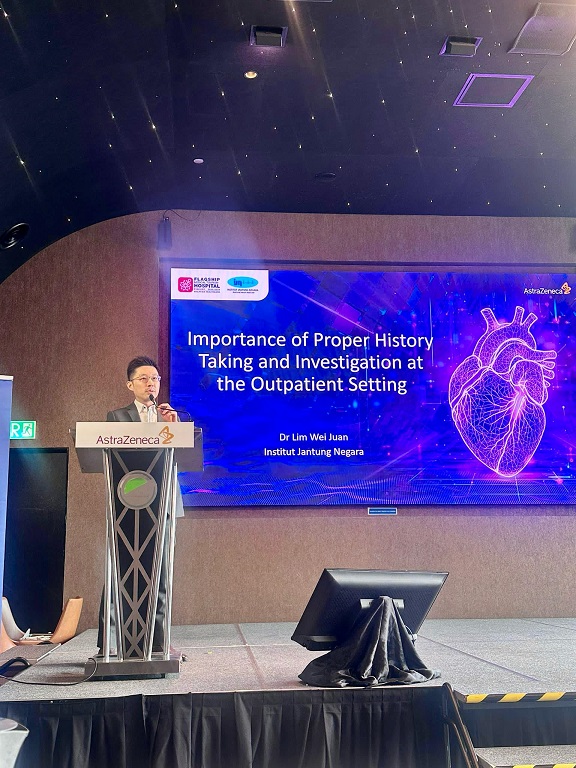
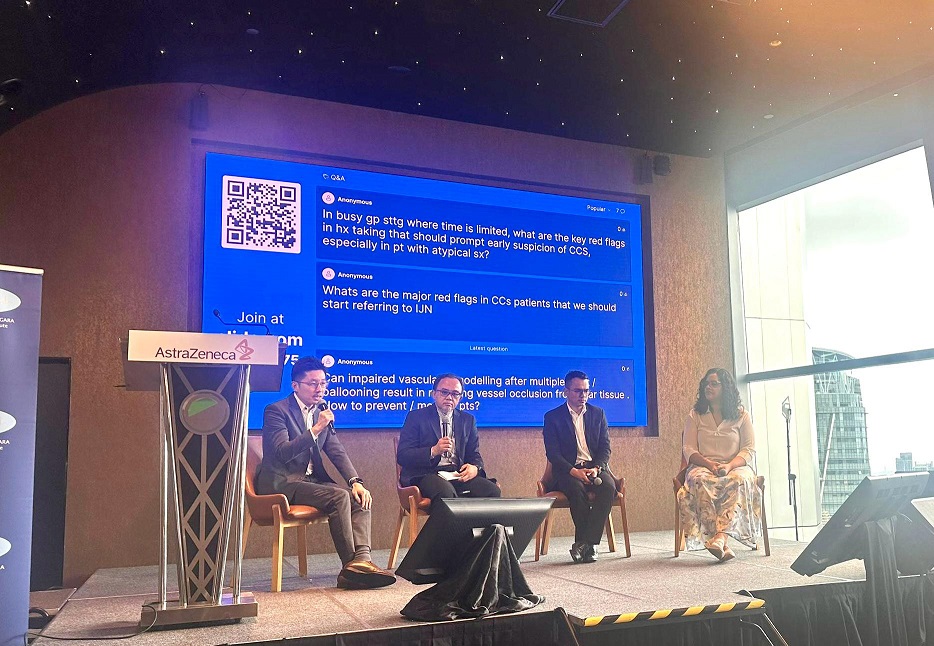
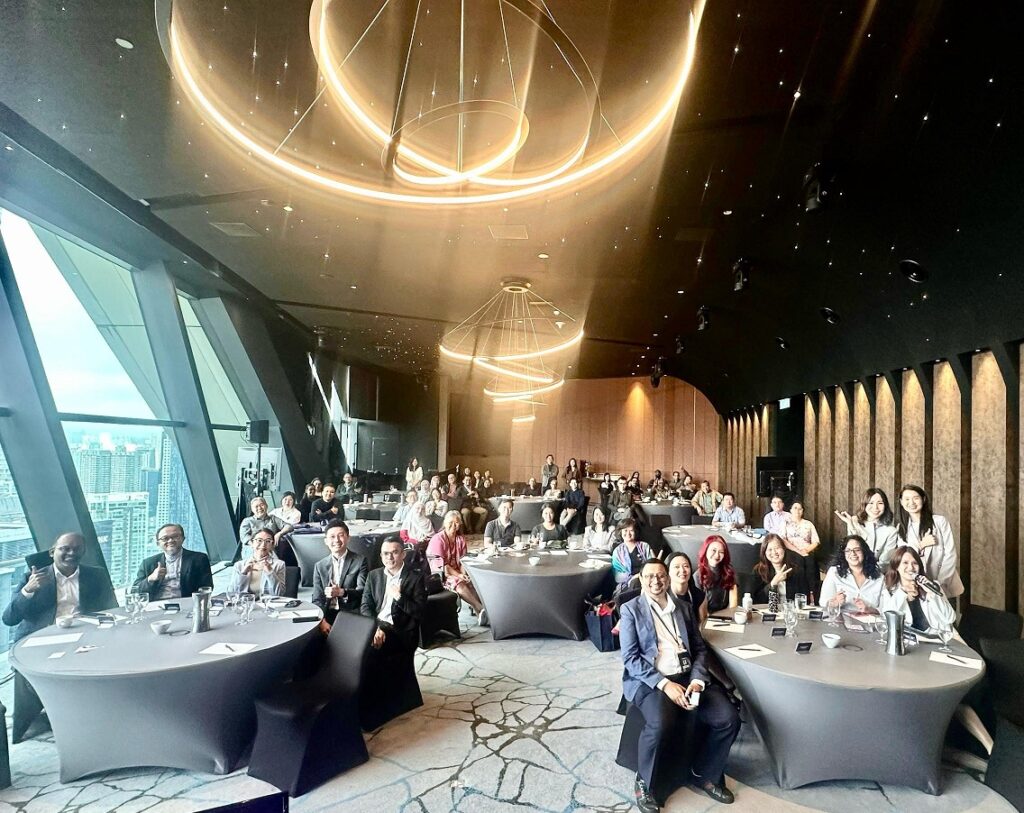
On 20 April 2025, the Institut Jantung Negara (IJN), in collaboration with the Malaysian Medical Association (MMA) Wilayah Persekutuan Branch, hosted the much-anticipated IJNGP CV Symposium for Primary Care Physicians at the stylish Element by Westin, Kuala Lumpur.
Focused on “Updates in Management of Cardiovascular Risk Factors”, the half-day symposium drew strong attendance from general practitioners eager to enhance their clinical acumen in tackling cardiovascular disease (CVD)—Malaysia’s leading cause of morbidity and mortality.
A Power-Packed Lineup of Experts
The event featured a multidisciplinary team of speakers and panelists from IJN, with insights from seasoned consultants, clinical fellows, and frontliners in emergency medicine and primary care.
Course Director:
Datuk Dr. Kumara Guruparan (Consultant Cardiologist, IJN)
Key Speakers & Panelists:
Datuk Dr. Ahmad Khairuddin – Senior Consultant Cardiologist, IJN
Dr. Aslannif Roslan – Consultant Cardiologist, IJN
Dr. Farina Mohd Salleh – Consultant Emergency Physician, IJN
Dr. Rhuban A/L M. Sundran – Cardiologist, IJN
Dr. Lim Wei Juan – Clinical Fellow, IJN
Dr. Mohd Tawfeq Mohd Noor – Clinical Fellow, IJN
Dr. Soh Si Ling – Clinical Fellow, IJN
Dr. Rowina Lynne Murray – Clinical Fellow, IJN
Dr. Shahrul Bin Abdul Mutalib – General Practitioner, Procare Clinic
A Meaningful Impact for Frontline Providers
This symposium underscored the critical role GPs play in early identification, risk assessment, and continuity of care for cardiovascular patients. With a strong focus on practical skills and collaborative care models, attendees left empowered to apply the latest knowledge directly in their practices.
The event also highlighted IJN’s ongoing commitment to professional development, bridging gaps between tertiary care and general practice, and ultimately improving outcomes for patients nationwide.
🩺 Key Takeaways for GPs:
Start screening early—even in patients as young as their 30s
Use structured history-taking to unearth hidden CV risks
Understand the nuances between ACS and CCS
Know when to refer and how to manage post-discharge care
Advocate for patient health literacy and self-empowerment
Final Words
The IJN GP CV Symposium 2025 wasn’t just a meeting—it was a call to elevate cardiovascular care through proactive, patient-centered general practice. With an impressive lineup of experts and a clinically rich agenda, it set a new benchmark for CME in cardiovascular health.
Thanks again to IJN & AZ for the opportunity for sharing!
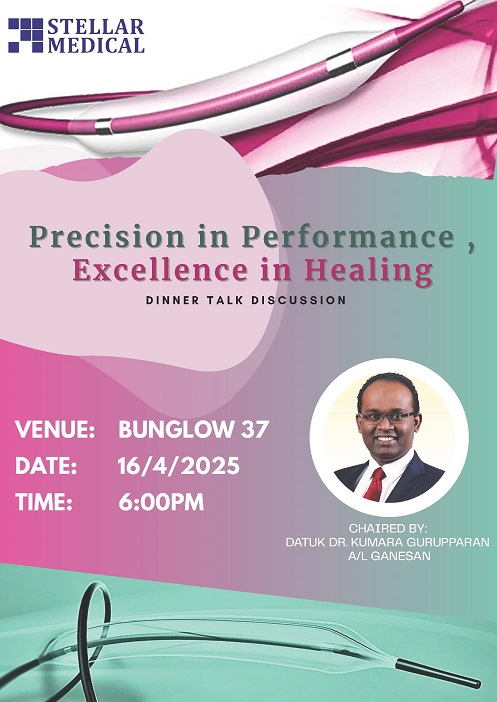
A Night of Insight and Innovationchaired byDatuk Dr Kumara
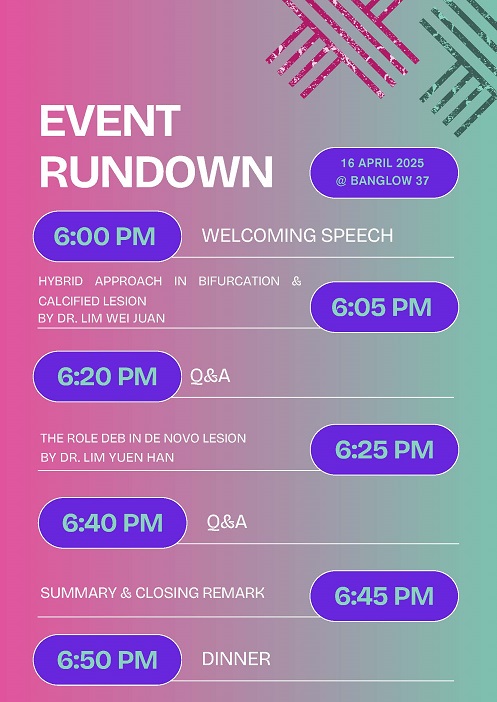
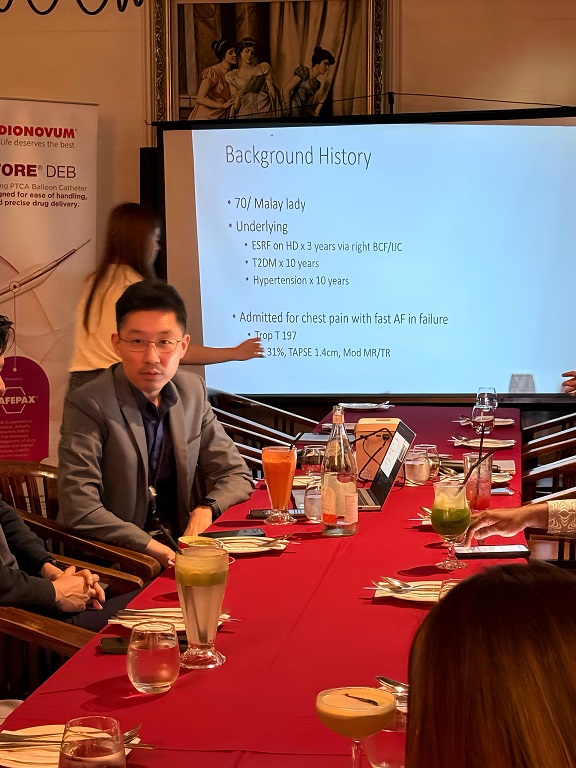
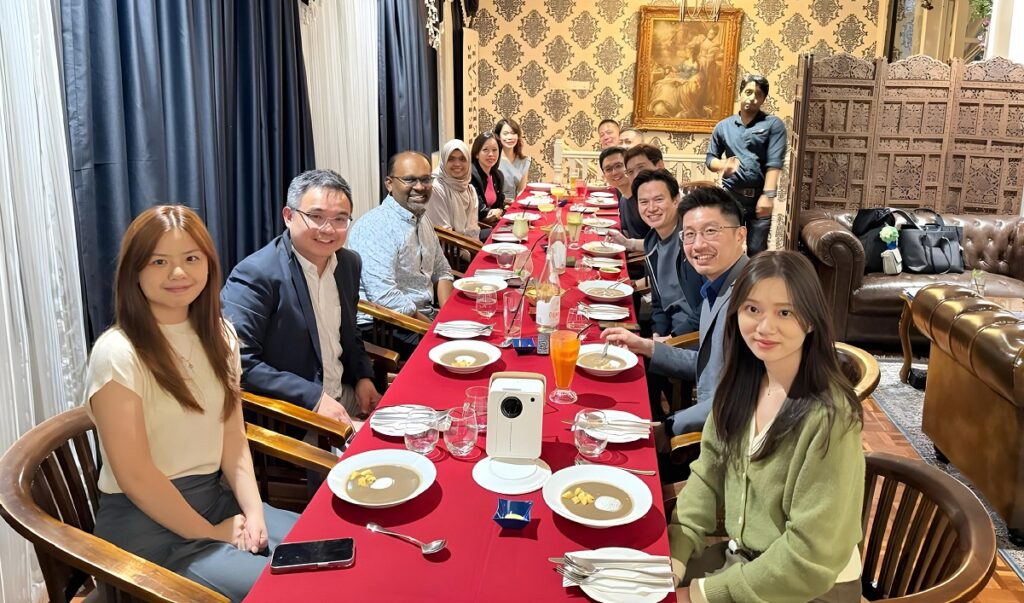
In a thought-provoking evening at the Bungalow 37, IJN cardiologists gathered for an exclusive strategy dinner talk focused on the evolving role of Drug-Coated Balloon (DCB) therapy in modern cardiology. The event was chaired by Datuk Dr Kumara, a distinguished consultant cardiologist at IJN, who led the discussions with precision, clarity, and a wealth of clinical experience.
Setting the Stage: Why DCB Matters
Datuk Dr Kumara opened the evening by emphasizing the increasing relevance of DCBs, particularly in the context of coronary artery disease (CAD) and in-stent restenosis (ISR). With a growing body of evidence supporting the efficacy of DCBs in select patient populations, especially those with small vessel disease and high bleeding risk, the technology is gaining momentum as a viable alternative to drug-eluting stents (DES).
“DCB is not just a device—it’s a strategy,” Dr Kumara remarked, highlighting the importance of lesion preparation and patient selection in achieving optimal outcomes.
Key Themes and Clinical PearlsThe discussion centered around several key themes:
1. Patient Selection and Lesion Preparation
Participants agreed that proper lesion preparation is the cornerstone of successful DCB outcomes. Dr Kumara reinforced the importance of achieving optimal vessel compliance, with imaging guidance (IVUS or OCT) playing a critical role in assessment.
2. DCB in Real-World Practice
Case presentations by Dr Lim Wei Juan & Dr Lim Yuen Han highlighted the practical application of DCBs in complex scenarios such as:
Small vessel disease
Diabetic patients
Bifurcation lesions
ISR with previous DES failures
Several attendees shared their experience with newer-generation DCBs showing favorable long-term patency rates and reduced need for repeat revascularization.
3. Emerging Data and Guidelines
The latest updates from ESC 2024 and APSC recommendations were discussed, which increasingly recognize DCBs as a Class I recommendation in ISR and a Class IIa option in de novo lesions in certain subsets.
Datuk Dr Kumara also touched on upcoming trials, including data from FIRE, BASKET-SMALL 2, and DEBUT studies, supporting broader adoption of DCB-first strategies.
Interactive Case Discussions and Q&A
The second half of the evening featured case-based discussions, allowing attendees to debate real-world challenges and strategies. Datuk Dr Kumara’s practical approach—blending evidence with patient-specific considerations—offered attendees invaluable clinical pearls to bring back to their practice.
Takeaways and Future Direction
The dinner talk concluded with a clear message: DCB therapy is no longer niche—it’s now central to contemporary PCI strategy, especially when used thoughtfully with the right tools, preparation, and patient selection.
In the ever-evolving field of interventional cardiology, few names command the global respect that Dr Koshi Matsuo does. Known for his mastery in chronic total occlusion (CTO) interventions, Dr Matsuo brought his legendary precision and teaching philosophy to our recent CTO workshop — a hands-on, high-impact learning experience that left everyone inspired and elevated.
A Rare Opportunity to Learn from a Japanese Maestro
Hailing from Japan, a country renowned for its meticulous and innovative approach to CTO PCI, Dr Koshi Matsuo is more than just an expert — he’s a sensei, a teacher who imparts not just skills but wisdom. His calm demeanor, structured techniques, and deep understanding of complex anatomy were on full display throughout the workshop.
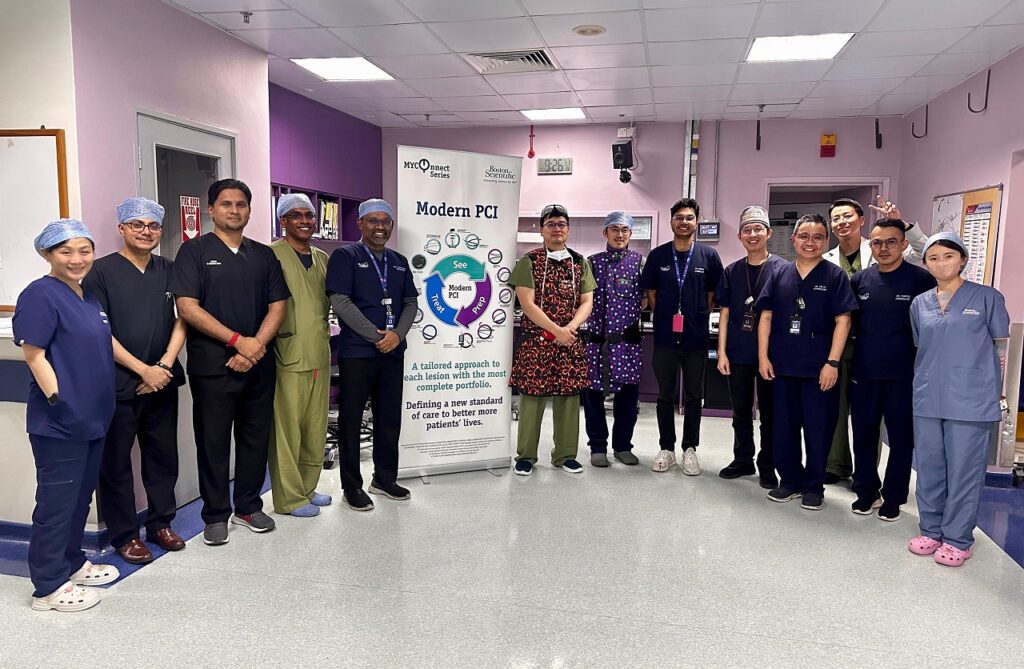
3 participants from UKM, Dr Kogulakrishnan from Columbia Asia Klang and Dr Dhani from Hospital Kuantan were treated to a blend of theory, live case demonstrations, and case-based discussions. Dr Matsuo’s step-by-step explanations made even the most daunting lesions approachable.
Key Highlights from the Workshop
Live CTO PCI Demonstrations: Dr Matsuo performed live cases showcasing both antegrade and retrograde approaches. His mastery of wire techniques, microcatheter handling, and dissection-reentry strategies provided practical insights that textbooks often miss.
The Japanese Way: Emphasis was placed on wire escalation protocols, the importance of tactile feedback, and micro-movements — hallmarks of the Japanese technique that can dramatically improve procedural success and safety.
More Than Just Techniques: A Philosophy of Patience and Precision
What set this workshop apart wasn’t just the technical content — it was Dr Matsuo’s emphasis on the mindset behind a successful CTO intervention. He reminded everyone that CTO PCI is not a race, but a discipline of patience, planning, and persistent learning.
Managed to do 2 CTO cases with sensei, 1st case was an adhoc CTO RCA, successful crossed with Gaia 2nd, full DCB from ostial to distal RCA. 2nd case was CTO proximal LAD with bridging collaterals, crossed with parallel wiring technique using Sasuke dual lumen catheter, also DCB!
Final Thoughts
This workshop was a rare privilege and a reminder of the importance of lifelong learning in interventional cardiology. We thank Dr Koshi Matsuo for sharing his time, expertise, and passion with us.
Thank you Boston Scientific for bringing Dr Koshi Matsuo from Japan to IJN!