Complex coronary intervention continues to evolve, with Chronic Total Occlusion (CTO) percutaneous coronary intervention (PCI) representing one of the most technically demanding areas of interventional cardiology. Dr Wasan Udayachalerm
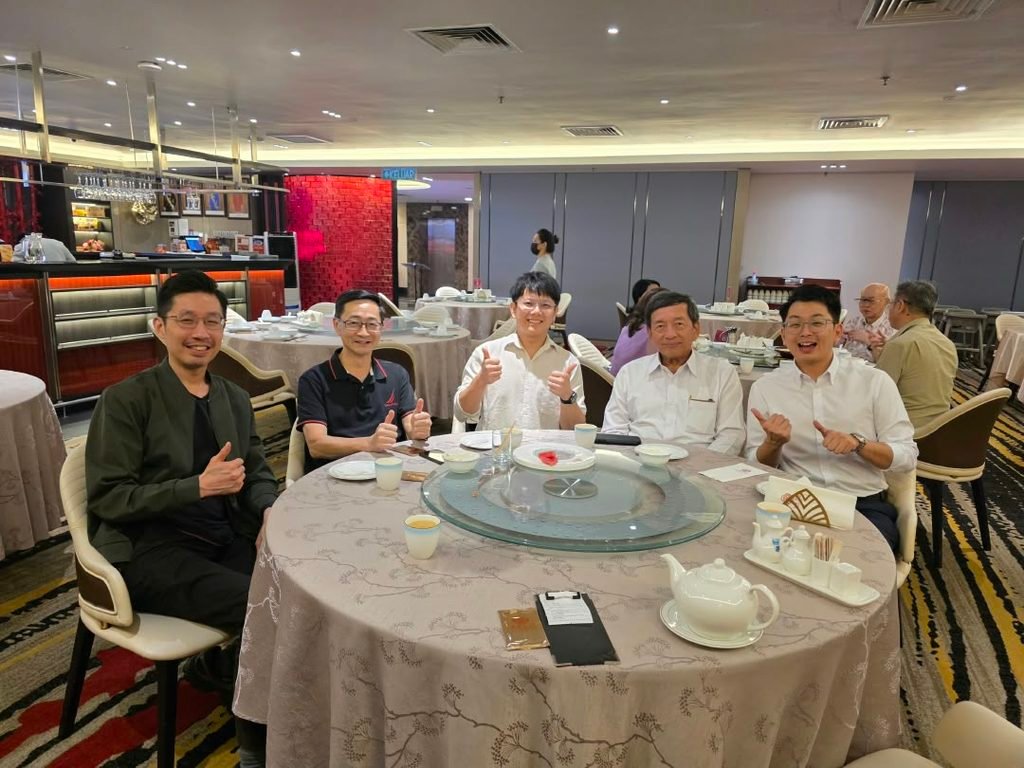
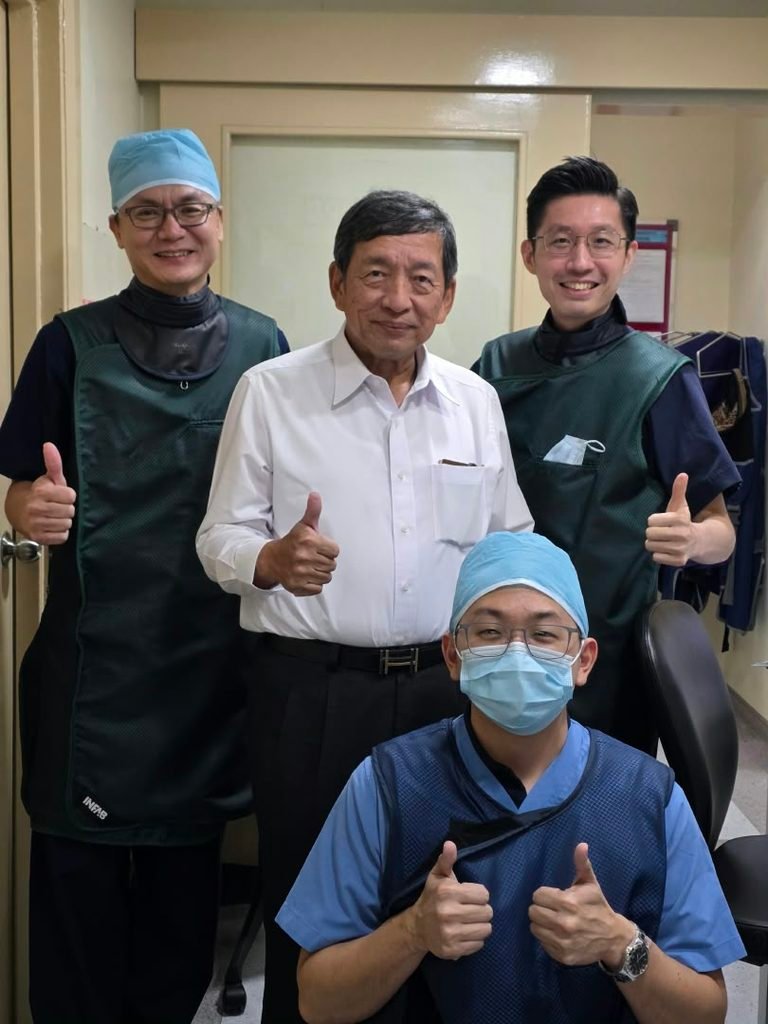
The CTO Workshop featuring Dr Wasan Udayachalerm, an experienced interventional cardiologist from Thailand, was a valuable opportunity for clinical learning, procedural discussion, and professional collaboration in complex coronary intervention on 17/10/2026 at Johor Specialist Hospital.
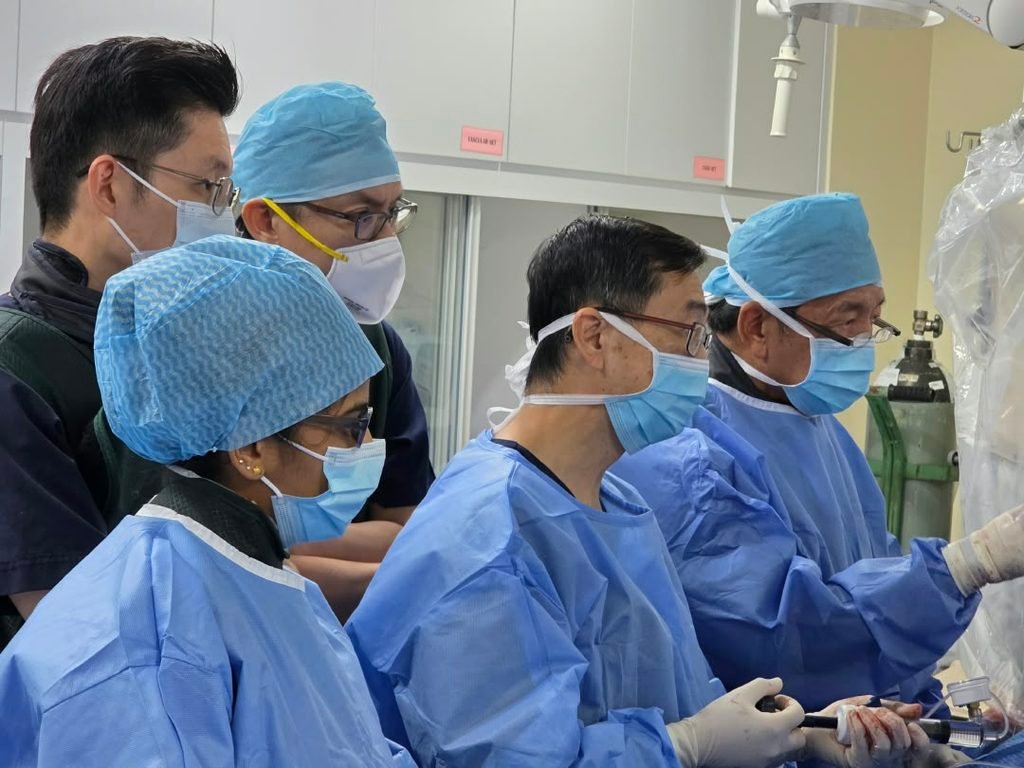
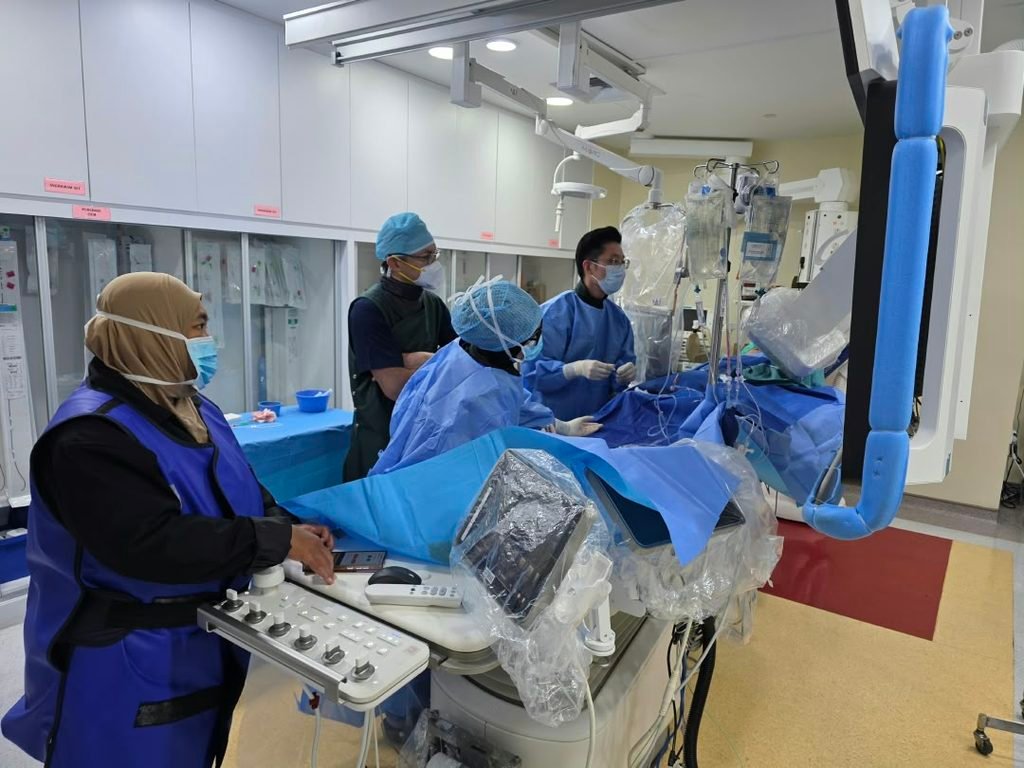
The workshop featured two CTO PCI cases, with one performed by Dr Ngim and another by Dr Lim Wei Juan, providing an educational platform to share procedural experience and discuss strategies for managing challenging coronary occlusions.
Learning from an Experienced Interventional Cardiologist
Dr Wasan Udayachalerm is an interventional cardiologist from Thailand with expertise in cardiac catheter-based procedures. His professional background includes interventional cardiology training at Leiden University Medical Center in the Netherlands.
His participation in the workshop provided an opportunity for knowledge exchange and discussion on contemporary approaches to CTO PCI, a procedure that requires detailed angiographic assessment, careful procedural planning, appropriate equipment selection, and sound clinical judgment.
Two CTO PCI Cases: Sharing Experience and Expertise
The workshop featured two CTO PCI cases, highlighting the importance of a systematic approach to complex coronary revascularisation.
Case 1: CTO PCI by Dr Ngim
Dr Ngim performed the first case, providing an opportunity to discuss the challenges of CTO intervention and the procedural considerations involved in treating a chronically occluded coronary artery. Total 7 hours!!
Case 2: CTO PCI by Dr Lim Wei Juan
The second case was performed by Dr Lim Wei Juan, focusing on the planning and technical considerations involved in CTO PCI. The case contributed to the workshop’s learning objectives through procedural experience and discussion of strategies for complex coronary intervention. As Dr Wasan has to leave to Singapore to catch his flight back to Bangkok, Dr Lim has to perform the CTO PCI himself.
Both cases reinforced the importance of individualised treatment planning, technical precision, and collaborative decision-making in CTO PCI.
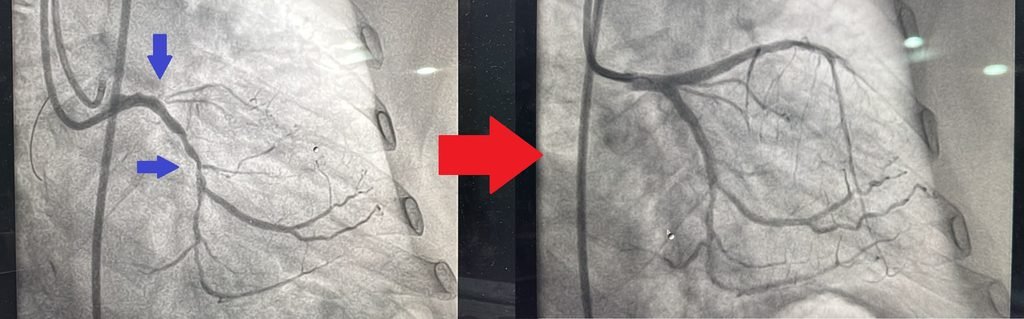
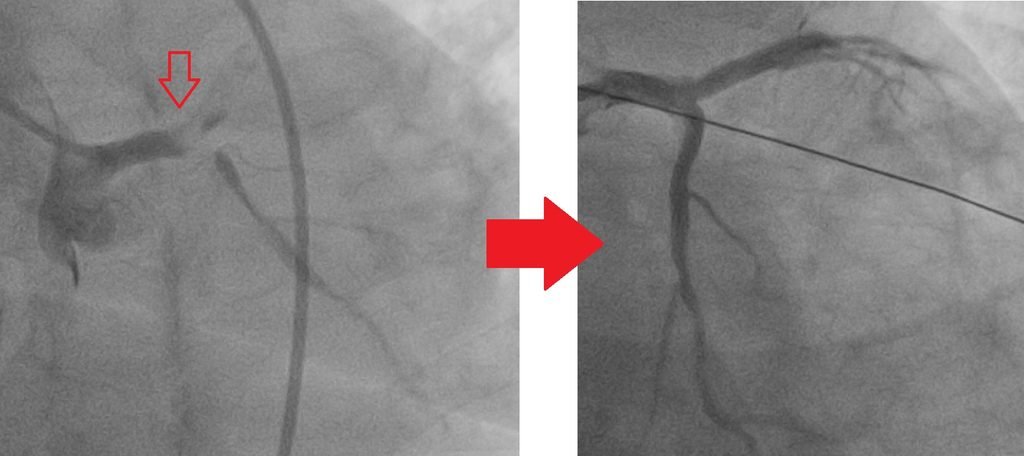
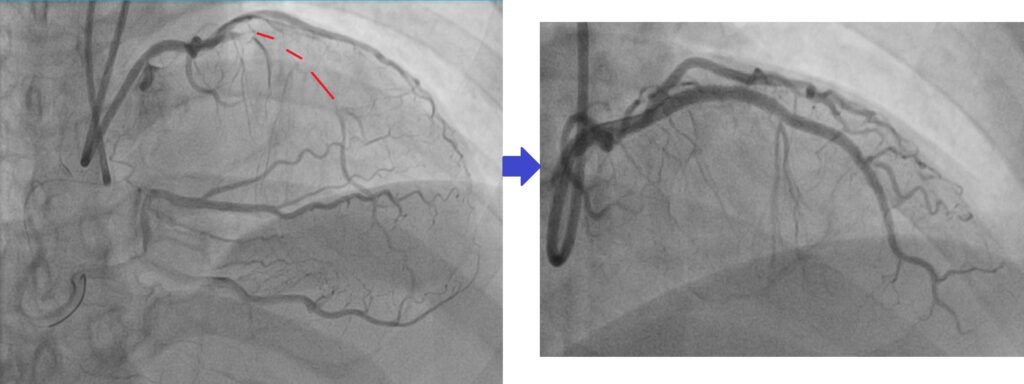
Ostial LAD CTO on left picture (Blue arrow) then after opening up the 100% blockages picture on the right
Strengthening CTO PCI Expertise in Malaysia
Workshops featuring experienced interventional cardiologists play an important role in advancing local expertise in complex PCI. They provide opportunities to exchange knowledge, discuss challenging cases, and improve familiarity with contemporary procedural strategies.
Beyond the technical aspects of intervention, these educational sessions encourage collaboration and continuous professional development, with the ultimate goal of delivering high-quality care to patients with complex coronary artery disease.
Continuing the Journey in Complex Coronary Intervention
The CTO PCI Workshop with Dr Wasan Udayachalerm from Thailand, featuring cases performed by Dr Ngim and Dr Lim Wei Juan, represents a meaningful opportunity for professional development and collaboration in interventional cardiology.
Through continued learning, clinical discussion, and international knowledge exchange, interventional cardiologists can continue to refine their skills and advance the practice of complex coronary intervention.
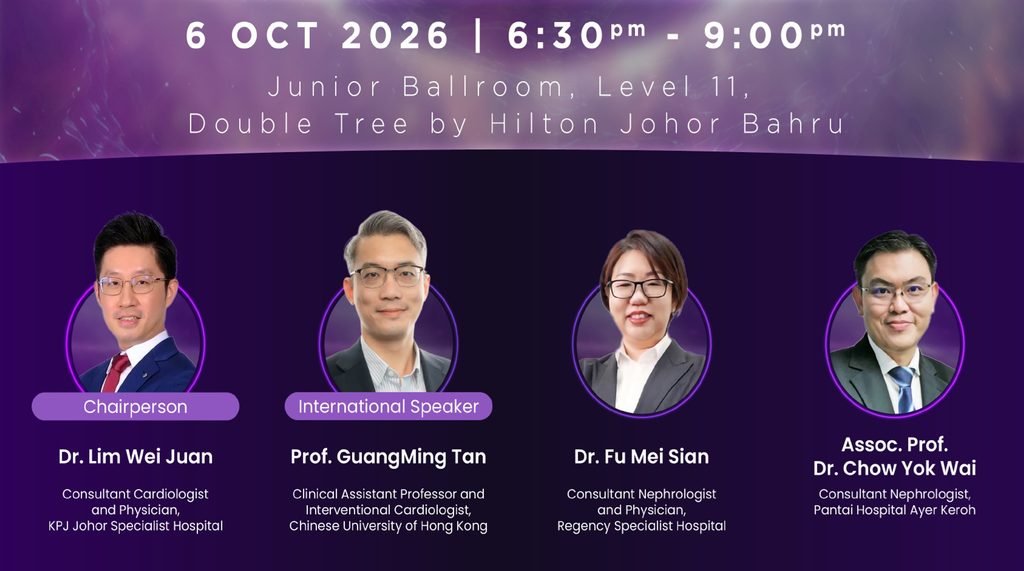
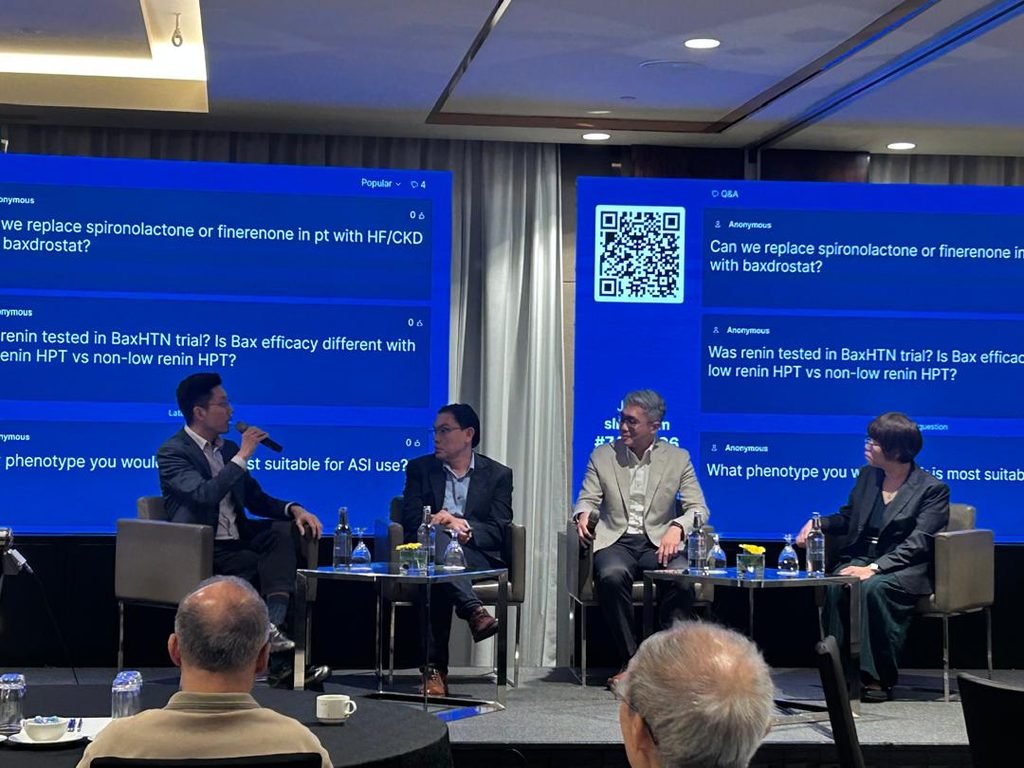
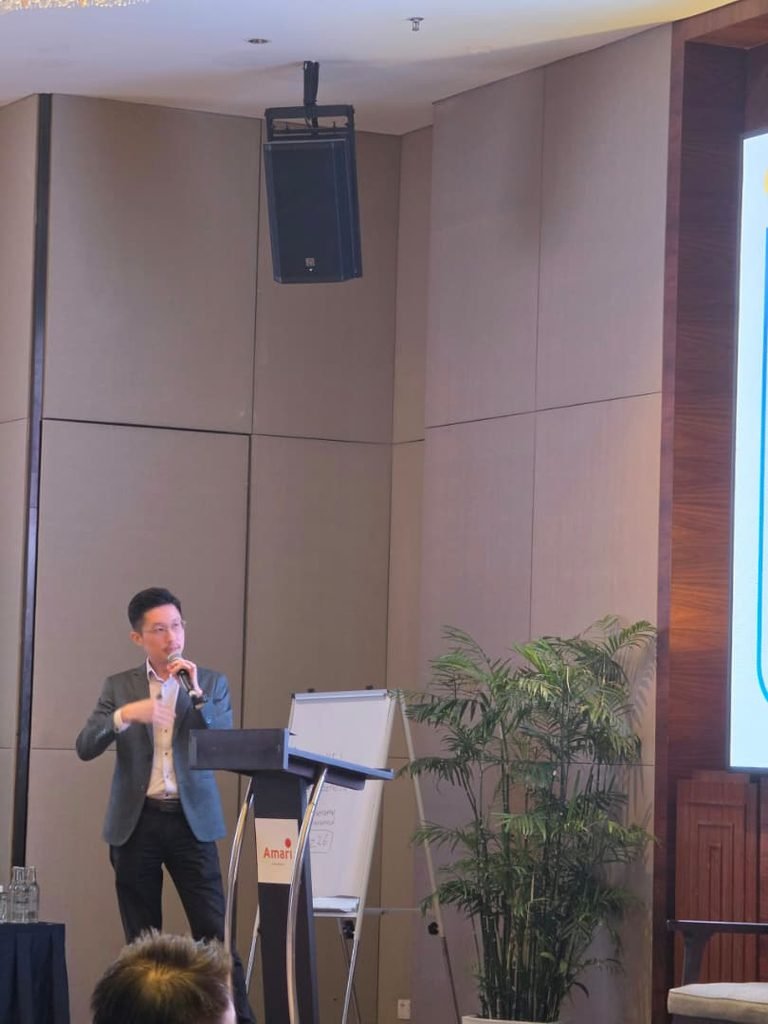
Dr Lim Wei Juan, Consultant Cardiologist at KPJ Johor Specialist Hospital, served as chairperson for an expert dialogue on the future of hypertension management, bringing together leading specialists to discuss uncontrolled hypertension, aldosterone dysregulation and the emerging role of aldosterone synthase inhibitors.
Held on 6 October 2026 at DoubleTree by Hilton Johor Bahru, the session, “Charting the Future: An Expert Dialogue,” explored how advances in understanding aldosterone-driven hypertension may shape the next generation of treatment strategies.
Addressing the Challenge of Uncontrolled Hypertension
Hypertension remains a major public health challenge, particularly among patients whose blood pressure remains uncontrolled despite receiving multiple antihypertensive medications. Persistent hypertension increases the risk of cardiovascular complications, including stroke, coronary artery disease, heart failure and chronic kidney disease.
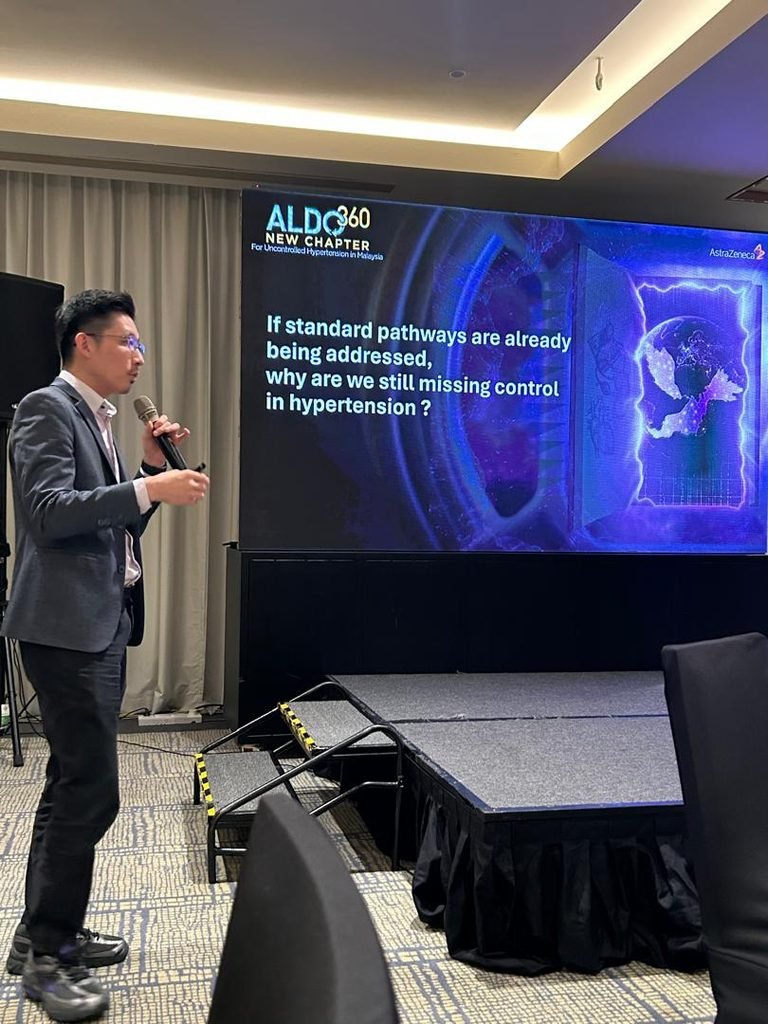
The session examined the Malaysian hypertension landscape and highlighted aldosterone dysregulation as an important and potentially under-recognised contributor to difficult-to-control blood pressure.
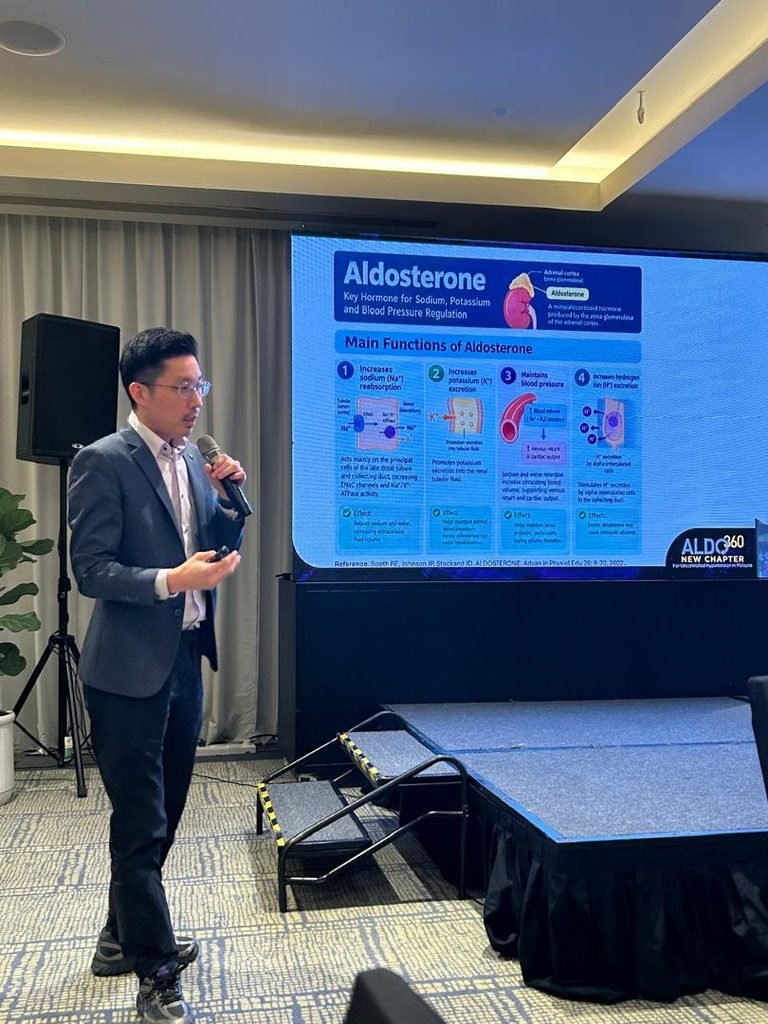
Aldosterone, a hormone involved in sodium retention and potassium regulation, plays a significant role in blood pressure control. Excessive aldosterone activity can contribute to resistant hypertension and cardiovascular and renal injury, making the aldosterone pathway an important target for ongoing research and therapeutic development.
From Challenge to Opportunity: Aldosterone Synthase Inhibitors
The programme featured an overview of aldosterone synthase inhibition, an emerging therapeutic approach designed to reduce aldosterone production at its source.
Prof. Guangming Tan, Clinical Assistant Professor and Interventional Cardiologist at The Chinese University of Hong Kong, presented the session “From Challenge to Opportunity: Exploring New Horizons in Hypertension Through Aldosterone.”
The discussion included BaxHTN, BaxAsia and Bax24, highlighting the evolving clinical research landscape surrounding aldosterone synthase inhibitors and their potential role in hypertension management.
As research progresses, important questions remain regarding patient selection, long-term efficacy, safety, electrolyte monitoring and the place of these agents alongside established antihypertensive treatments.
An Expert Dialogue on the Future of Hypertension Treatment
As chairperson, Dr Lim Wei Juan facilitated a multidisciplinary discussion involving experts from cardiology and nephrology, encouraging an exchange of perspectives on the practical implications of emerging evidence.
The panel included:
Prof. Guangming Tan – Clinical Assistant Professor and Interventional Cardiologist, The Chinese University of Hong Kong
Dr. Fu Mei Sian – Consultant Nephrologist and Physician, Regency Specialist Hospital
Assoc. Prof. Dr. Chow Yok Wai – Consultant Nephrologist, Pantai Hospital Ayer Keroh
Dr. Lim Wei Juan – Consultant Cardiologist and Physician, KPJ Johor Specialist Hospital
The dialogue explored how clinicians might recognise patients with uncontrolled hypertension who have features suggestive of aldosterone-driven disease, how aldosterone synthase inhibitors could fit into future treatment pathways, and what additional clinical evidence is needed before their broader adoption.
The session also incorporated case-based discussion and audience questions, connecting emerging scientific developments with real-world clinical decision-making.
What Does This Mean for Patients With Difficult-to-Control Blood Pressure?
For patients whose blood pressure remains elevated despite appropriate treatment, reassessing the underlying causes is essential. This may include evaluating medication adherence, lifestyle factors, secondary hypertension and conditions such as primary aldosteronism when clinically indicated.
Although aldosterone synthase inhibitors represent an exciting area of investigation, their ultimate role will depend on robust clinical trial evidence demonstrating meaningful benefits and an acceptable safety profile.
The expert dialogue underscored the importance of evidence-based treatment, individualised patient care and continued collaboration between cardiologists, nephrologists and other healthcare professionals.
Advancing Cardiovascular Care at KPJ Johor Specialist Hospital
As Consultant Cardiologist at KPJ Johor Specialist Hospital, Dr Lim Wei Juan remains committed to clinical education, multidisciplinary collaboration and advancing cardiovascular care.
Discussions such as this provide valuable opportunities for healthcare professionals to examine emerging evidence, challenge established approaches and consider how scientific advances may translate into better outcomes for patients with hypertension and cardiovascular disease.
The future of hypertension management will depend not only on new medications, but also on identifying the right patients, understanding the underlying mechanisms of disease and applying the best available evidence to everyday clinical practice.
Effective cardiovascular care extends beyond the consultation room. Pharmacists play an increasingly important role in helping patients understand their medications, improve adherence and achieve evidence-based treatment targets.
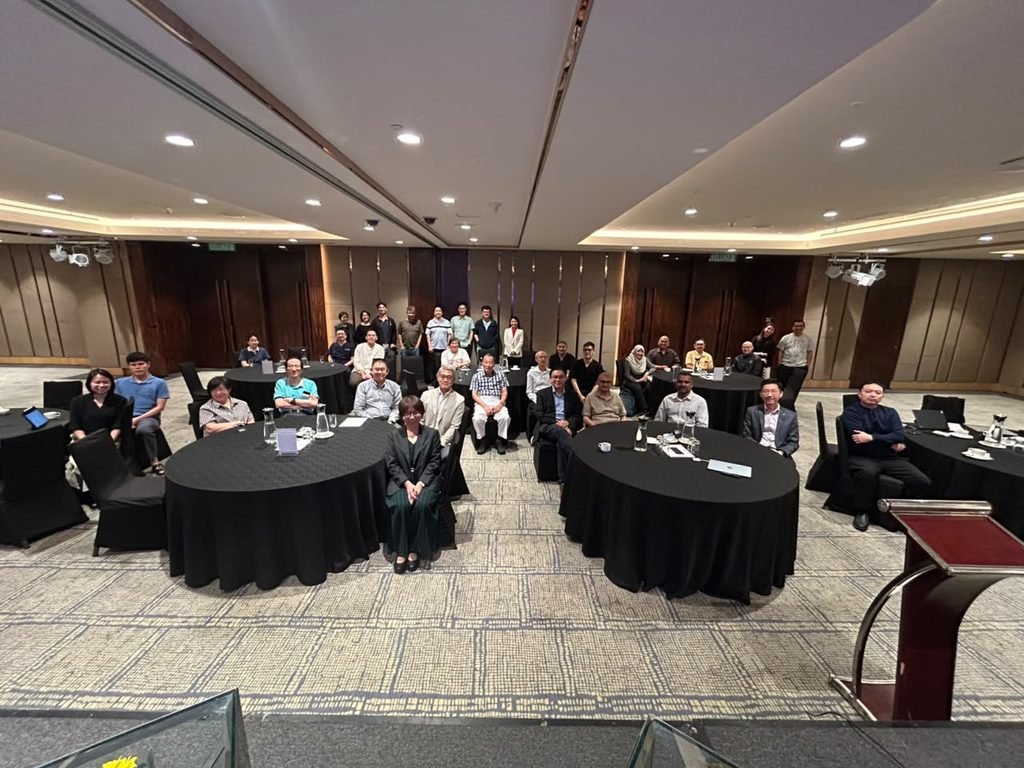
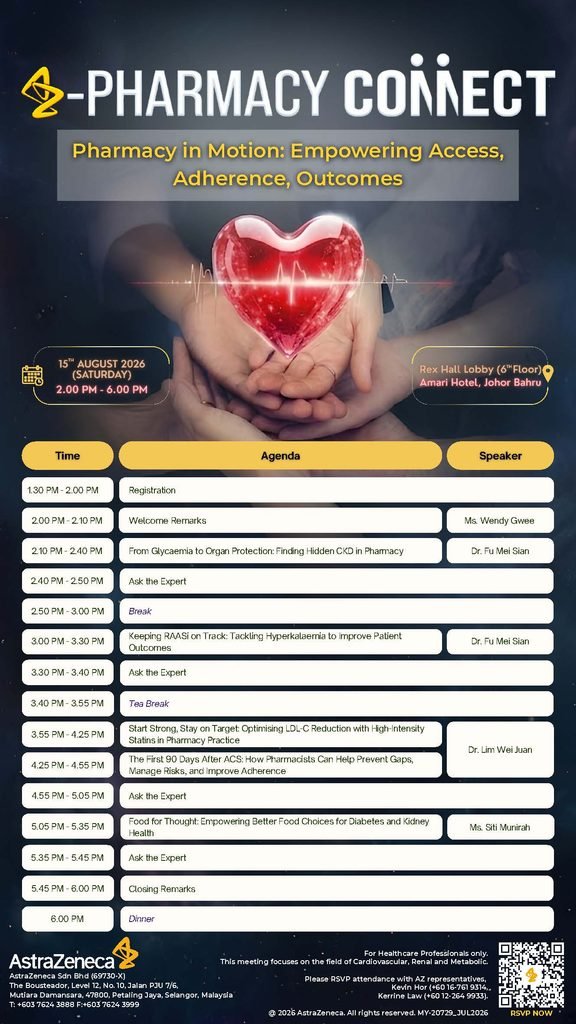
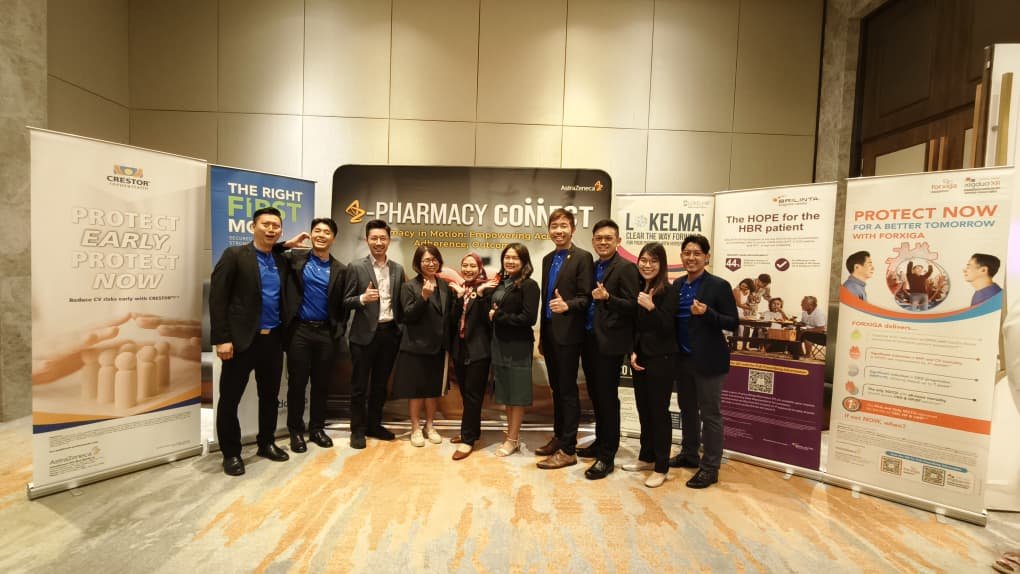
On 15 August 2026, healthcare professionals gathered at Amari Hotel, Johor Bahru, for Pharmacy in Motion: Empowering Access, Adherence, Outcomes, a professional education meeting focused on cardiovascular, renal and metabolic health.
The programme brought together experts from cardiology, nephrology and dietetics to discuss practical approaches to improving patient outcomes.
The event was chaired by Ms. Wendy Gwee Xin Yun, Senior Area Manager, Big Caring Group Berhad, with sessions delivered by healthcare professionals including Dr. Fu Mei Sian, Consultant Nephrologist at Regency Specialist Hospital, Dr. Lim Wei Juan, Consultant Cardiologist at KPJ Johor Specialist Hospital, and Ms. Siti Munirah Binti Mahmud, Head of Dietetics and Food Services at KPJ Pasir Gudang Specialist Hospital.
From Glycaemia to Organ Protection: Recognising Hidden CKD
The programme opened with a focus on chronic kidney disease and the important role pharmacists can play in recognising patients at risk.
Dr. Fu Mei Sian discussed “From Glycaemia to Organ Protection: Finding Hidden CKD in Pharmacy”, highlighting the importance of identifying kidney disease early and supporting appropriate management.
The discussion continued with practical strategies for maintaining renin-angiotensin-aldosterone system inhibitor therapy while managing hyperkalaemia, with the aim of improving long-term patient outcomes.
These topics reinforce the importance of collaboration between pharmacists, physicians and other healthcare professionals in managing patients with interconnected cardiovascular, renal and metabolic conditions.
Optimising LDL-C Reduction in Pharmacy Practice
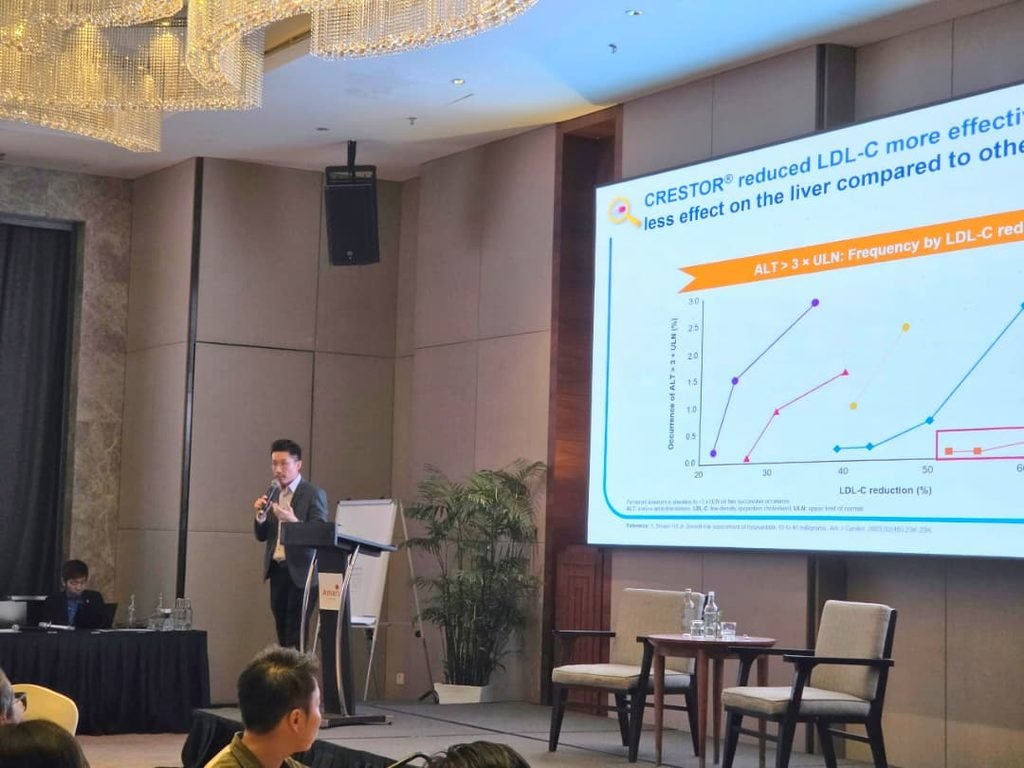
One of the cardiovascular-focused sessions was delivered by Dr. Lim Wei Juan, Consultant Cardiologist at KPJ Johor Specialist Hospital.
The presentation, “Start Strong, Stay on Target: Optimising LDL-C Reduction with High-Intensity Statins in Pharmacy Practice,” focused on the importance of achieving appropriate LDL-C reduction and maintaining patients on effective lipid-lowering therapy.
For patients at high cardiovascular risk, lipid management is not simply about starting treatment. Long-term success also depends on monitoring, adherence, addressing barriers to treatment and ensuring that therapy continues to be optimised according to the patient’s cardiovascular risk.
Pharmacists are ideally positioned to support this process through medication counselling, adherence checks and communication with the treating medical team.
The First 90 Days After Acute Coronary Syndrome
The programme also addressed a particularly important period in cardiovascular care: the first three months following an acute coronary syndrome (ACS).
The session “The First 90 Days After ACS: How Pharmacists Can Help Prevent Gaps, Manage Risks, and Improve Adherence” highlighted the role pharmacists can play during this critical period.
Following a heart attack or other ACS event, patients may be prescribed multiple medications and may have concerns about side effects, costs, dosing schedules or the duration of treatment.
Medication adherence and early follow-up therefore become important components of secondary prevention.
A coordinated approach between cardiologists, pharmacists, primary care doctors and patients can help address these practical barriers and support continuity of cardiovascular treatment.
Beyond Cardiovascular Disease: A Multidisciplinary Approach
The programme also incorporated nutritional management, with Ms. Siti Munirah Binti Mahmud presenting “Food for Thought: Empowering Better Food Choices for Diabetes and Kidney Health.”
The combination of cardiology, nephrology, pharmacy and dietetics reflects the increasingly interconnected nature of cardiovascular, renal and metabolic disease.
Many patients live with several risk factors simultaneously, including diabetes, hypertension, dyslipidaemia and chronic kidney disease. Managing these conditions effectively requires more than focusing on a single number or single medication.
Empowering Pharmacists to Improve Patient Outcomes
The Pharmacy in Motion 2026 programme provided an opportunity for healthcare professionals to exchange practical knowledge across different areas of cardiovascular, renal and metabolic medicine.
For pharmacists, understanding cardiovascular risk, lipid management and post-ACS care can help strengthen their role in long-term patient management.
Ultimately, better outcomes depend not only on prescribing the right treatment, but also on ensuring that patients understand their therapy, remain adherent and receive appropriate follow-up.
Events such as Pharmacy in Motion provide an important platform for strengthening collaboration between healthcare professionals and translating clinical knowledge into better patient care.
Pharmacy in Motion: Empowering Access, Adherence, Outcomes was held on 15 August 2026 at Amari Hotel, Johor Bahru, as a healthcare-professional meeting focused on cardiovascular, renal and metabolic health.
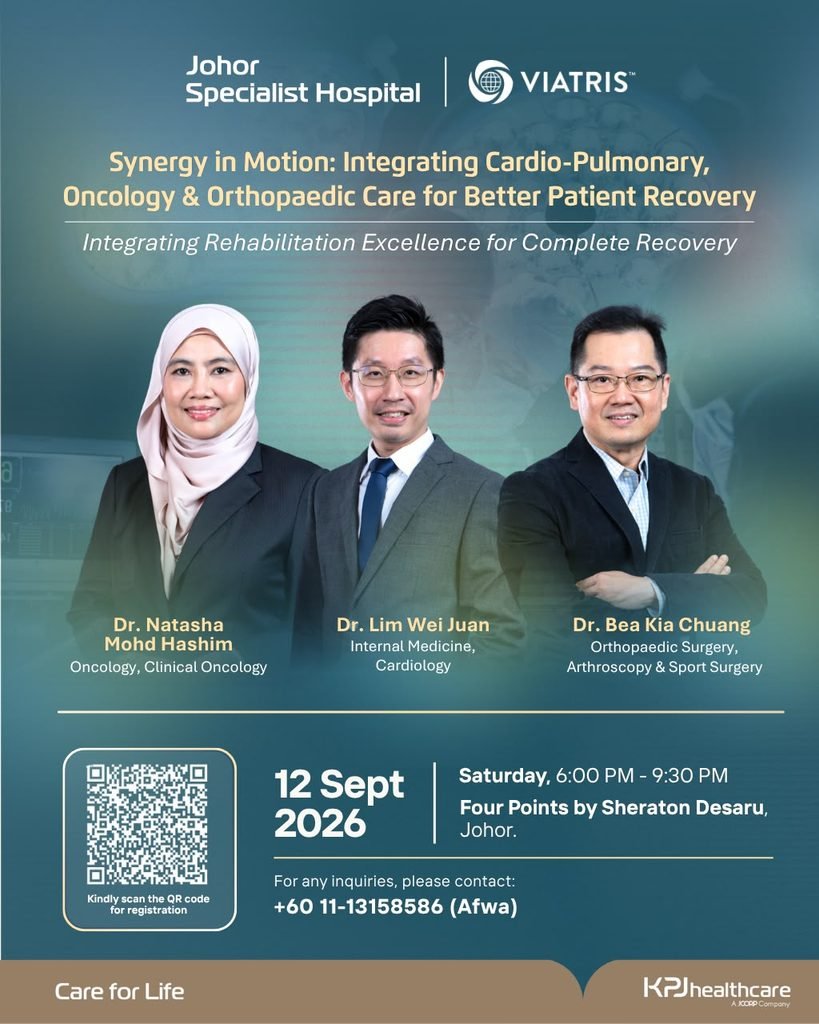
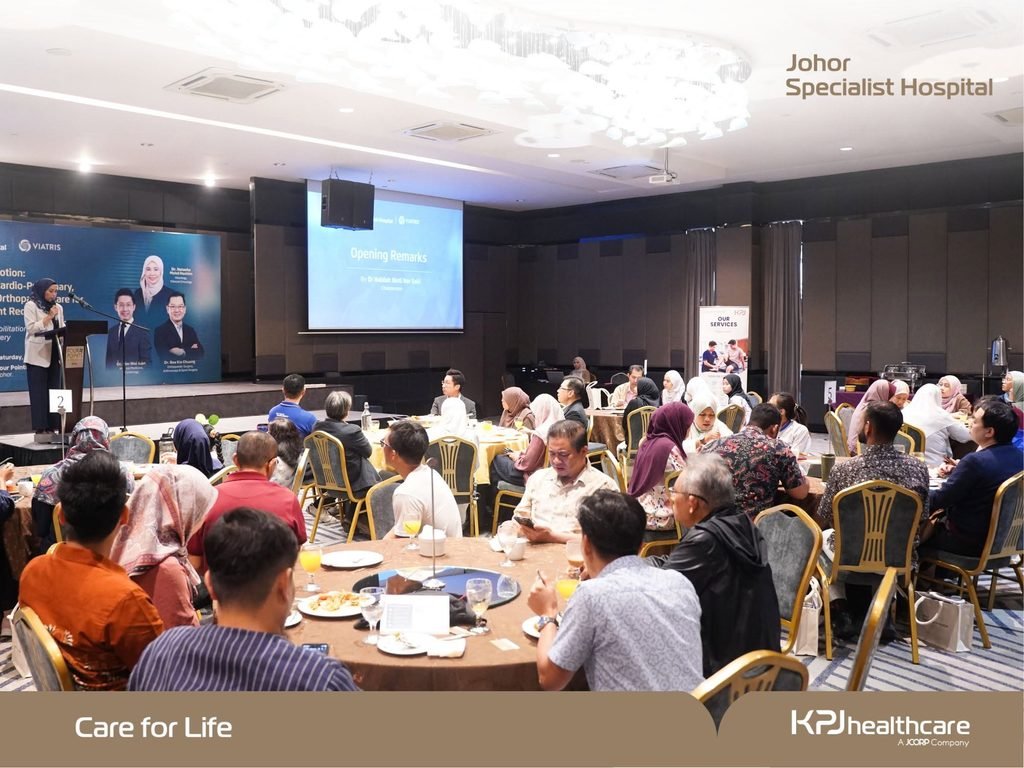
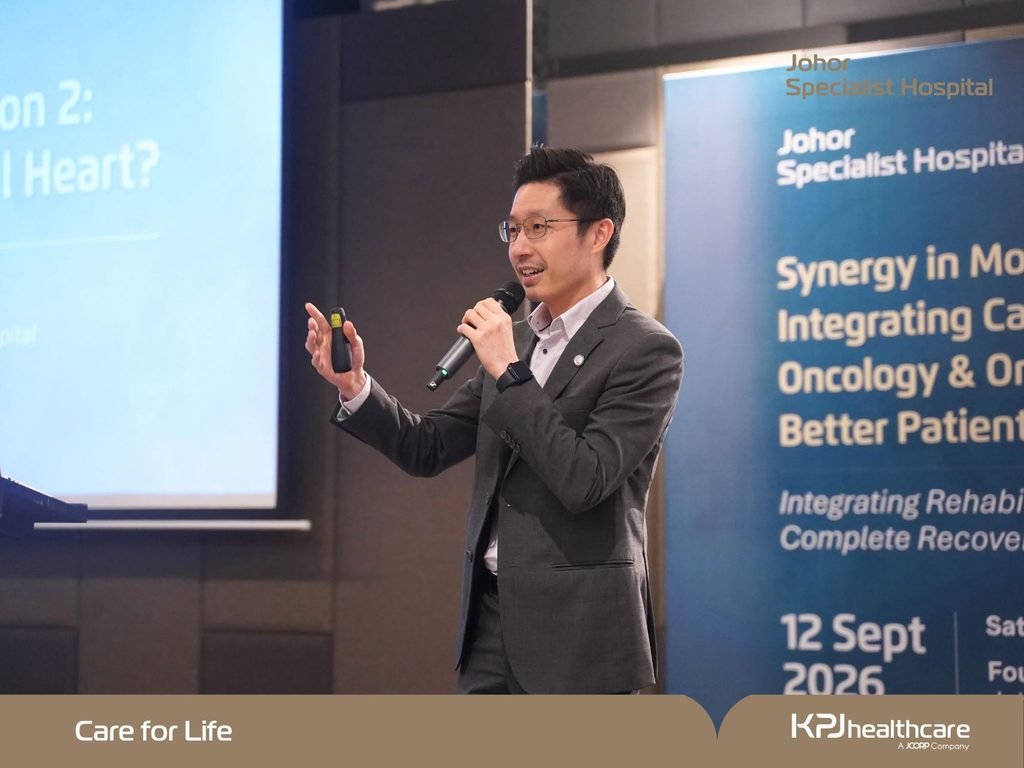
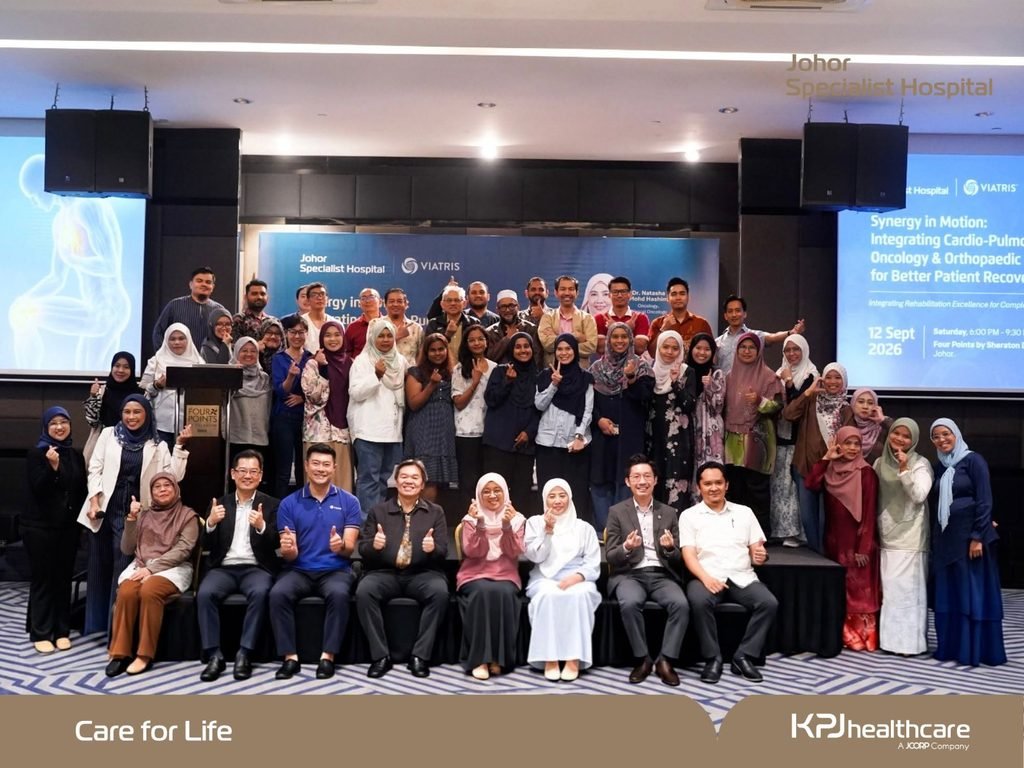
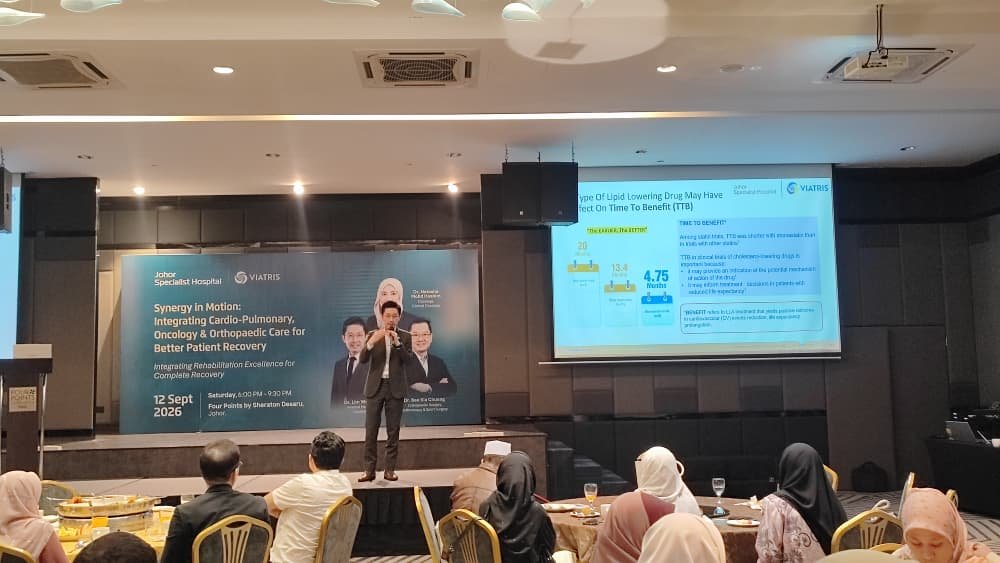
It was a pleasure and privilege to be invited as a speaker at a recent multidisciplinary medical symposium organised by Johor Specialist Hospital (JSH) in collaboration with Viatris, held at Four Points by Sheraton Desaru.
Set against the relaxed surroundings of Desaru, the evening brought together healthcare professionals for an engaging programme covering oncology, cardiology, orthopaedics and pain management.
I was honoured to represent the cardiology session with my talk:
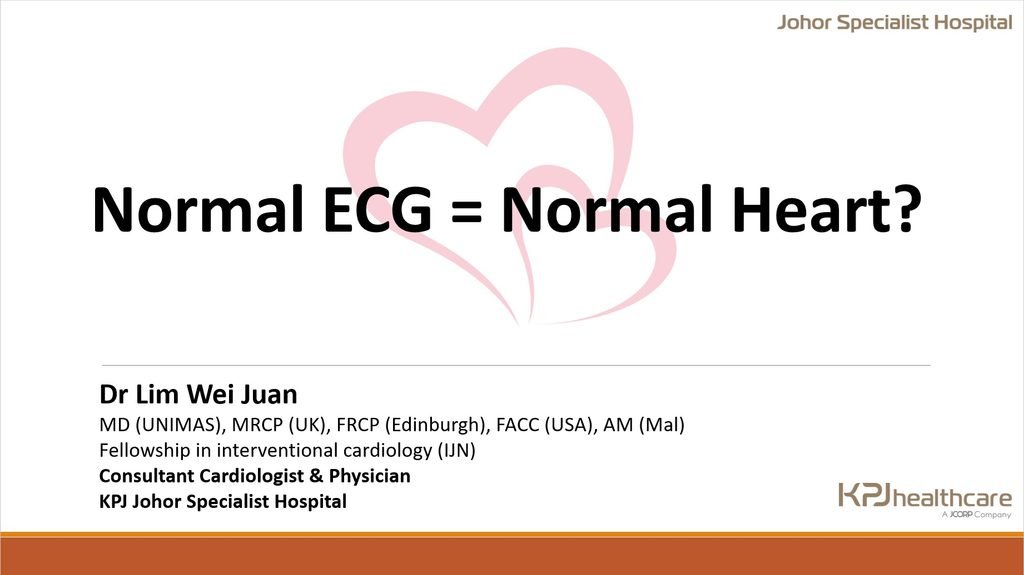
❤️ “Normal ECG = Normal Heart?”
The ECG is one of the most fundamental investigations in cardiovascular medicine. It is readily available, non-invasive and provides valuable information about the heart’s electrical activity.
A Normal ECG Does Not Always Exclude Heart Disease
A resting ECG can provide important information about heart rhythm, previous myocardial infarction, conduction abnormalities and certain patterns of cardiac disease.
However, some patients with significant cardiovascular disease may have a normal resting ECG, particularly when they are not experiencing symptoms at the time of the test.
For example, patients with coronary artery disease may have a normal resting ECG despite having significant coronary artery narrowing.
This is why cardiovascular assessment should not rely on the ECG alone.
Instead, we need to consider the complete clinical picture:
Provides information about heart structure, pumping function, chamber size and heart valves.
🏃 Exercise Stress Test
Can assess the heart’s response to exercise and help identify inducible myocardial ischaemia in selected patients.
🩻 CT Coronary Angiography
A non-invasive method of visualising the coronary arteries and assessing for coronary atherosclerosis and stenosis.
🔢 Coronary Calcium Score
Can help quantify calcified coronary plaque and contribute to cardiovascular risk assessment in selected patients.
🩺 Invasive Coronary Angiography
Provides detailed assessment of the coronary arteries and, when necessary, allows treatment to be performed during the same procedure.
The ECG Is a Starting Point — Not Always the Final Answer
One of the key messages I wanted to share during the session was that a medical test should always be interpreted within the appropriate clinical context.
A patient with chest discomfort and cardiovascular risk factors may require further evaluation even when the resting ECG appears normal.
Conversely, not every patient with a normal ECG requires extensive cardiac investigations.
The important principle is to identify which patient needs further assessment and which investigation is most appropriate.
An Evening of Multidisciplinary Learning
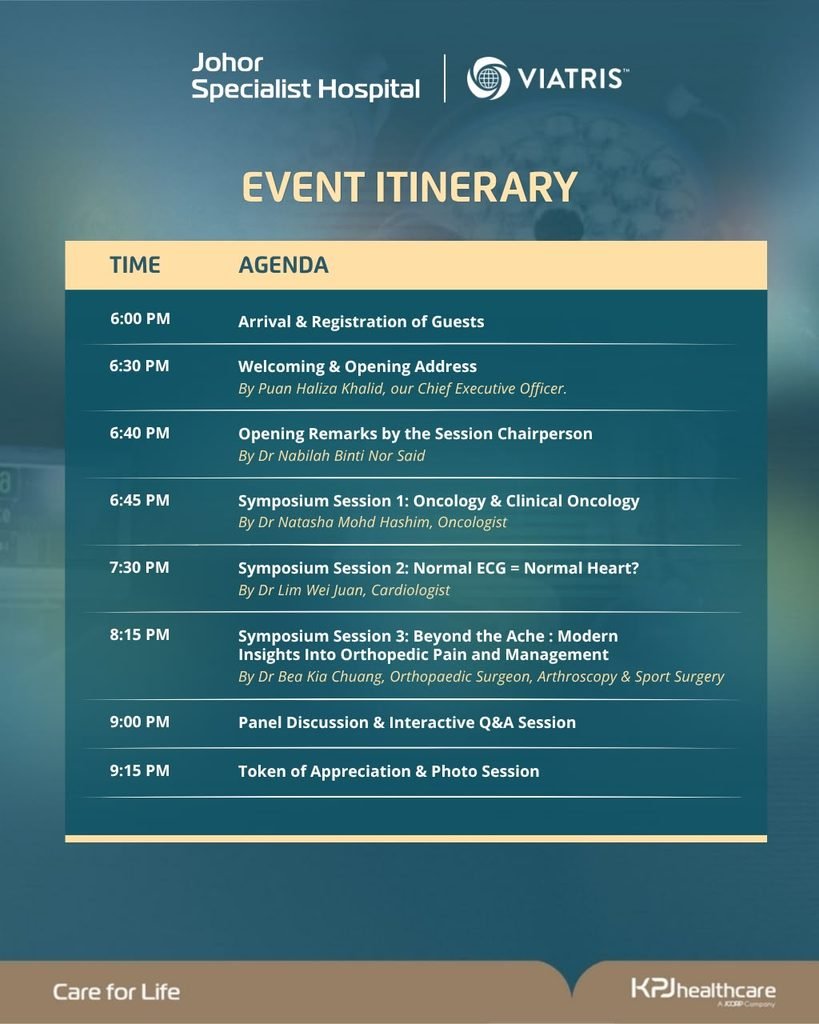
The symposium featured an excellent range of topics from different medical specialties.
The programme included:
Dr Natasha Mohd Hashim, Oncologist Oncology & Clinical Oncology
Dr Lim Wei Juan, Cardiologist Normal ECG = Normal Heart?
Dr Bea Kia Chuang, Orthopaedic Surgeon, Arthroscopy & Sport Surgery Beyond the Ache: Modern Insights Into Orthopedic Pain and Management
The sessions were followed by a panel discussion and interactive Q&A, providing an opportunity for further discussion and exchange of clinical experiences among the participants.
I would like to thank Johor Specialist Hospital and Viatris for the kind invitation and for organising this meaningful educational programme.
It was a privilege to share cardiology insights with fellow healthcare professionals, and especially to discuss an important message that we encounter frequently in clinical practice:
A normal ECG is reassuring, but it does not always mean a normal heart.
Coronary complex angioplasty has transformed the treatment of coronary artery disease. For many patients, a narrowed coronary artery can be treated safely with a balloon and coronary stent.
However, not every coronary blockage is straightforward.
Some patients have severely narrowed arteries with extensive calcium deposits. These are known as heavily calcified coronary lesions, and they can make angioplasty significantly more challenging.
In these situations, specialised techniques such as complex coronary angioplasty, rotational atherectomy (rotablation) and intravascular lithotripsy (IVL) may be used to prepare the artery before stent implantation.
What Is Coronary Complex Angioplasty?
Complex coronary angioplasty, also known as complex PCI (percutaneous coronary intervention), refers to angioplasty procedures that are technically more challenging than routine coronary stenting.
Complex PCI may be required when a patient has:
Heavily calcified coronary arteries
Chronic total occlusion (CTO)
Long or multiple coronary blockages
Complex bifurcation lesions
Narrow or tortuous coronary arteries
Previously failed angioplasty
Multiple previous stents
Diffuse coronary artery disease
Left main or other high-risk coronary lesions
These procedures often require advanced equipment, specialised techniques and careful planning.
The goal is not simply to open the artery, but to create the best possible environment for the coronary stent to expand fully and remain effective over the long term.
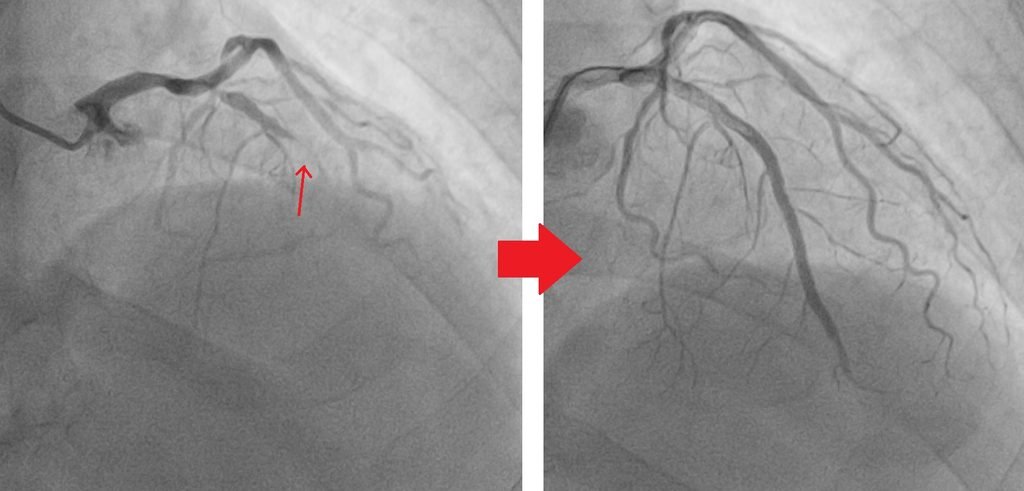
CTO mid LAD, crossed with Fielder-XTA then 2 stents at LAD
Why Is Calcium in the Coronary Artery a Problem?
Calcium can build up inside the walls of coronary arteries over many years.
Mild calcium may not cause major technical difficulties. However, severe calcification can make the artery extremely hard.
A conventional balloon may have difficulty crossing or expanding the lesion.
More importantly, even if a balloon and stent can be delivered, a severely calcified artery may prevent the stent from expanding properly.
Why is good stent expansion important?
A coronary stent is designed to act as a scaffold that keeps the artery open.
If the stent does not expand adequately, there may be a higher risk of complications, including:
Stent under-expansion
Blood clot formation inside the stent
Re-narrowing of the artery
Need for another procedure
Therefore, in heavily calcified lesions, calcium modification before stent implantation is often a crucial part of successful PCI.
What Is Rotablation?
Rotational atherectomy, commonly called rotablation, is an advanced technique used to modify heavily calcified coronary plaques.
During rotablation, a small diamond-coated burr is carefully advanced through the calcified coronary lesion.
The burr rotates at very high speed and modifies the hard calcium, allowing the lesion to become more compliant.
The objective is not usually to remove a large amount of plaque.
Instead, rotablation helps modify the calcium and facilitate balloon expansion and subsequent stent delivery.
When might rotablation be considered?
Rotablation can be particularly useful when:
The lesion is severely calcified
A balloon cannot cross the lesion
A balloon cannot adequately expand
The calcium is extensive or concentric
Stent delivery is expected to be difficult
Previous balloon-based calcium modification has been unsuccessful
Rotablation requires significant operator experience because the procedure involves specialised equipment and careful control of the burr, guidewire and coronary anatomy.
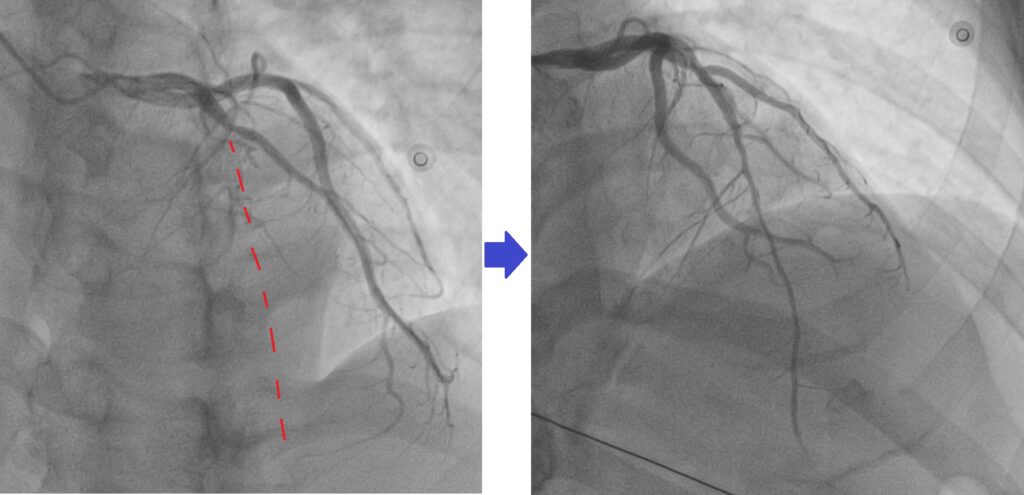
CTO LAD with Subtotal LCx, crossed with Conquest Pro 12, T stenting LM/LAD/LCx in high risk EF 25% with IABP
What Is Intravascular Lithotripsy (IVL)?
Another important technology for treating heavily calcified coronary arteries is intravascular lithotripsy (IVL).
IVL uses a specialised balloon catheter that delivers controlled acoustic pressure waves inside the coronary artery.
These pressure waves can create fractures within the calcium.
Once the calcium is modified, the artery becomes more capable of expanding with balloon inflation.
The final objective is to allow the coronary stent to achieve better expansion and apposition.
Rotablation vs IVL: What Is the Difference?
Both techniques are designed to modify calcium, but they work differently.
Feature
Rotablation
IVL
Main mechanism
High-speed rotating diamond-coated burr
Acoustic pressure waves
Primary purpose
Modify severe calcium
Fracture/modulate calcium
Balloon required
No
Yes
Useful for undilatable lesions
Yes
Yes, if balloon can cross
Useful when lesion cannot be crossed
Often useful
May not be possible if IVL balloon cannot cross
Main strength
Excellent for severe, difficult calcium and balloon-uncrossable lesions
Controlled calcium modification with balloon-based therapy
The choice between rotablation and IVL depends on the location, severity and distribution of calcium, lesion anatomy, balloon crossing and expansion, and the overall complexity of the PCI.
In selected cases, more than one calcium-modification strategy may be required.
How Do Cardiologists Know How Much Calcium Is Present?
Coronary angiography provides important information, but angiography alone may not fully define the extent of calcium.
Advanced intravascular imaging can provide much more detailed information.
Intravascular Ultrasound (IVUS)
IVUS uses ultrasound from inside the coronary artery to assess:
Vessel size
Plaque burden
Calcium
Stent expansion
Stent apposition
Optical Coherence Tomography (OCT)
OCT uses near-infrared light to provide high-resolution images of the coronary artery.
It can help assess the characteristics and distribution of calcium and evaluate the final stent result.
In complex PCI, intravascular imaging can therefore help with planning, calcium modification and optimisation of stent implantation.
What Happens During Complex Angioplasty?
Every case is different, but a complex PCI involving severe calcification may follow several important steps.
1. Careful assessment
The coronary angiogram is reviewed to determine the severity and complexity of the blockage.
Where appropriate, IVUS or OCT may be used to understand the vessel and calcium more accurately.
2. Crossing the lesion
A specialised coronary guidewire is carefully advanced across the narrowed segment.
In complex lesions, this can sometimes be one of the most technically challenging parts of the procedure.
3. Calcium modification
Depending on the anatomy, the cardiologist may use:
Rotablation
IVL
High-pressure or specialised balloons
Other calcium-modification techniques
4. Balloon preparation
Once the calcium has been modified, balloon angioplasty is performed to prepare the artery for stent implantation.
5. Coronary stent implantation
A drug-eluting stent is positioned across the diseased segment and expanded.
6. Stent optimisation
The final result is carefully assessed.
IVUS or OCT may be used to confirm that the stent has expanded adequately and is properly positioned against the artery wall.
This final step is particularly important in complex PCI.
Is Rotablation or IVL Better?
There is no single technique that is best for every patient.
The choice depends on the specific coronary anatomy.
For example, rotablation may be particularly useful when the lesion is extremely hard or when a balloon cannot cross the blockage.
IVL can be particularly attractive when the balloon can cross the lesion but the calcium prevents adequate expansion.
In some complex cases, techniques may be combined.
The important principle is:
The treatment should be tailored to the anatomy rather than choosing one technology for every patient.
Is Complex Angioplasty Safe?
Modern complex PCI techniques have significantly expanded the range of coronary lesions that can be treated percutaneously.
However, complex angioplasty is still more technically demanding than routine PCI.
Potential complications include:
Coronary artery dissection
Coronary perforation
Slow or no-reflow
Vessel closure
Bleeding or vascular complications
Heart attack
Abnormal heart rhythm
Kidney injury related to contrast
Emergency surgery in rare situations
The risk depends on the patient’s overall condition and the complexity of the coronary anatomy.
For this reason, complex PCI should be performed by an experienced interventional cardiology team with appropriate equipment and support.
Can Heavily Calcified Coronary Arteries Be Treated Without Bypass Surgery?
In selected patients, yes.
The availability of advanced PCI techniques means that some patients with complex coronary disease can be treated using minimally invasive catheter-based procedures.
However, PCI and coronary artery bypass surgery (CABG) are not competing treatments in every situation.
For patients with extensive multivessel disease, left main disease, diabetes or other high-risk anatomical features, CABG may provide better long-term outcomes in selected circumstances.
The decision should therefore be individualised after reviewing the patient’s symptoms, coronary anatomy, heart function, medical conditions and surgical risk.
Why Experience Matters in Complex PCI
Complex coronary angioplasty requires more than simply having advanced equipment.
Successful treatment depends on:
Detailed assessment of coronary anatomy
Appropriate guide catheter and guidewire selection
Understanding of calcium distribution
Choosing the correct calcium-modification strategy
Careful balloon and stent sizing
Intravascular imaging when appropriate
Management of potential complications
Appropriate patient selection
Rotablation and IVL are powerful technologies, but they are tools within a broader complex PCI strategy.
The ultimate goal is always the same: to restore blood flow safely while achieving an optimal and durable stent result.
Take-Home Message
Heavily calcified coronary arteries can make angioplasty significantly more challenging.
Fortunately, advances in interventional cardiology have provided several techniques to overcome these difficult lesions.
Rotablation uses a high-speed diamond-coated burr to modify severe calcium, while intravascular lithotripsy (IVL) uses acoustic pressure waves to fracture calcium within the artery.
When combined with modern balloons, coronary stents and intravascular imaging such as IVUS and OCT, these technologies can allow experienced interventional cardiologists to treat many patients with complex coronary artery disease.
If you have been told that your coronary arteries are “heavily calcified,” “too hard for a balloon,” or “difficult to stent,” it may be worthwhile to discuss whether advanced calcium-modification techniques such as rotablation or IVL are appropriate for your particular anatomy.
Complex coronary disease requires an individualised treatment strategy. The right technique depends on the patient’s coronary anatomy, clinical condition and procedural risk.
Do contact Dr Lim Wei Juan Consultant Cardiologist at KPJ Johor Specialist Hospital
Dr Lim Wei Juan highlights that heart health matters wherever you are.
It was a pleasure to be invited by Belinda Properties Group.
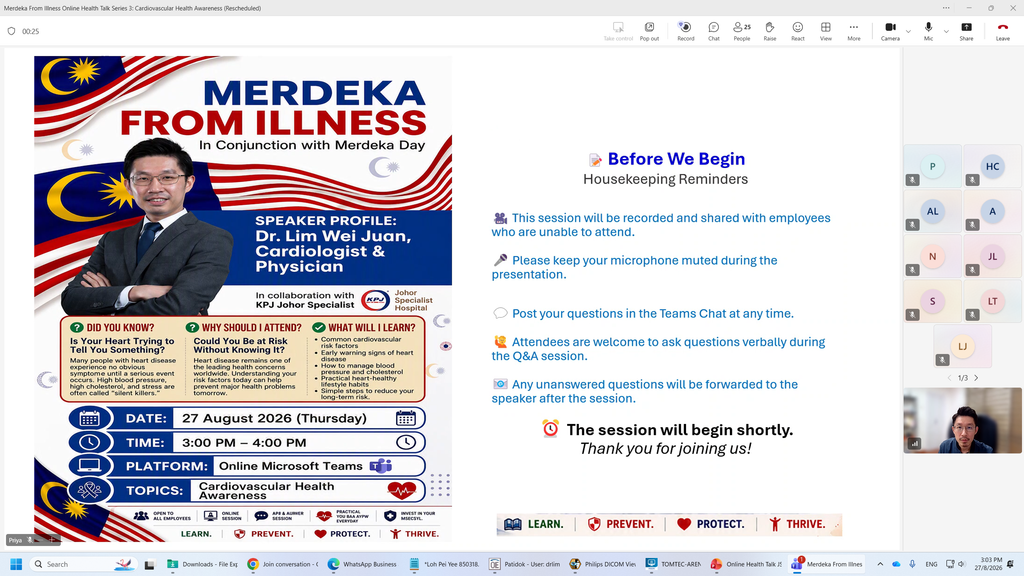
Dr Lim Wei Juan was invited to conduct an online talk on Heart Health for their team.
During the session, we discussed key aspects of cardiovascular health. These include understanding high blood pressure, cholesterol, and diabetes, recognizing the warning signs of a heart attack, and, most importantly, how we can prevent heart disease before it happens.
🫀 A healthy heart is not just about treating disease — it is about prevention.
Simple lifestyle choices can make a difference to long-term heart health. They include maintaining a healthy weight, exercising regularly, and eating a balanced diet. Also, controlling blood pressure and cholesterol, avoiding smoking, and having regular health assessments matter, says Dr Lim Wei Juan.
Thank you to Belinda Properties Group for the kind invitation and for giving me the opportunity to share these important messages with your team.
Whether it is in the clinic, hospital, or through an online platform, I believe that health education is an important part of preventing cardiovascular disease.
Stay active. Know your numbers. Take care of your heart. ❤️