Mastering CTO Interventions: Highlights from Dr Makoto Sekiguchi

omegakimia@yahoo.com
Posted in Workshop

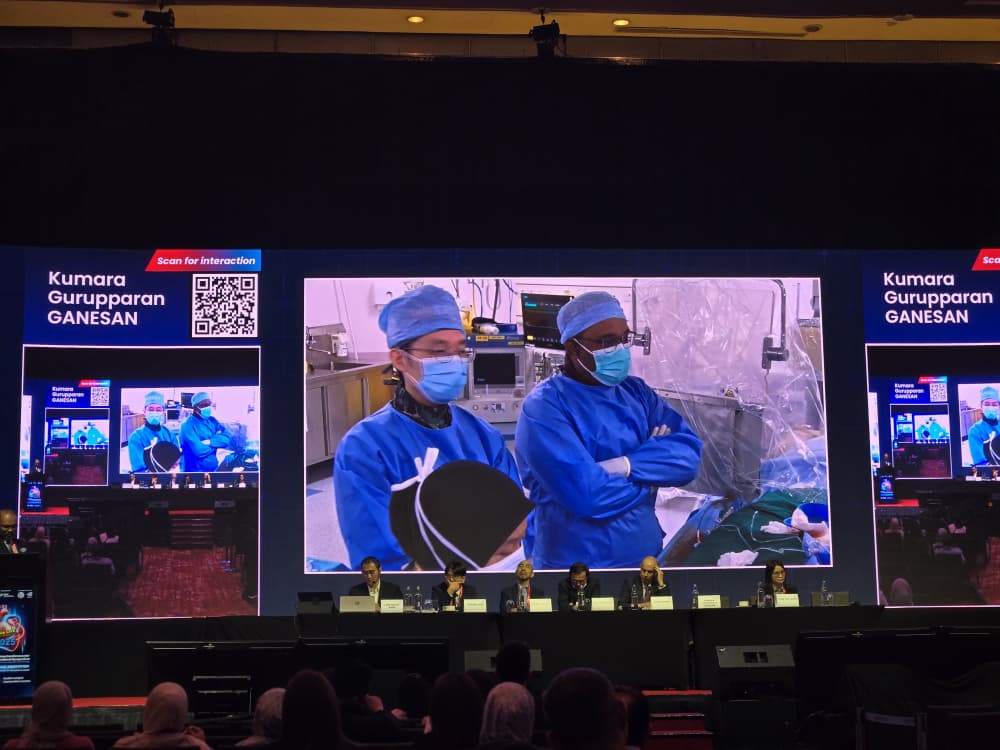
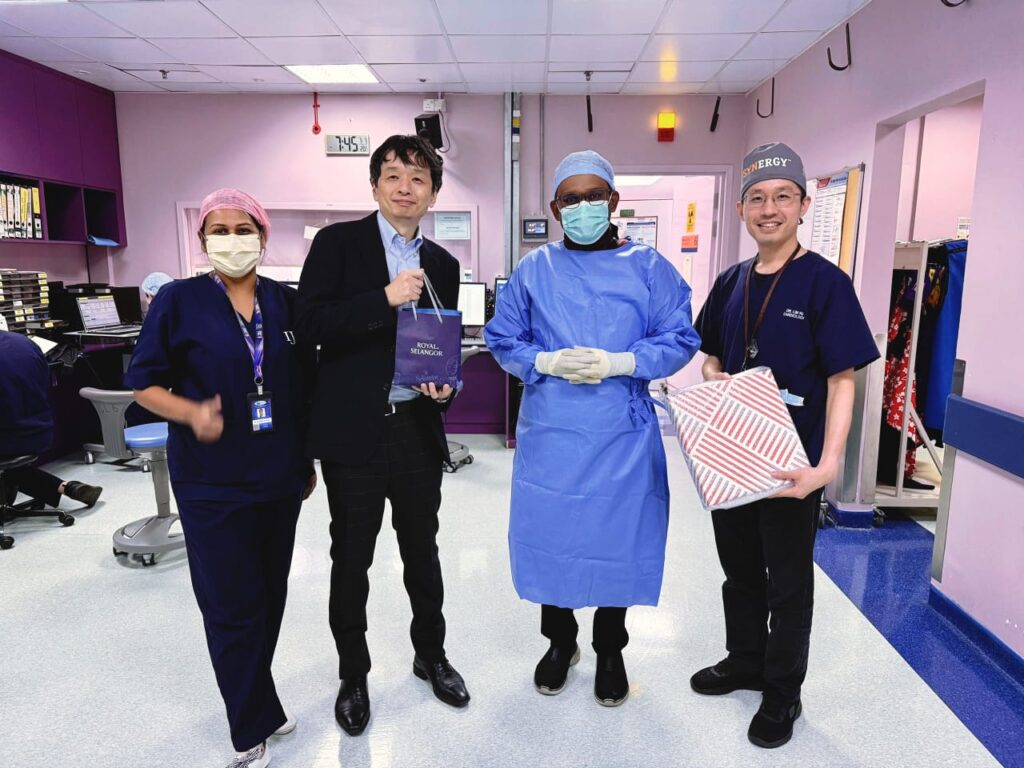
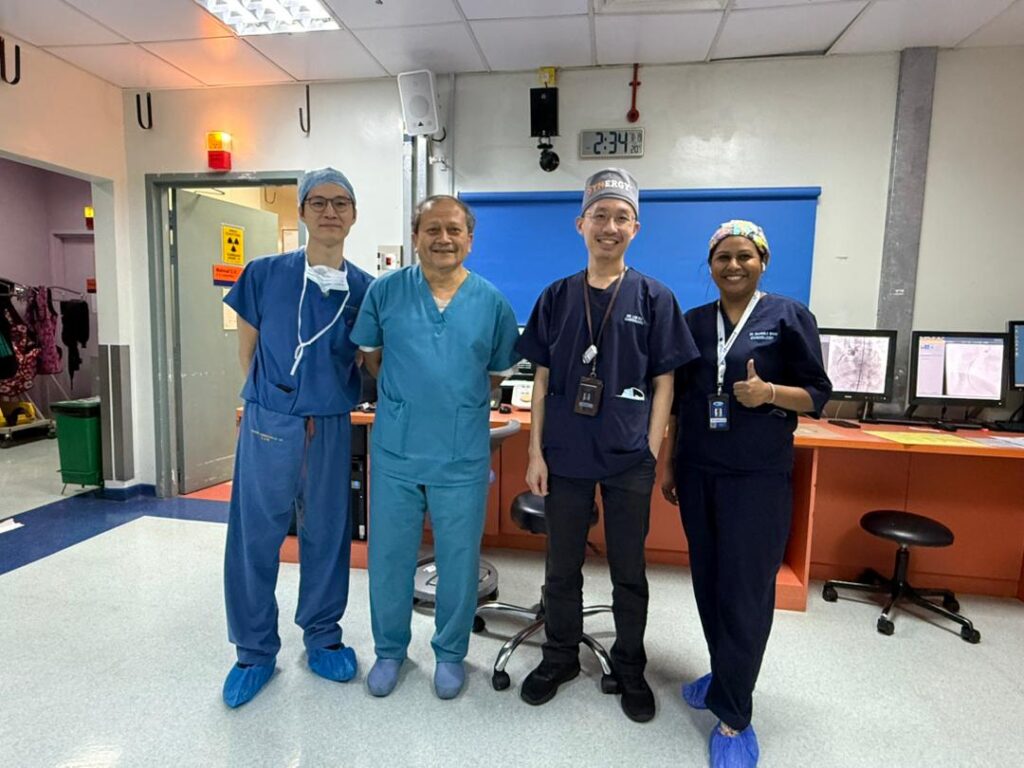
The Institut Jantung Negara (IJN) recently played host to a world-class medical event: a specialized workshop on Chronic Total Occlusion (CTO) interventions, led by none other than Dr Makoto Sekiguchi, a renowned interventional cardiologist from Japan. The highly anticipated workshop was graciously hosted by Datuk Dr Kumara Gurupparan, Senior Consultant Cardiologist at IJN and a key figure in advancing cardiovascular care in Malaysia.

This immersive workshop purpose is to learn from one of the pioneers in the complex world of CTO PCI (Percutaneous Coronary Intervention).
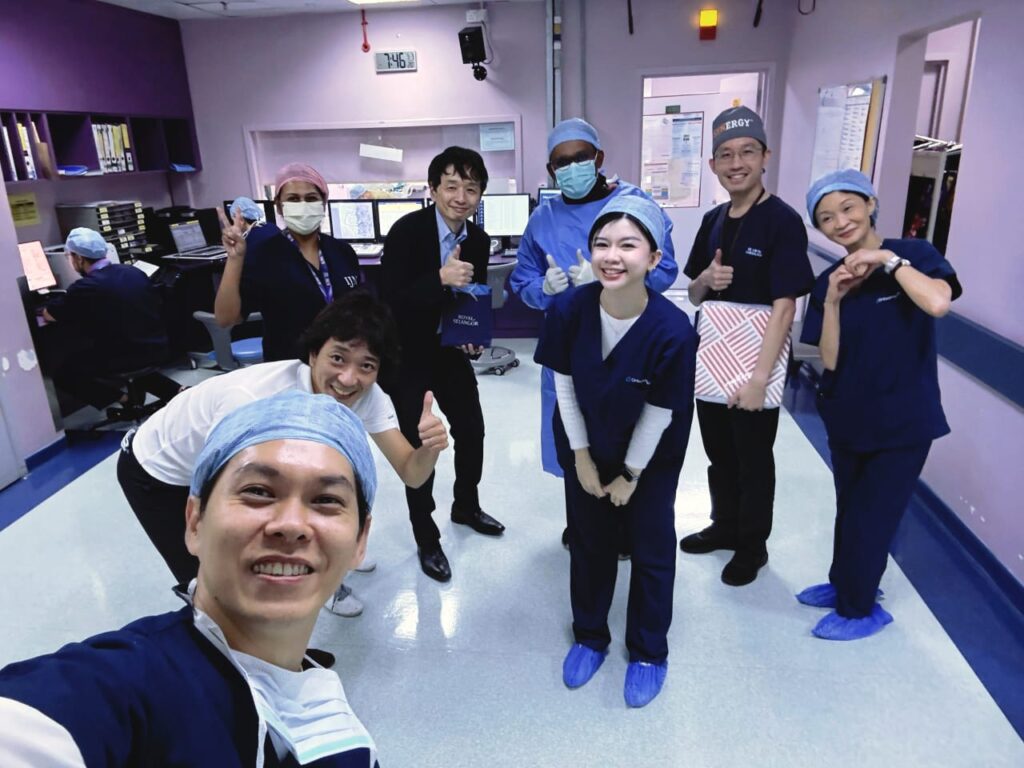

Dr Makoto Sekiguchi

Who Is Dr. Makoto Sekiguchi?

Dr Makoto Sekiguchi is internationally recognized for his expertise in complex coronary interventions, particularly CTOs—a condition where a coronary artery is completely blocked for more than three months. With years of hands-on experience and contributions to evolving CTO techniques, Dr Makoto Sekiguchi brings not just technical skills but a philosophy of precision and patience in treating difficult cases.


Workshop Highlights

📍 Venue: Institut Jantung Negara (IJN), Kuala Lumpur
🗓️ Date: 9 September 2025
🎤 Hosted by: Datuk Dr. Kumara Gurupparan

Key highlights of the workshop included:

  • Live Case Demonstrations: Dr Makoto Sekiguchi performed step-by-step CTO procedures using antegrade and retrograde approaches, providing real-time insights into strategy and device selection.
  • Advanced Imaging Techniques: The use of IVUS (Intravascular Ultrasound) and CTO-specific hardware like microcatheters and guidewires was showcased to enhance procedural success.
  • Interactive Discussions: Attendees engaged in Q&A sessions, delving into case-specific strategies, complications, and evidence-based decision-making.

The Role of IJN and Datuk Dr. Kumara

Under the leadership of Datuk Dr Kumara, IJN continues to cement its role as a regional center of excellence for cardiovascular education and innovation. By hosting such high-caliber international faculty, IJN ensures that local and regional practitioners remain at the forefront of evolving cardiology practices.

Why CTO PCI Matters

Chronic Total Occlusions are among the most challenging lesions faced by interventional cardiologists. With advancements in techniques and technology, successful CTO revascularization is no longer a rarity. Workshops like this not only empower physicians but directly improve patient outcomes by expanding the toolbox of modern PCI.


Final Thoughts

The CTO workshop by Dr Makoto Sekiguchi was more than just a medical training session—it was a milestone in clinical education in Southeast Asia. With committed leaders like Datuk Dr. Kumara and institutions like IJN, the region is poised for continued excellence in complex cardiovascular care.
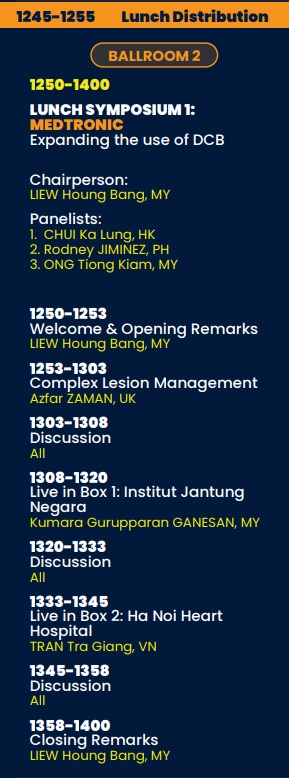
MyLive 2025 Live-in-the-Box: Tackling Complex LAD-Diagonal Bifurcation Lesions

omegakimia@yahoo.com
Posted in Conference

1. Introduction (MyLive 2025)

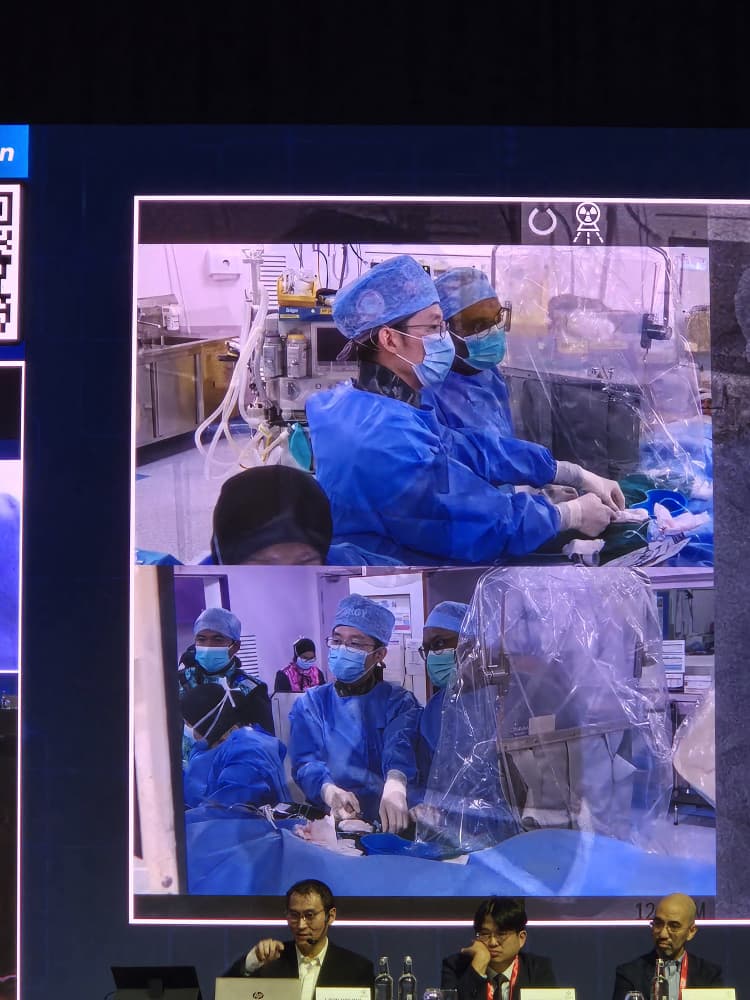
MyLive 2025: Bifurcation lesions—where a main vessel divides into two branches—remain one of the toughest challenges in percutaneous coronary intervention (PCI). When combined with heavy calcification and tortuosity, the complexity increases dramatically. The “Live-in-the-Box” session at MyLive 2025 featured an advanced hybrid strategy in one such case: a severely calcified and tortuous LAD-diagonal bifurcation, treated with rotational atherectomy (RA, also known as rota) and a tailored stenting approach.


MyLive 2025

2. Case Summary

  • Patient profile: High risk, with an LAD-diagonal bifurcation lesion showing heavy calcification and tortuosity.
  • Objective: Optimize luminal gains while minimizing risk to both LAD and its diagonal branch.

3. Technique & Strategy

A. Preparing the lesion—Rotational Atherectomy

  • The case utilized rotablation in the LAD & diagonal to modify heavily calcified plaque. This helps facilitate stent delivery and expansion.
  • Key points:
    • Rotational burr selection tailored to vessel size and lesion length.
    • Use of small step-downs, short ablations, pecking technique to prevent complications.

B. Hybrid Bifurcation Stenting Strategy

Instead of a standard single- or two-stent technique, the operators applied a hybrid approach. Hybrid here means combining devices and techniques from multiple established bifurcation strategies to suit lesion anatomy:

  • Provisional stenting of the main vessel (LAD) with an option to “convert” to a two-stent technique if the side branch (Diagonal) was compromised.
  • Use of jailing of the diagonal wire, with preparation for further treatment (kissing balloon, TAP, mini-crush, etc.), depending on side-branch quality and flow.
  • Precise final optimization with proximal optimization technique (POT) to ensure good stent scaffold at the bifurcation and avoid malapposition.

4. Procedural Highlights & Nuances

  • Rail-backup & guiding catheter: Adequate support was essential due to vessel tortuosity.
  • Wire strategy: Dual wire setup; careful placement in both LAD and diagonal. Possibly use of anchoring or buddy wire.
  • Imaging: Intravascular imaging (IVUS or OCT) likely used to assess calcium burden, vessel diameter, assess depth of burr pass, and confirm stent expansion and apposition.
  • Stent selection & deployment: Drug-eluting stents sized for LAD; side-branch may have been managed with a smaller stent or balloon depending on flow. Common two-stent methods (e.g., TAP, mini-crush) used when needed.

5. Outcomes from the Live Case

  • Restoration of lumen in both LAD and diagonal; excellent flow (TIMI 3) post-procedure.
  • No major complications (no perforation, no severe dissection, minimal side-branch compromise).
  • Optimal stent expansion confirmed, side-branch preserved.

6. Lessons Learned & Clinical Pearls

ChallengeApproachKey Take-home
Heavy calcification impeding stent passageUse of rotational atherectomy in LAD (and diagonal if needed)RA should be considered early in severely calcified bifurcations
Risk to side-branch (diagonal) during LAD stentingWire protection; readiness to convert to two-stent strategyA hybrid plan allows flexibility
Ensuring stent scaffold geometryUse of POT; possibly kissing balloon techniqueProper final optimization yields better long-term outcomes
Imaging under-utilised in many centersUse of IVUS/OCT guides decisions on calcium modification, sizing, appositionImaging is not optional—it’s critical in complex anatomy

7. Context & Implications for Practice

This case demonstrates the evolution from rigid technique selection (ergo always provisional or always two-stent) toward lesion-tailored hybrid strategies, especially in bifurcations with heavy calcium. It underscores:

  • Interventionist adaptability: being ready to switch strategy mid-procedure.
  • Calcium modification (rotablation, shockwave, lithotripsy) often necessary before stenting in complex lesions.
  • Role of imaging and precise stent deployment techniques for procedural success and long-term vessel patency.

8. Conclusion

The “Live-in-the-Box” LAD-diagonal bifurcation case by Drs. Kumara & Lim at MyLive 2025 encapsulated the frontier of PCI: blending calcium modification with a hybrid bifurcation strategy to approach an unforgiving lesion. For interventional cardiologists, this underscores that success in complex bifurcations relies not just on technical mastery, but on procedural planning, anatomical assessment, adaptable strategy, and diligent optimization.

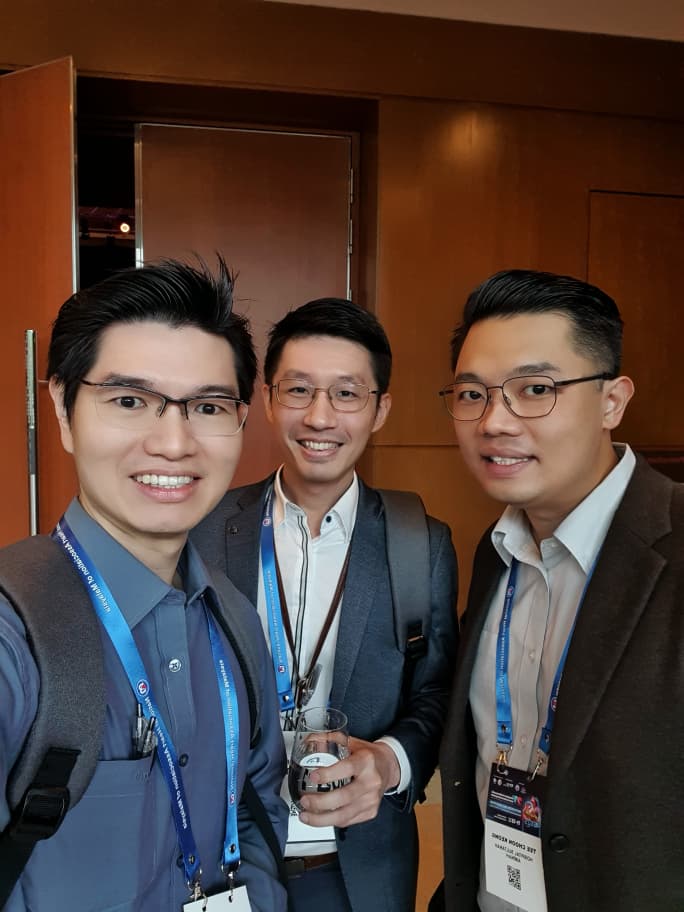
Met old friends from HSAJB, Dr Tee Choon Keong & Dr Sim Jian Hao!

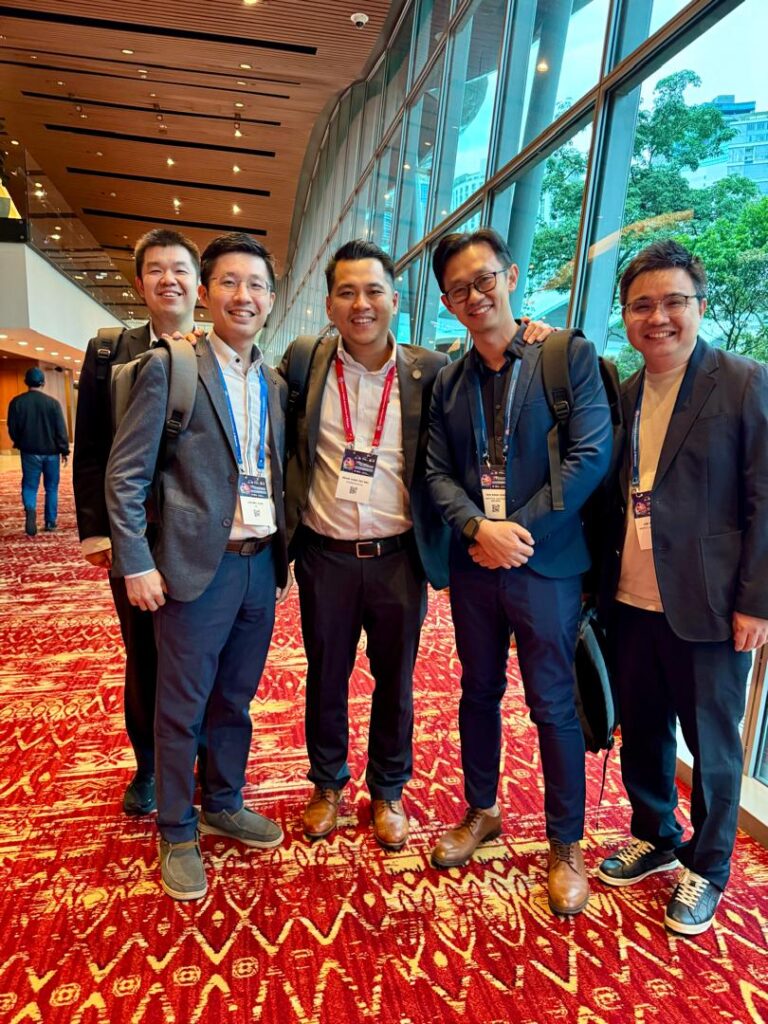
From left Dr Lee Wei Liang, Dr David Yong (Gleneagles KL), Dr Teh Khai Chih, Dr Lim Yuen Han

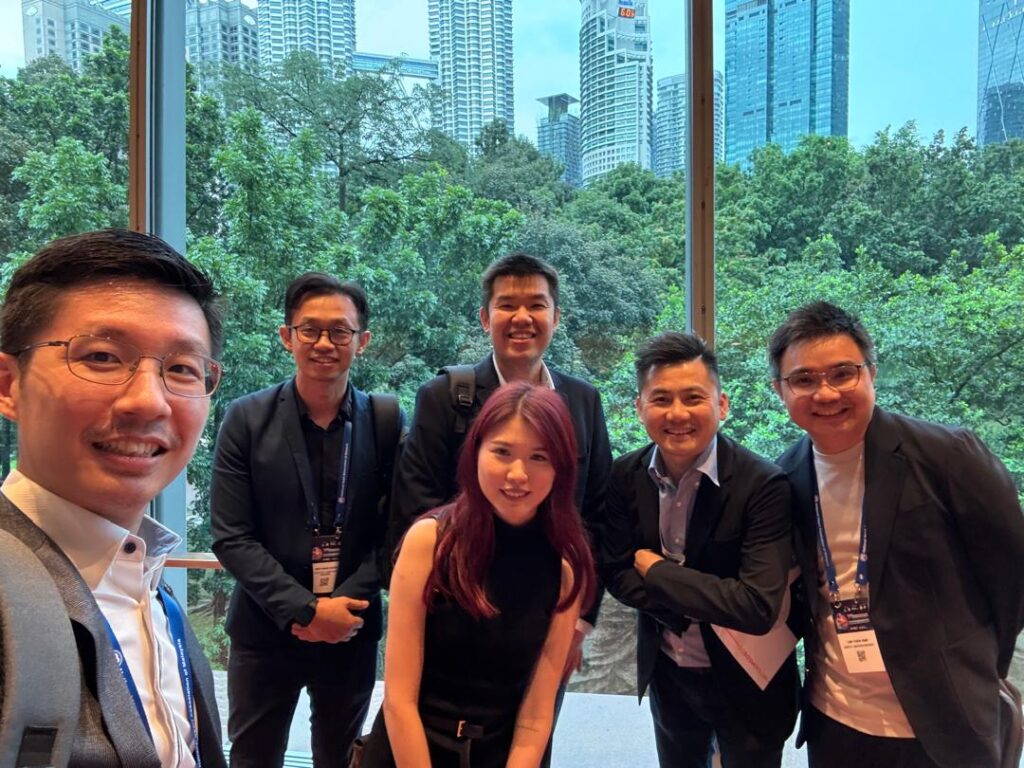
With Dr Teh Khai Chih, Dr Lee Wei liang, Dr Lim Yuen Han, Chris from Edwards TAVI team, Darien Suah, Head of Division from Avelon Healthcare Group.

Dr Rhuban, Dr Ariff, Dr Faten Aqilah, Melissa from Biosensor International.

Bifurcation Connect 2025: Sharing “My Best/Nightmare Experience” in Complex PCI

omegakimia@yahoo.com
Posted in Workshop

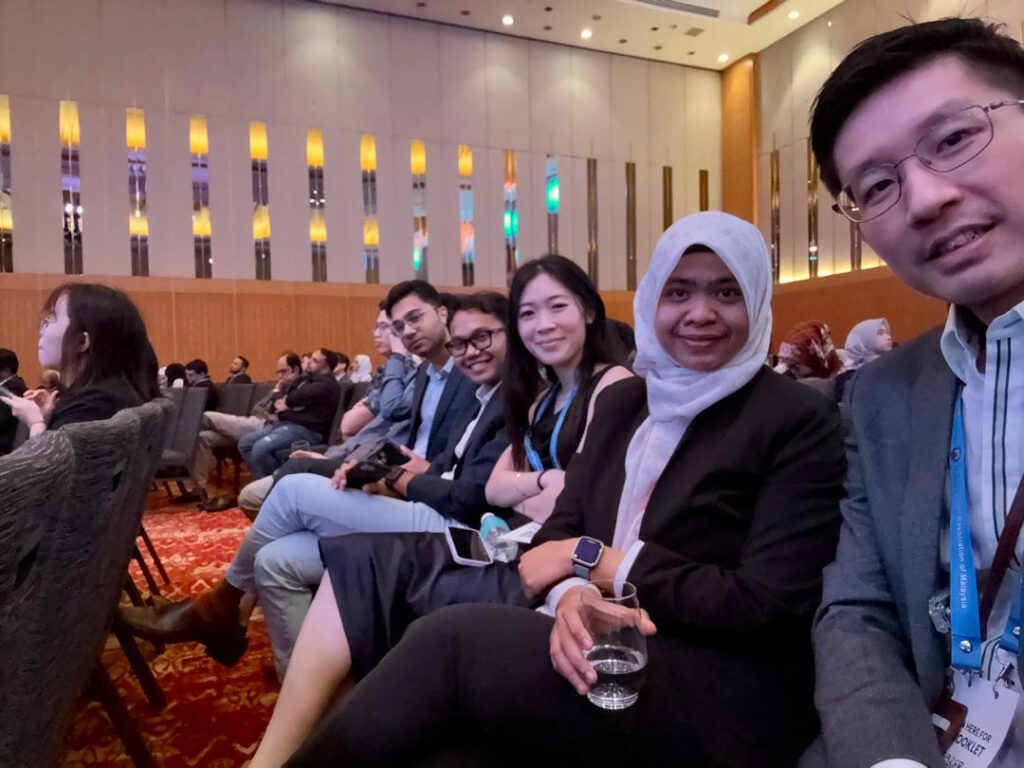
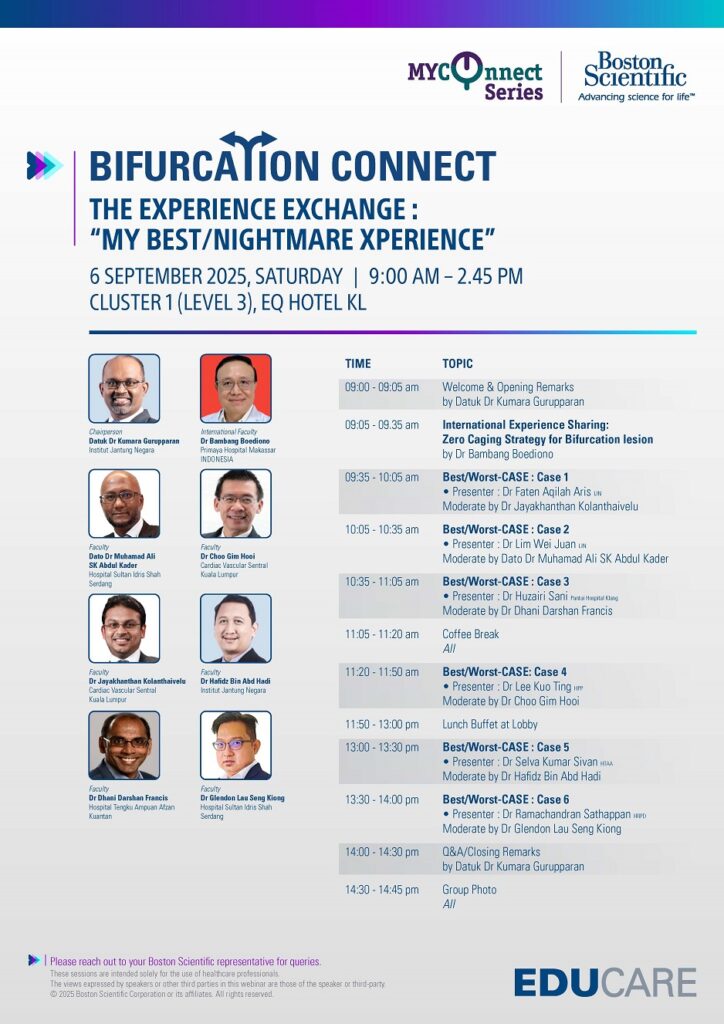
The Bifurcation Connect 2025 (My Best/Nightmare Experience) symposium, part of the MYConnect Series by Boston Scientific, brought together leading interventional cardiologists to share their most memorable successes and toughest challenges in bifurcation PCI. Held on 6 September 2025 at EQ Hotel Kuala Lumpur, the event highlighted cutting-edge strategies, case-based learning, and the importance of international collaboration in complex coronary interventions.

My Best/Nightmare Experience

A Global Platform for Experience Exchange

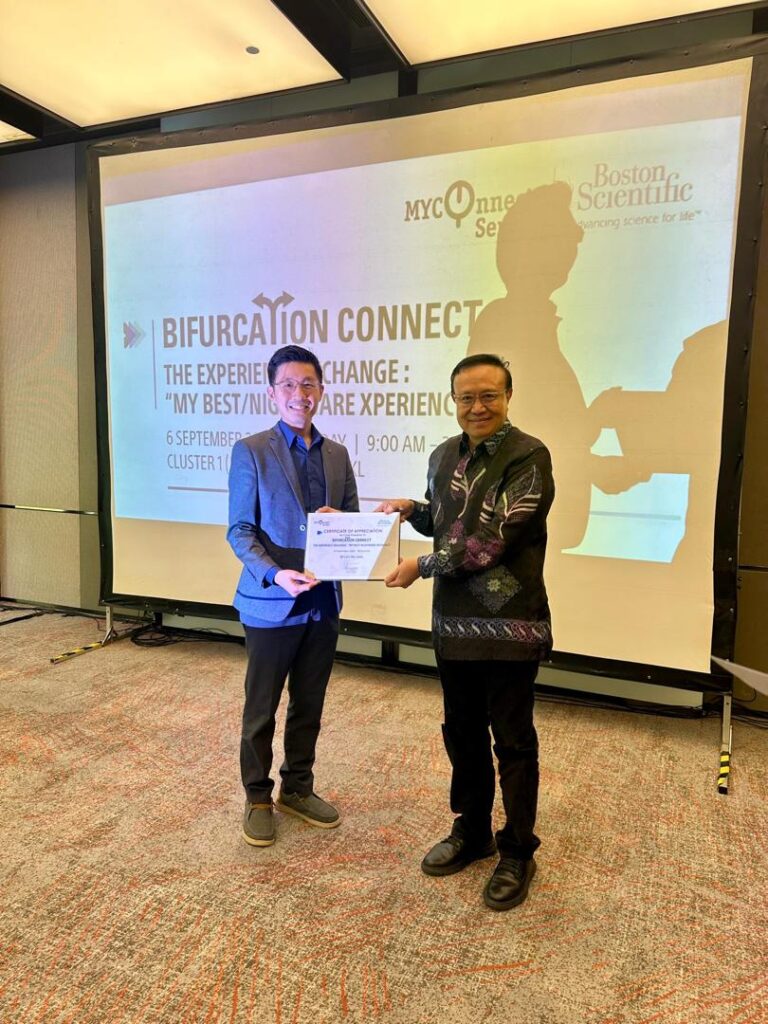
The program was chaired by Datuk Dr Kumara Gurupparan (Institut Jantung Negara, Malaysia), with international faculty Dr Bambang Boediono (Primaya Hospital Makassar, Indonesia) opening the session with his insightful lecture on the Zero Caging Strategy for Bifurcation Lesions. His talk emphasized innovation, precision, and the balance between safety and efficacy when tackling complex anatomy.

Best & Worst Case Sharing: Real-World Lessons

The highlight of the event was the My Best/Nightmare Experience, where Malaysian interventional cardiologists candidly shared their personal experiences. Each case session was moderated by respected faculty, ensuring lively discussions and practical take-home lessons for participants.

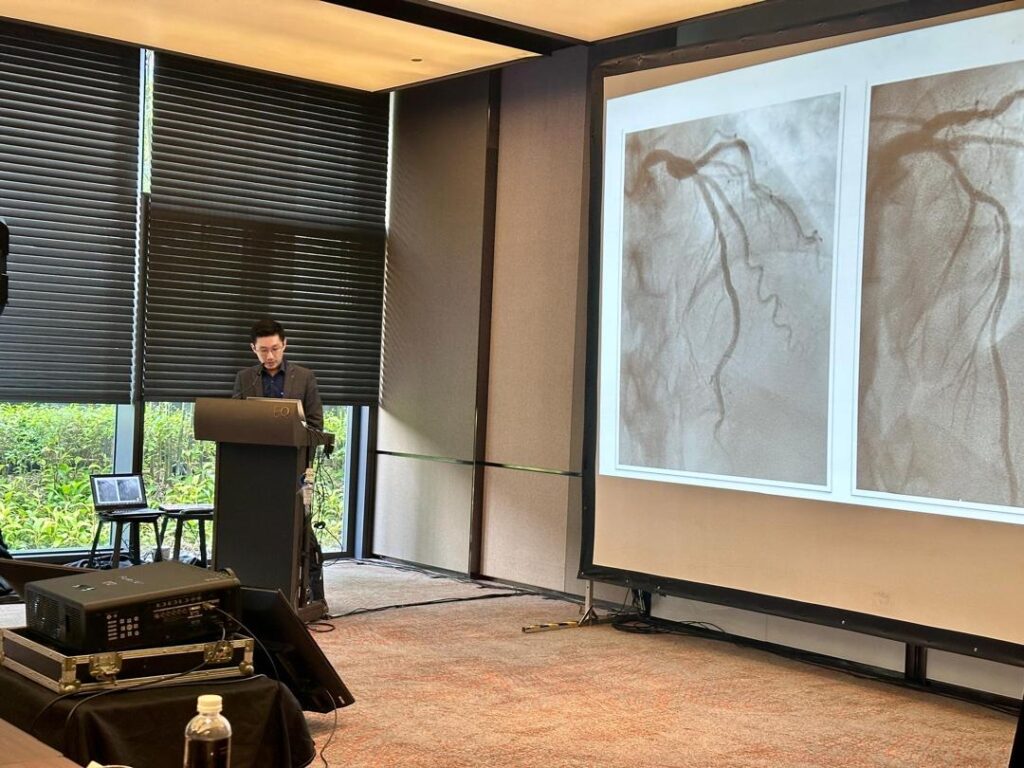
Among the presenters was Dr Lim Wei Juan, who delivered My Best/Nightmare Experience Case 2, moderated by Dato Dr Muhamad Ali (Hospital Sultan Idris Shah, Serdang). Dr Lim presented a challenging bifurcation stenting case that underscored the fine balance between technical skill, device selection, and real-time decision-making during complex PCI. The case sparked engaging dialogue on troubleshooting strategies, complications management, and how to turn potential procedural nightmares into successful outcomes.

Other sessions featured speakers including Dr Faten Aqilah Aris, Dr Huzairi Sani, Dr Lee Kuo Ting, Dr Selva Kumar Sivan, and Dr Ramachandran Sathappan, who each shared unique case experiences from different centers across Malaysia.

A Platform for Continuous Learning

The interactive format ensured that participants were not just passive listeners but active learners, gaining insights that are directly applicable in daily practice. From advanced bifurcation techniques to practical complication management, the symposium provided immense value for interventional cardiologists aiming to sharpen their expertise.

Closing with Reflection and Collaboration

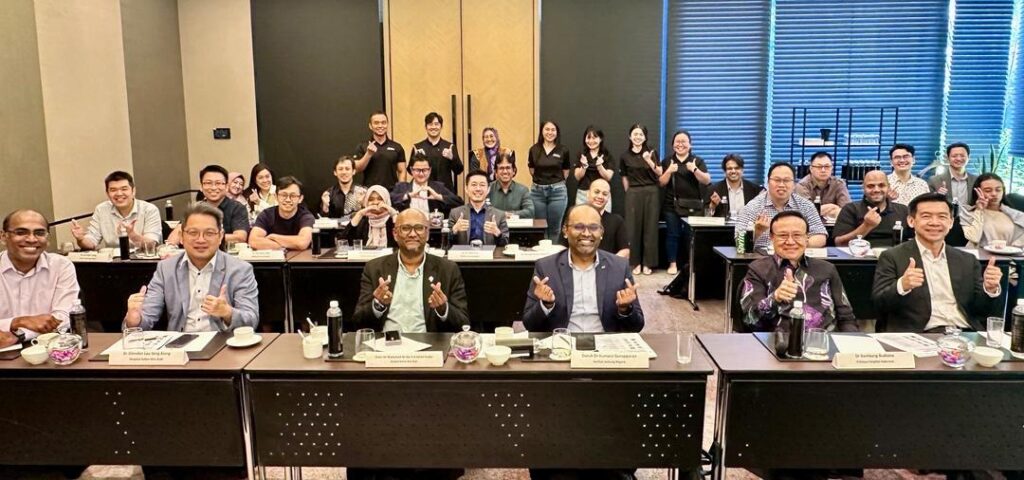
The meeting concluded with a Q&A and Closing Remarks by Datuk Dr Kumara Gurupparan, followed by a group photo that captured the collaborative spirit of the day.


Key Takeaways from Bifurcation Connect 2025

  • Real-world case sharing remains one of the most powerful learning tools in interventional cardiology.
  • Complex bifurcation PCI requires adaptability, strong technical fundamentals, and teamwork.
  • Events like these foster cross-border knowledge exchange and strengthen regional expertise in cardiovascular care.
As interventional cardiology continues to evolve, Bifurcation Connect reinforces the importance of shared experience in driving innovation and improving patient outcomes. My Best/Nightmare Experience

SIDAPVIA Train-the-Trainer Launch at Hilton Kuala Lumpur: Empowering Specialists for the Future

omegakimia@yahoo.com
Posted in Workshop

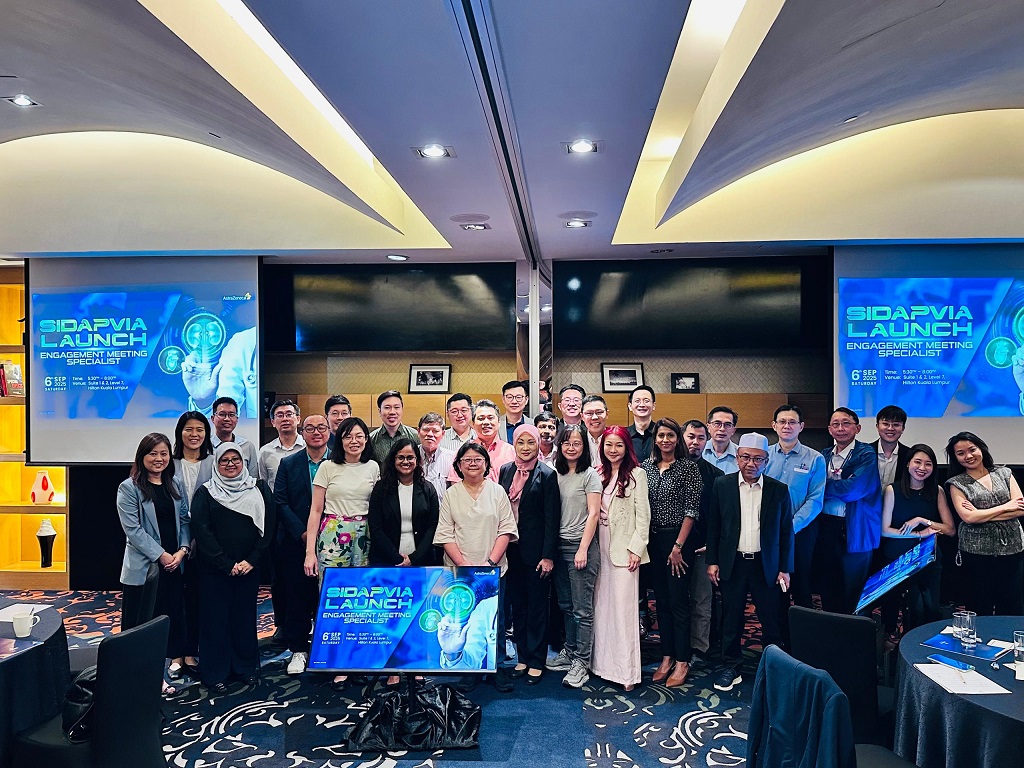
On 6th September 2025, the SIDAPVIA Train-the-Trainer Engagement Meeting for Specialists was successfully held at the prestigious Hilton Kuala Lumpur. The event marked a significant milestone in advancing specialist training and professional development in Malaysia, bringing together a dynamic group of healthcare professionals, educators, and industry leaders.

A Landmark Launch for SIDAPVIA

The SIDAPVIA program is designed to equip specialists with advanced skills, structured training modules, and innovative teaching methodologies to empower the next generation of medical professionals. By adopting a “train-the-trainer” approach, SIDAPVIA ensures that knowledge transfer is not only consistent but also impactful across institutions nationwide.

SIDAPVIA

Highlights of the Engagement Meeting

The event was filled with insightful discussions, interactive sessions, and collaborative networking opportunities. Participants gained exposure to:

  • Comprehensive training modules designed to standardize specialist education.
  • Innovative digital platforms that enhance learning and assessment.
  • Peer-to-peer sharing from experienced trainers who demonstrated real-world applications.
  • Strategic collaborations between healthcare leaders, aimed at improving training outcomes.

The launch emphasized the importance of sustainable training ecosystems where experienced specialists mentor and guide peers, ensuring that expertise is multiplied across the medical community.

Hilton Kuala Lumpur: A Perfect Venue

The choice of Hilton Kuala Lumpur added prestige and elegance to the launch. Its state-of-the-art facilities provided an inspiring environment for participants to engage, learn, and collaborate effectively.

Dr David Yong from Gleneagles Hospital Kuala Lumpur, Dr Khaw Chee Sin from Sunway Medical Center Penang, Dr Aaron Ong from Penang Adventist Hospital

Building the Future of Specialist Training

With SIDAPVIA, Malaysia takes a bold step forward in shaping a future-ready healthcare workforce. The program is not only about knowledge transfer but also about fostering leadership, innovation, and excellence among trainers.

The SIDAPVIA Train-the-Trainer Engagement Meeting was more than just a launch — it was the beginning of a transformative journey for specialists and the healthcare ecosystem at large.

Complex CTO Workshop with Dr Shunsuke Matsuno: Mastering LAD and RCA Recanalization

omegakimia@yahoo.com
Posted in Workshop

The field of complex percutaneous coronary intervention (PCI) continues to evolve with innovative strategies and advanced techniques. IJN and Asahi proudly hosted a CTO (Chronic Total Occlusion) workshop featuring Dr Shunsuke Matsuno, an esteemed operator renowned for his expertise in complex PCI. The session provided a live demonstration of two challenging CTO cases: one involving the left anterior descending artery (LAD) and another involving the right coronary artery (RCA).

Dr Shunsuke Matsuno

Case 1: CTO LAD – Advanced Antegrade and Retrograde Approaches

In the first case, Dr Shunsuke Matsuno tackled a complex CTO of the LAD. The procedure showcased multiple advanced strategies:

  • Antegrade IVUS-Guided Proximal Cap Puncture: Utilizing intravascular ultrasound to define the entry point with precision.
  • Retrograde Septal Surfing Technique: Navigating through septal collaterals to gain retrograde access.
  • Epicardial Collateral Approach: Attempting collateral channel crossing when septal collaterals proved challenging.
  • ADR Technique (Antegrade Dissection and Re-entry): Applied as a bailout strategy to re-enter the true lumen with success.

This case highlighted the importance of versatility in CTO PCI, with operators needing to pivot between antegrade and retrograde strategies to achieve optimal outcomes.

Case 2: CTO RCA – Parallel Wiring Technique

The second case demonstrated a CTO of the RCA, where Dr Shunsuke Matsuno successfully applied the parallel wiring technique. By using a dual-wire strategy, one wire maintained position in the subintimal space while a second wire was carefully advanced to find the true lumen. This approach minimized procedural time and improved the chances of successful revascularization.

Key Learnings from the Workshop

The live cases underscored several important principles in contemporary CTO PCI:

  • The value of IVUS in guiding proximal cap puncture and confirming wire position.
  • The need for multiple strategies—antegrade, retrograde, dissection/re-entry—to address complex lesions.
  • The parallel wiring technique as a practical and effective method for RCA CTO recanalization.
  • Operator expertise and adaptability as the cornerstone of successful outcomes in complex PCI.

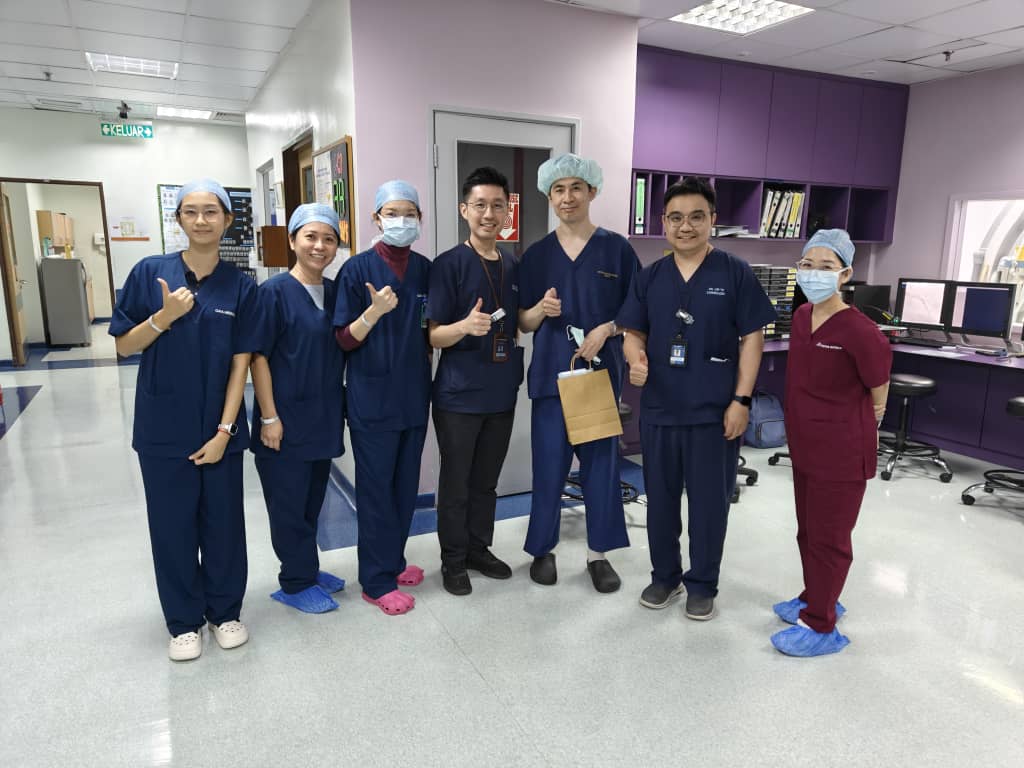
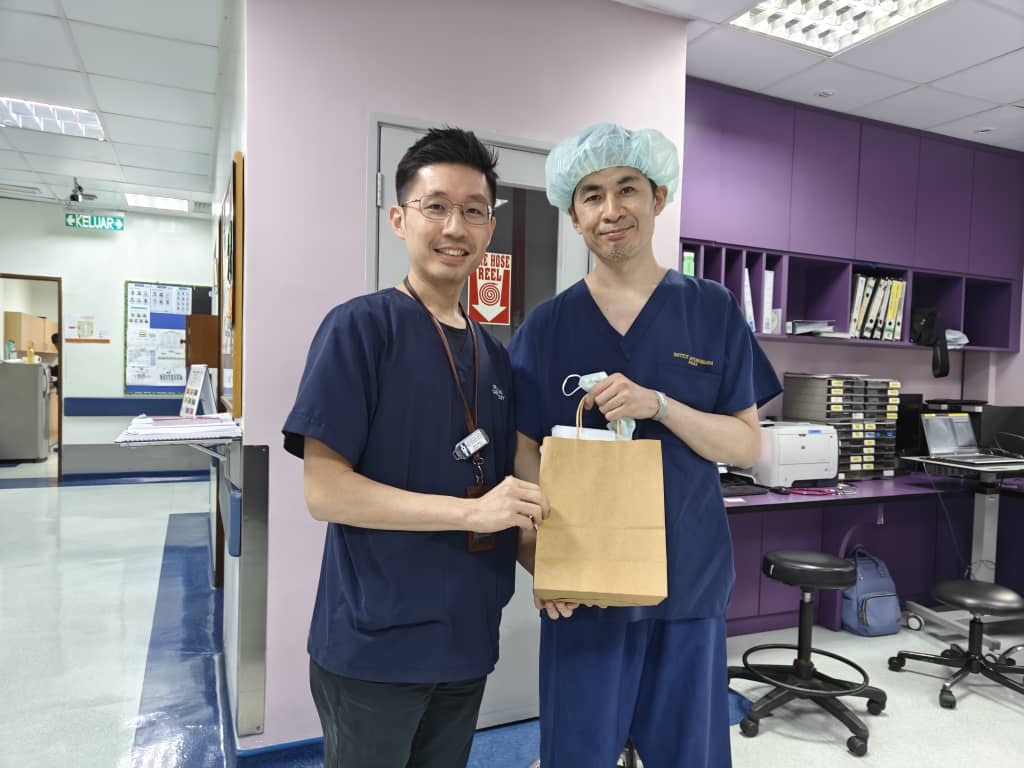
Small token of appreciation to sensei Matsuno!

Advancing Complex PCI Skills

Workshops like this are crucial in training interventional cardiologists to manage highly complex coronary occlusions. With guidance from experts like Dr Shunsuke Matsuno, participants gained invaluable insights into advanced CTO strategies, case selection, and complication management.

Conclusion

The CTO workshop with Dr Shunsuke Matsuno was an outstanding educational experience, showcasing cutting-edge techniques such as IVUS-guided puncture, septal surfing, ADR, and parallel wiring. These real-world demonstrations reinforce the importance of continuous skill advancement in achieving high success rates and safer outcomes for patients with challenging coronary occlusions.

BIG Pharmacy and Pfizer Host Educational Webinar on Apixaban

omegakimia@yahoo.com
Posted in Online Webinar

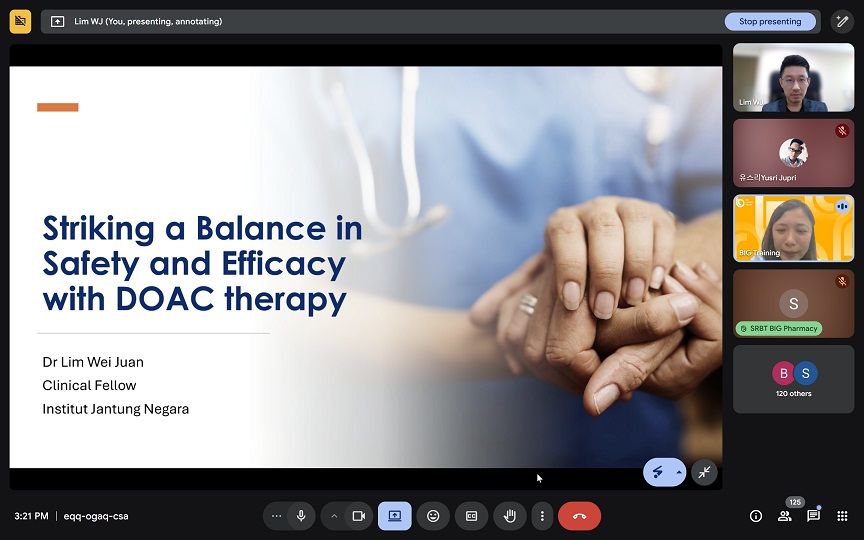
BIG Pharmacy, in collaboration with Pfizer Malaysia, successfully organized an engaging webinar on Apixaban, attracting over 100 participants from across the healthcare community. The session focused on advancing knowledge in stroke prevention for atrial fibrillation (AF) and the expanding role of direct oral anticoagulants (DOACs).

Addressing Stroke Risk in Atrial Fibrillation

Atrial fibrillation is the most common sustained cardiac arrhythmia, associated with a five-fold increase in stroke risk. Early diagnosis and effective anticoagulation are essential in reducing complications. The webinar provided updates on clinical guidelines, real-world data, and best practices for managing AF patients.

BIG Pharmacy

Why Apixaban?

Speakers highlighted the clinical benefits of Apixaban, a direct Factor Xa inhibitor, widely recognized as a preferred DOAC for AF and venous thromboembolism (VTE). Key points included:

  • Proven Efficacy: Superior protection against stroke and systemic embolism compared to warfarin.
  • Lower Bleeding Risk: Favorable safety profile, especially in elderly and chronic kidney disease patients.
  • Patient Convenience: Fixed dosing without the need for routine INR monitoring.

Empowering Pharmacists and Healthcare Professionals

The webinar emphasized the role of pharmacists in ensuring treatment success:

  • Educating patients on medication adherence and correct dosing.
  • Identifying drug interactions and monitoring renal function.
  • Supporting lifestyle modifications to optimize long-term outcomes.

Strong Engagement and Knowledge Sharing

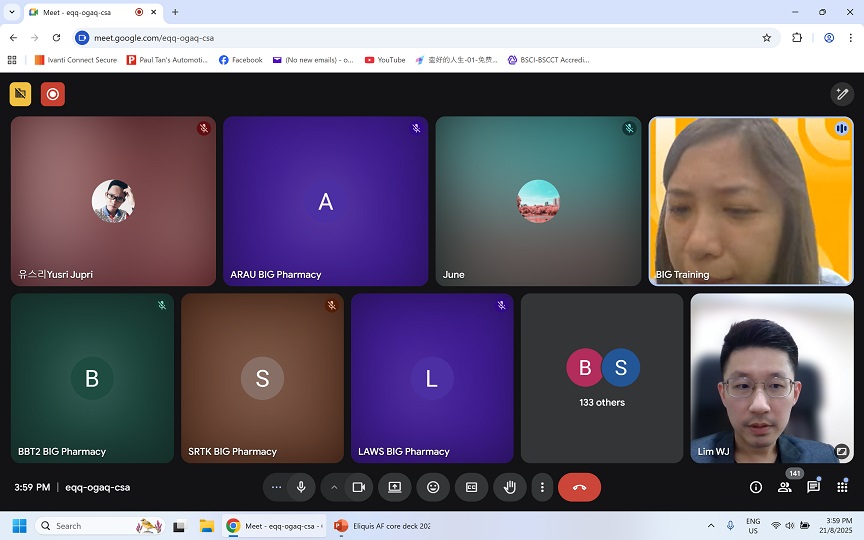
With more than 100 participants, the interactive session showcased the enthusiasm of pharmacists, doctors, and healthcare providers in expanding their clinical knowledge. The Q&A segment allowed participants to clarify practical challenges and share real-world experiences.

BIG Pharmacy’s Commitment to Education

This event reflects BIG Pharmacy’s dedication to continuous professional development (CPD) and its mission to support healthcare providers with the latest evidence-based updates. Partnering with global leaders like Pfizer ensures that the pharmacy community is well-equipped to deliver better patient care.

Conclusion

The Apixaban webinar by BIG Pharmacy and Pfizer was a resounding success, enriching participants’ understanding of anticoagulation therapy in atrial fibrillation and VTE. With strong participation and expert insights, the event reinforced the importance of ongoing education in improving cardiovascular outcomes.

Advancing Complex PCI: CTO Workshop with Dr Alan Chan at IJN

omegakimia@yahoo.com
Posted in Workshop

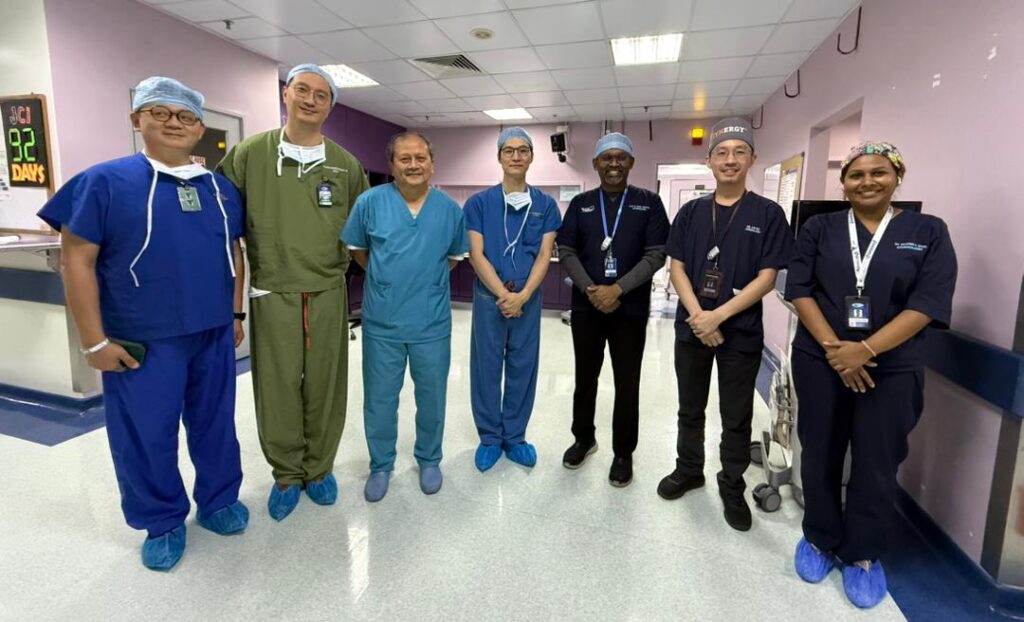
The Chronic Total Occlusion (CTO) Workshop held at the National Heart Institute (IJN) brought together interventional cardiologists to learn advanced techniques in complex coronary interventions. The workshop, chaired by Datuk Dr Kumara, featured Dr Alan Chan, a renowned interventional cardiologist from Hong Kong, who demonstrated the latest strategies in CTO percutaneous coronary intervention (PCI).

Dr Alan Chan

About Dr Alan Chan

Dr Alan Chan obtained his medical degree from the University of Hong Kong in 2002. After his residency at Queen Elizabeth Hospital, HKSAR, he achieved MRCP (UK) in 2005 and completed his cardiology training in 2006. By 2009, he was awarded FHKCP and FHKAM, establishing himself as a specialist in both cardiology and internal medicine.

In 2012, Dr Alan Chan received the Hong Kong Heart Foundation Scholarship, allowing him to further refine his expertise in advanced interventional cardiology during a fellowship at Case Western Reserve University, Ohio, USA. Currently a full-time cardiologist at Queen Elizabeth Hospital, he is recognized for his special interest in complex PCI, primary angioplasty (primary PCI), and intracoronary imaging.

Live CTO Case Demonstrations

The workshop featured three highly educational CTO cases that highlighted advanced procedural strategies and the importance of imaging and support techniques in achieving success:

Case 1: CTO LAD

  • Parallel wiring technique successfully used for crossing the lesion.
  • IVUS-guided ostial LAD stenting ensured precise stent placement and optimal results.

Case 2: CTO RCA

  • Demonstrated the importance of strong guide catheter support.
  • The balloon-anchored technique was utilized to facilitate device delivery across the occlusion.

Case 3: Complex CTO Case Discussion

  • Additional focus on decision-making strategies, case selection, and integrating intravascular imaging to improve outcomes in difficult CTO interventions.

Key Learning Points

  • Parallel wiring and advanced crossing strategies remain essential in LAD CTO interventions.
  • Guide support and anchoring techniques are critical for RCA CTO success.
  • Intravascular ultrasound (IVUS) plays a pivotal role in guiding stent optimization and reducing complications.
  • Complex PCI requires a combination of technical skill, imaging expertise, and strategic case planning.

Conclusion

The CTO Workshop with Dr Alan Chan provided valuable insights into tackling complex coronary occlusions with precision and safety. By sharing his vast experience and demonstrating advanced techniques, Dr Alan Chan empowered participants to enhance their practice in the evolving field of interventional cardiology.

Workshops like these reaffirm IJN’s commitment to continuous education and innovation in cardiovascular medicine, ensuring that patients with the most challenging coronary disease can benefit from the latest advancements in PCI.