Last night, I had the privilege of speaking at The Johor Premiere – AstraZeneca M+ Series 2026, a scientific educational meeting that brought together healthcare professionals from across Johor to discuss the latest advances in cardiovascular, renal, and metabolic medicine.
The evening focused on one important goal—delivering better outcomes for patients through earlier intervention, multidisciplinary collaboration, and evidence-based treatment strategies.
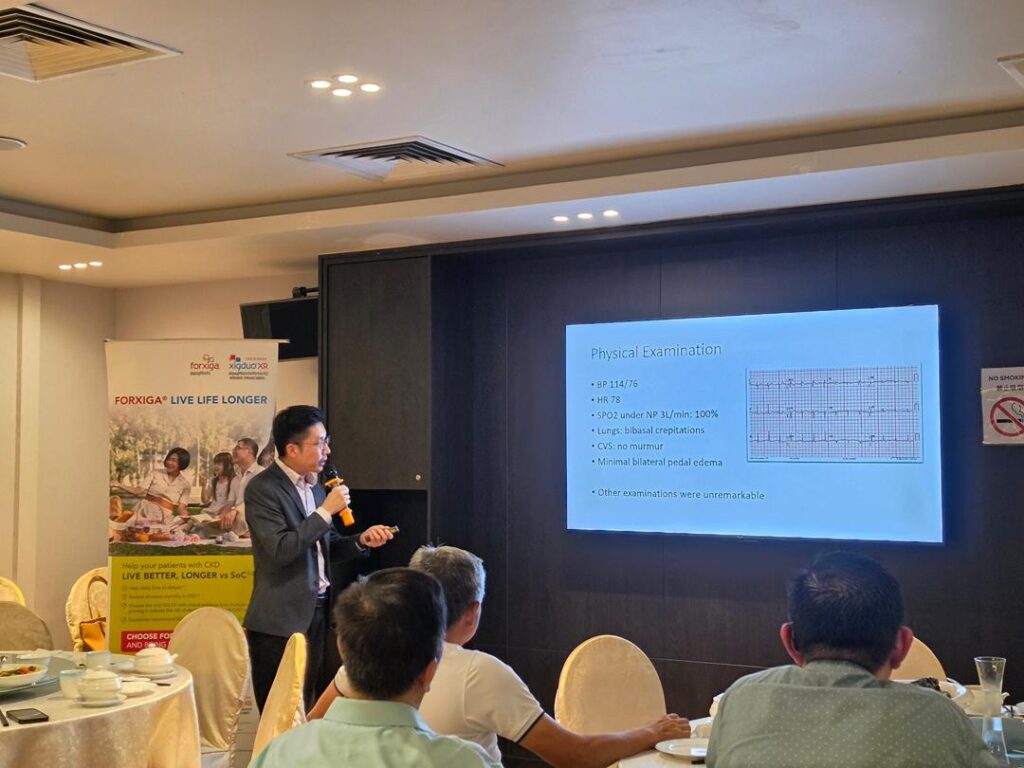
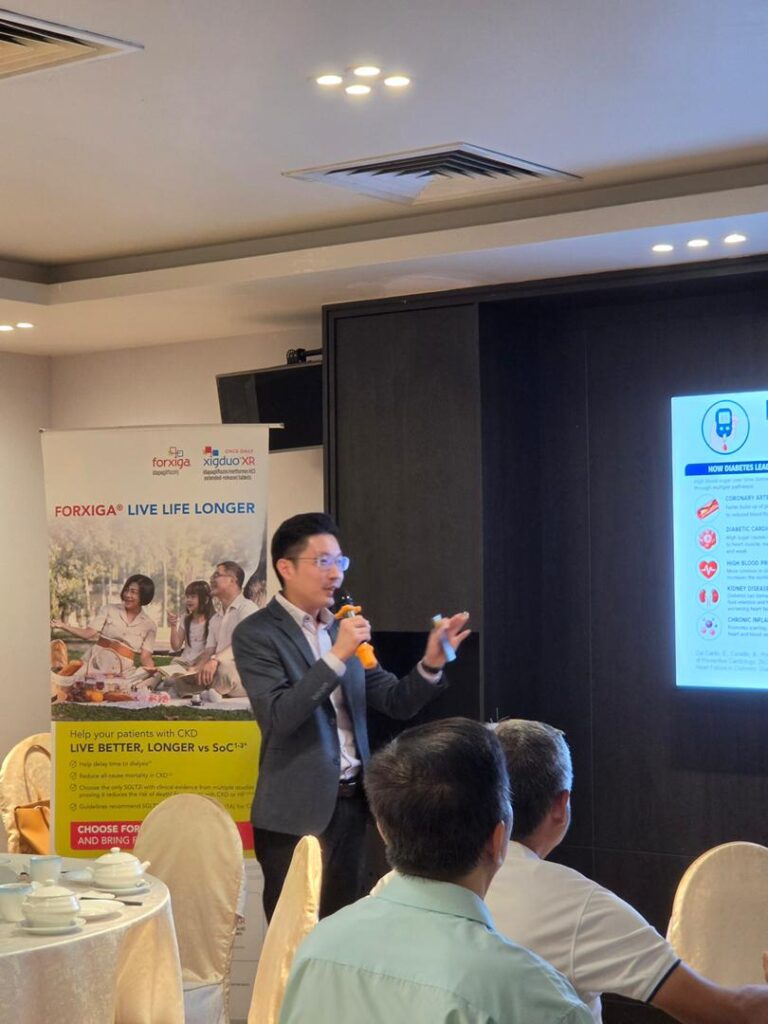
Sharing Clinical Insights on Optimizing Cardiac Performance
I was honoured to present the session:
“Optimizing Cardiac Performance with Focused Protection”
During my presentation, we explored current approaches to improving cardiovascular outcomes in patients with heart failure and those at high cardiovascular risk. The discussion highlighted the importance of comprehensive risk reduction strategies, guideline-directed medical therapy, and the evolving role of modern pharmacological treatments in protecting both the heart and kidneys.
An Inspiring Scientific Programme
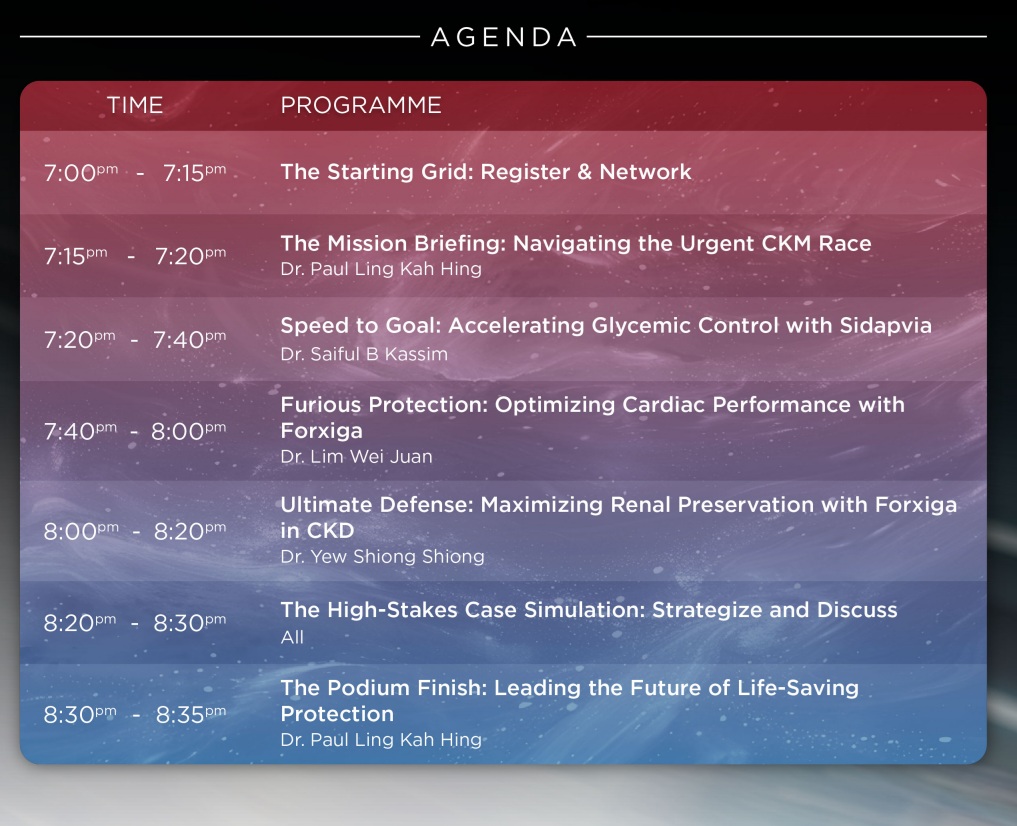
The meeting featured an excellent lineup of speakers covering several important topics, including:
Navigating the urgent chronic kidney disease (CKD) race
Accelerating glycaemic control in type 2 diabetes with SGLT2 inhibitors
Optimizing cardiac performance with focused protection
Maximizing renal preservation through comprehensive kidney protection
Case-based discussions on complex cardiorenal-metabolic patients
The future direction of life-saving therapies
These sessions reinforced the growing importance of integrated management for patients living with diabetes, chronic kidney disease, and cardiovascular disease.
The Importance of Collaborative Learning
Medical science continues to evolve rapidly, and continuous professional education remains essential for delivering the highest quality patient care. Scientific meetings like the AstraZeneca M+ Series provide valuable opportunities for clinicians to exchange knowledge, discuss real-world clinical experiences, and stay updated with the latest evidence that can directly benefit our patients.
I would like to thank the organisers, fellow speakers, and all healthcare professionals who attended and contributed to the engaging discussions throughout the evening.
Together, we continue working towards better cardiovascular health and improved patient outcomes for our community.
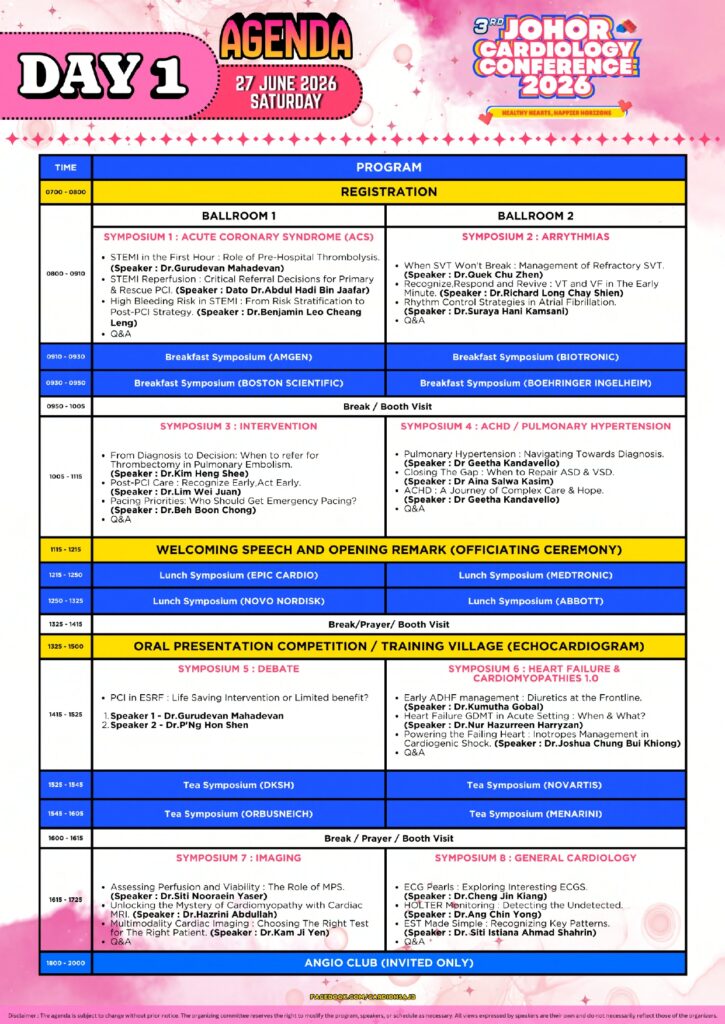
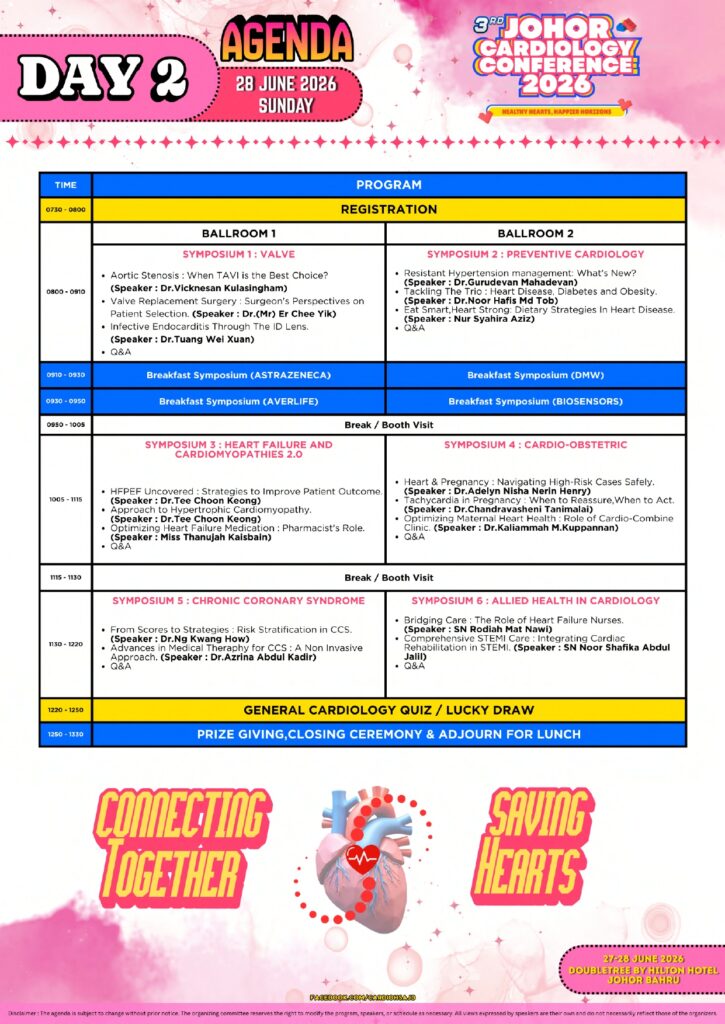
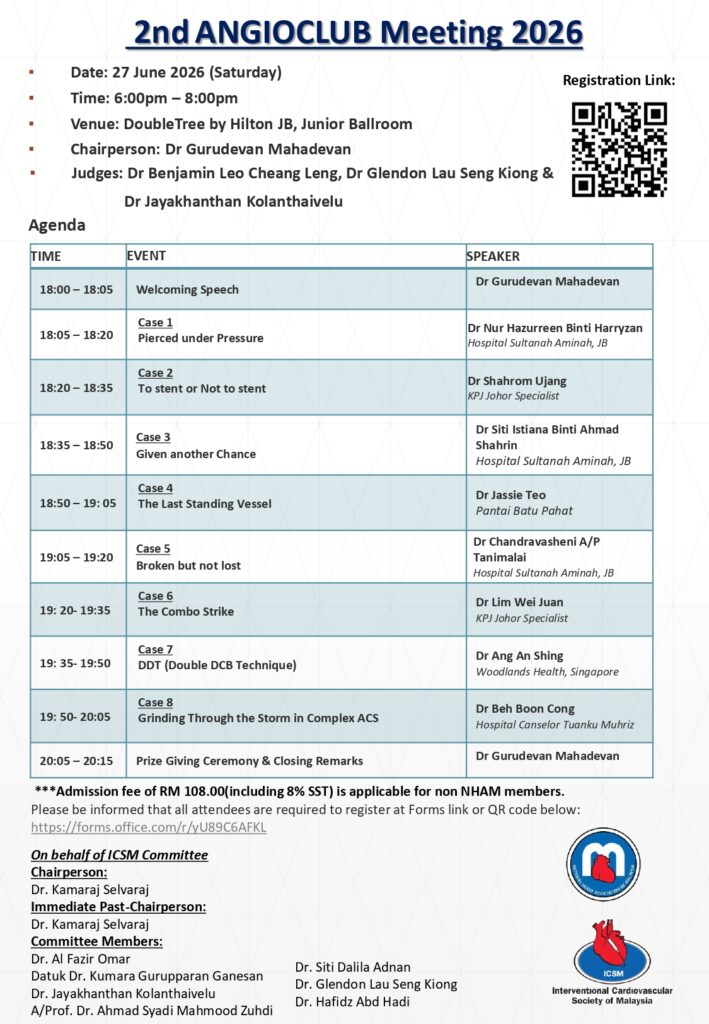
Continuous medical education and the exchange of clinical experience are essential in advancing cardiovascular care. I was honoured to participate in two major cardiology events held in Johor Bahru on 27–28 June 2026—the 3rd Johor Cardiology Conference 2026and the 2nd ANGIOCLUB Meeting 2026.
These conferences brought together cardiologists, physicians, trainees, and healthcare professionals from across Malaysia and neighbouring countries to discuss the latest advances in cardiovascular medicine, interventional cardiology, heart failure, imaging, prevention, and complex coronary intervention.
Invited Speaker at the 3rd Johor Cardiology Conference 2026
It was a privilege to be invited as one of the faculty speakers at the 3rd Johor Cardiology Conference 2026, a scientific meeting dedicated to promoting collaboration and excellence in cardiovascular care.
The conference featured renowned local and international cardiologists who shared updates on:
Coronary artery disease
Acute coronary syndrome (heart attack)
Heart failure management
Cardiovascular imaging
Structural heart disease
Preventive cardiology
Latest advances in interventional cardiology
Participating in this conference provided an excellent opportunity to exchange ideas, discuss challenging clinical scenarios, and stay updated with the latest evidence that ultimately benefits patient care.
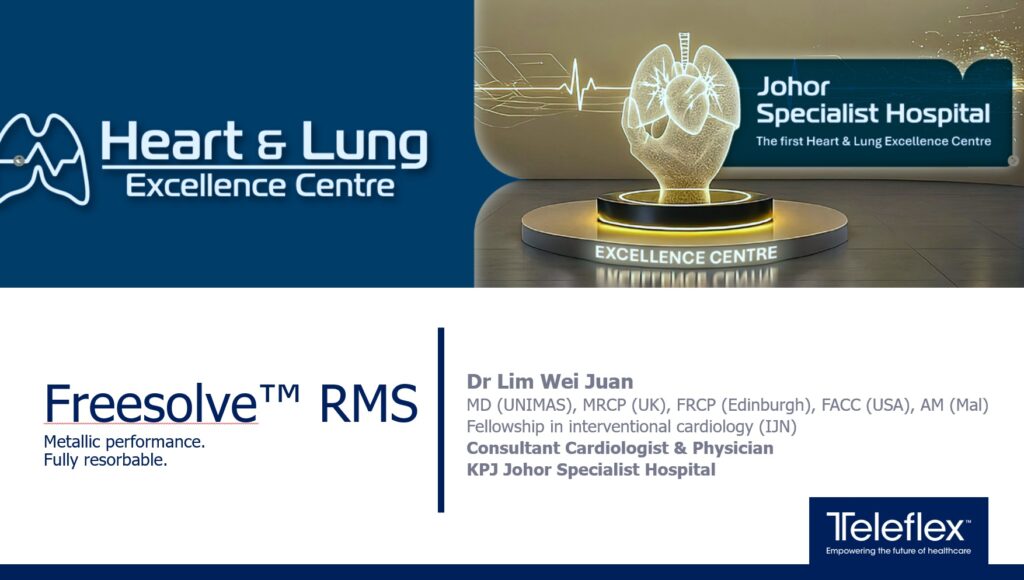
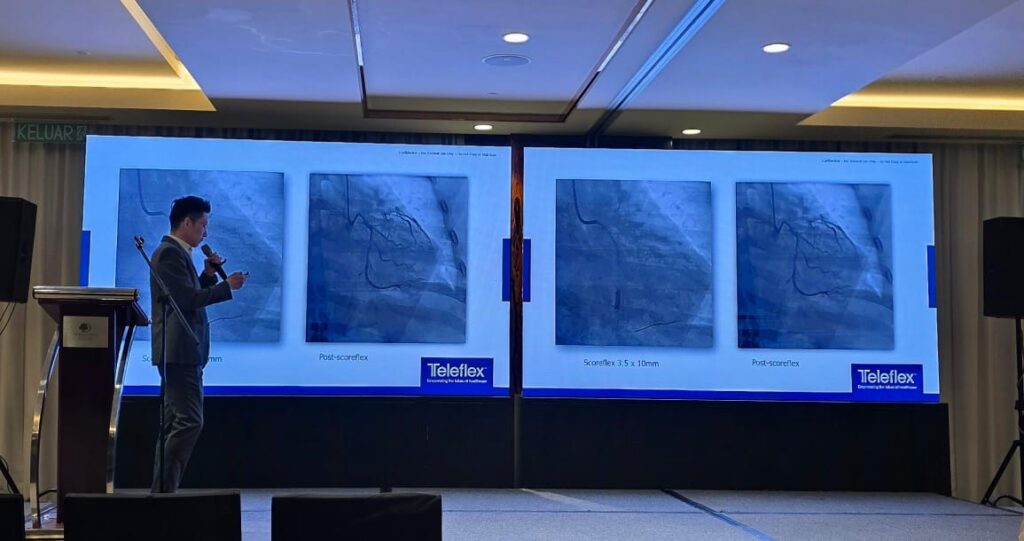
Started 1st presensation for Breakfast Symposium under Teleflex
Sharing on OCT/OAS case
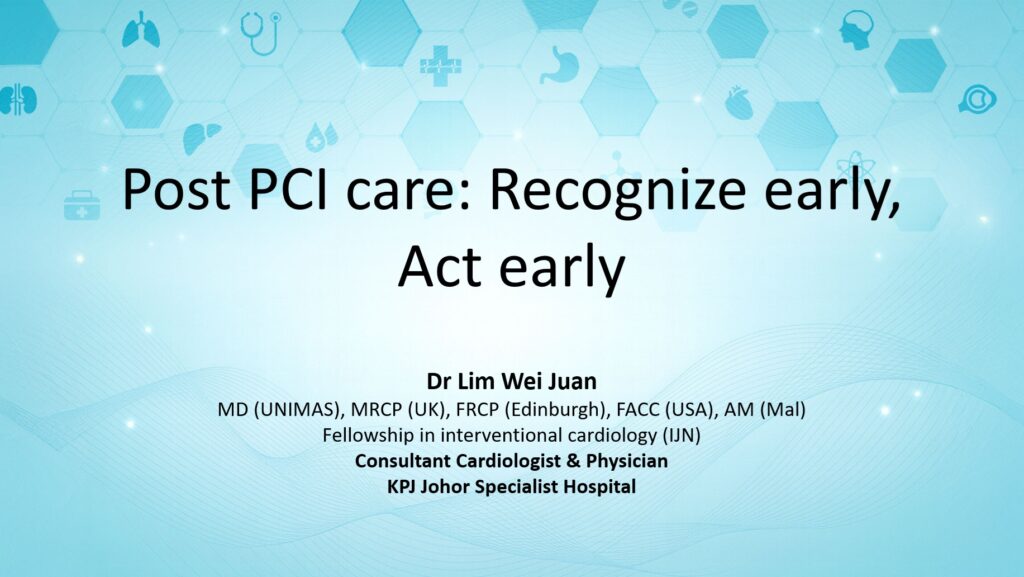
Followed by 2nd presentation on Post PCI Care
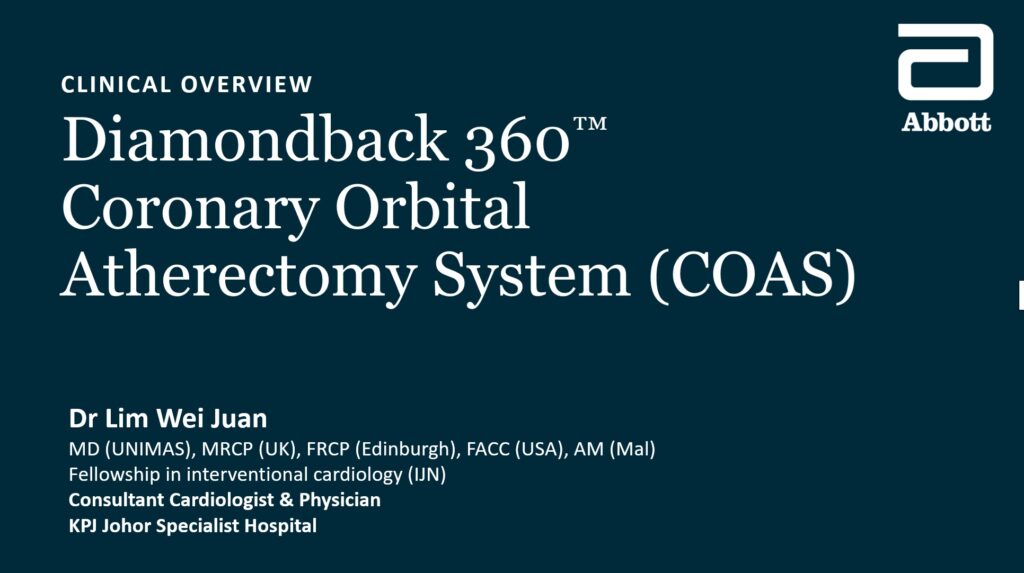
3rd presentation on OAS by Abbott
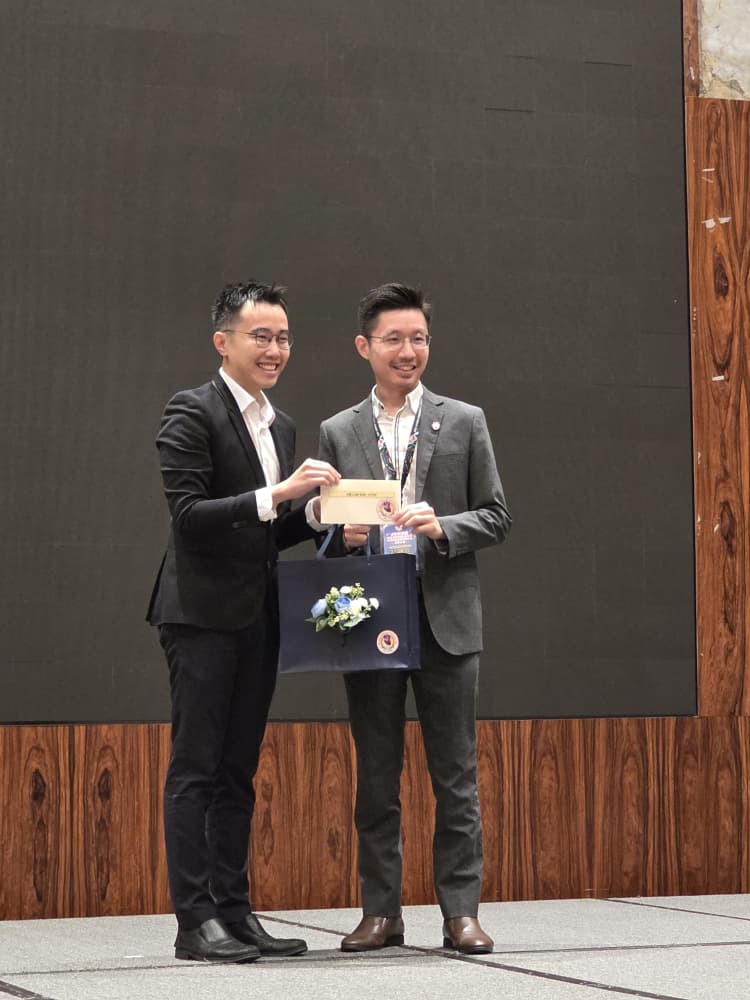
Token of appreciation by Dr Kim Heng Shee, Consultant Cardiologist at HSAJB
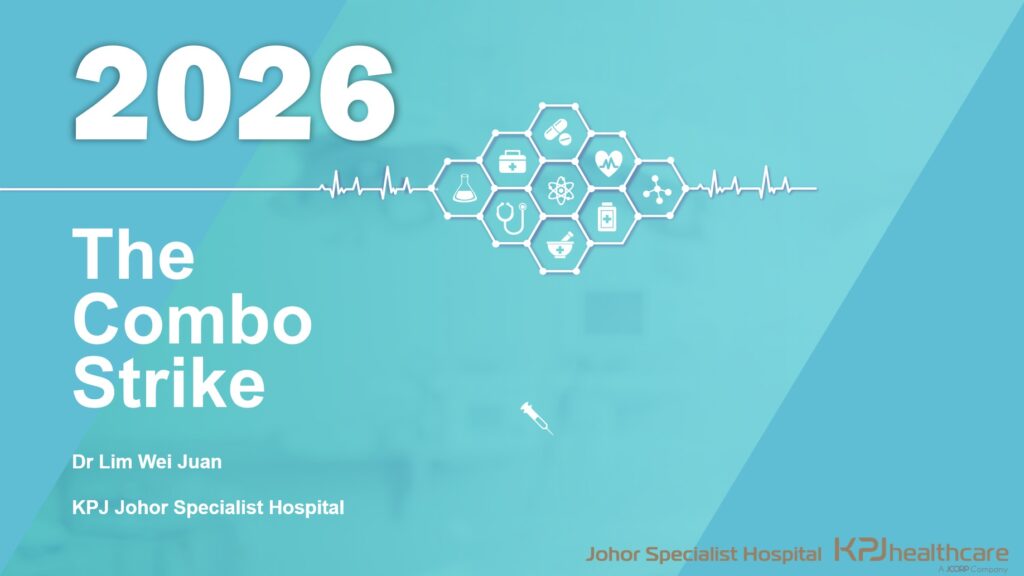
Presenting “The Combo Strike” at the 2nd ANGIOCLUB Meeting
Following the conference, I also presented Case 6: “The Combo Strike” during the 2nd ANGIOCLUB Meeting 2026, representing KPJ Johor Specialist Hospital. The meeting focused on real-world complex coronary intervention cases, allowing specialists to share practical experience and procedural strategies.
My presentation highlighted the importance of careful procedural planning, evidence-based decision-making, and the use of contemporary PCI techniques in managing complex coronary artery disease.
Case-based discussions such as ANGIOCLUB play a vital role in helping interventional cardiologists refine techniques, improve patient safety, and optimise clinical outcomes.
Commitment to Excellence in Cardiology
Medicine is constantly evolving, and attending scientific conferences is an important part of delivering the highest standard of patient care. By participating in educational meetings such as the Johor Cardiology Conference and ANGIOCLUB, I continue to stay abreast of emerging evidence, innovative technologies, and best practices in cardiovascular medicine.
As a Consultant Cardiologist and Interventional Cardiologist at KPJ Johor Specialist Hospital, my commitment is to provide evidence-based, patient-centred care for individuals with:
Coronary artery disease
Heart attack (Acute Coronary Syndrome)
Chest pain (Angina)
Heart failure
High blood pressure
High cholesterol
Cardiac rhythm disorders
Patients requiring coronary angiography, angioplasty (PCI), and coronary stenting
Looking Ahead
I would like to thank the organising committee, fellow faculty members, colleagues, and participants for making both meetings successful. The opportunity to share knowledge while learning from respected peers continues to inspire me to improve patient care and contribute to the advancement of cardiology in Malaysia.
I look forward to participating in future scientific meetings and continuing to provide the latest evidence-based cardiovascular treatments to my patients.
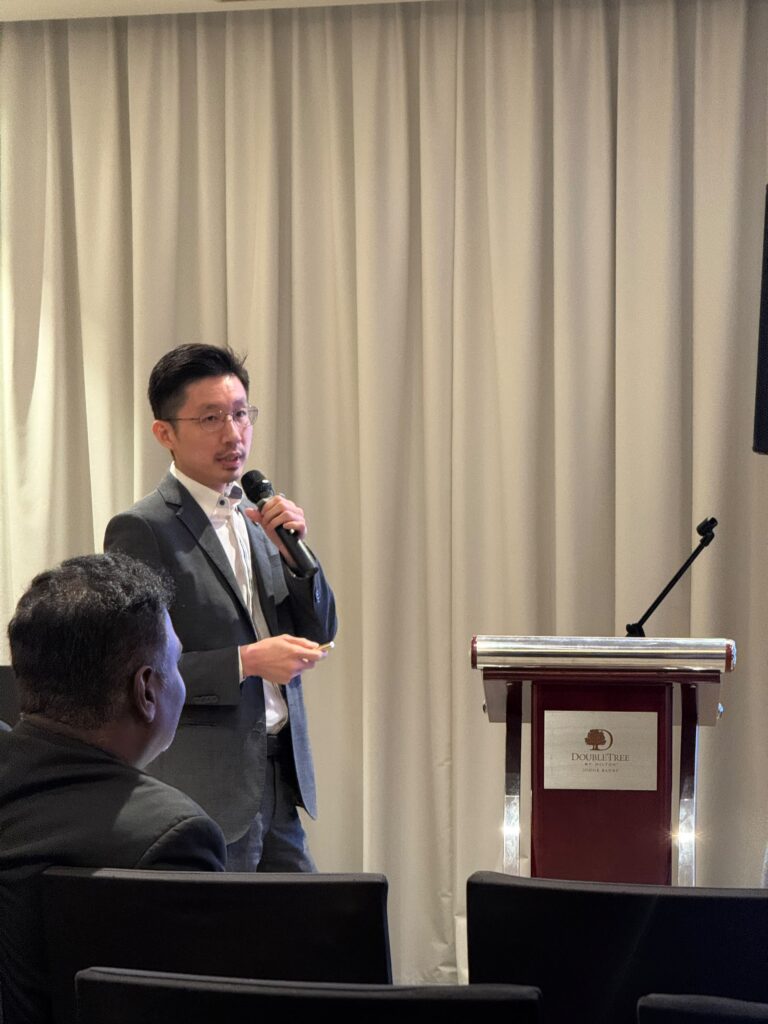
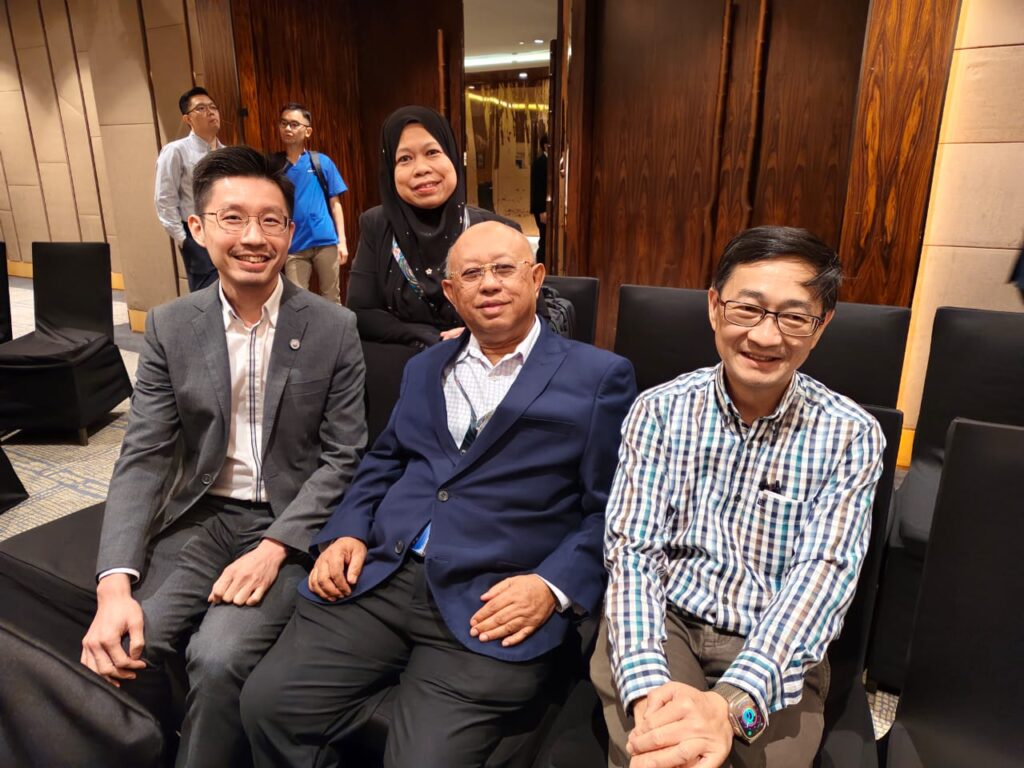
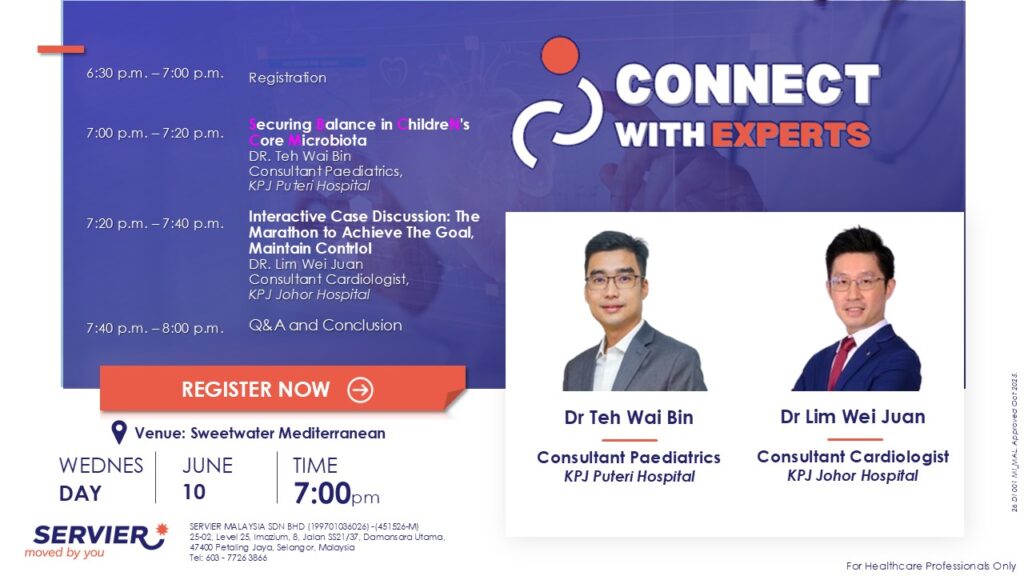
I would like to express my sincere gratitude to Servier Malaysia for the invitation to participate in the recent Connect With Experts educational meeting alongside Dr Teh Wai Bin, Consultant Paediatrician from KPJ Puteri Hospital.
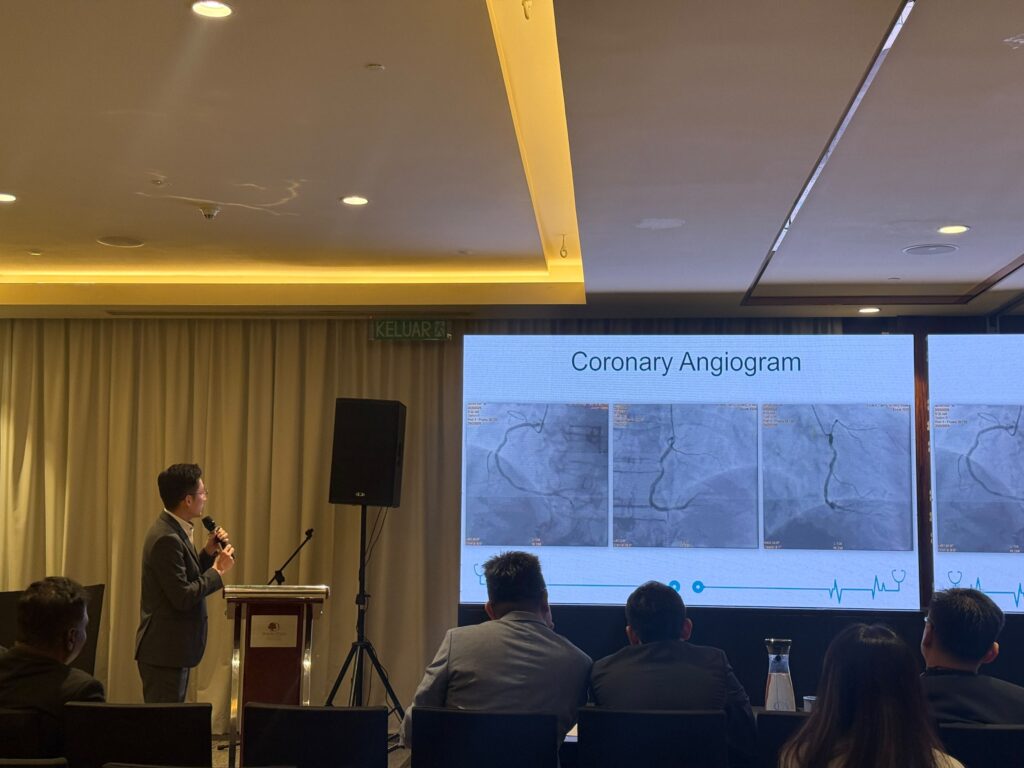
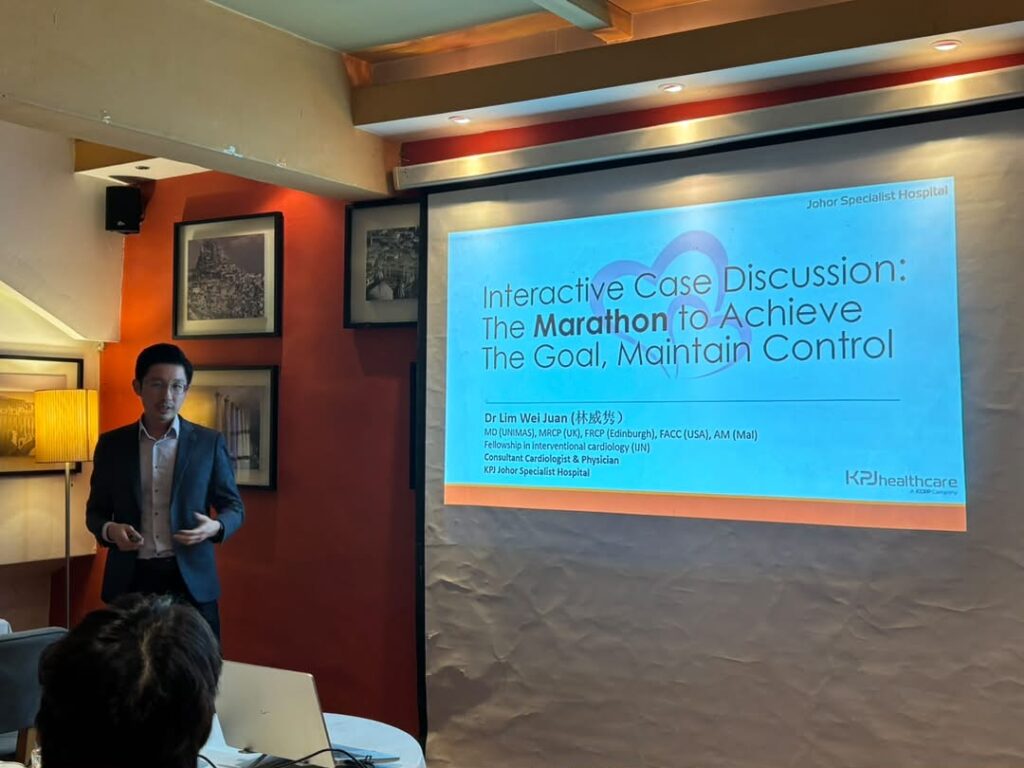
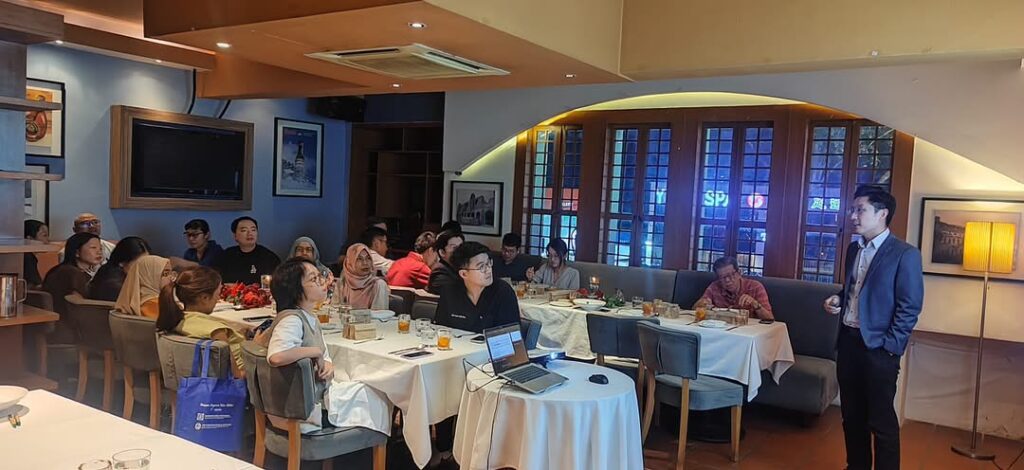
It was a privilege to share insights during my session, “The Marathon to Achieve the Goal, Maintain Control,” where we explored real-world cardiovascular cases and discussed practical approaches to achieving and sustaining treatment goals.
One of the key messages from the session was that cardiovascular risk management is a lifelong journey. While advances in medicine have provided us with effective tools to control blood pressure, cholesterol, diabetes, and other risk factors, long-term success depends on consistent patient engagement, adherence to treatment, and regular follow-up.
The interactive discussions highlighted several important themes:
✅ Early identification and management of cardiovascular risk factors ✅ Individualised treatment strategies tailored to each patient’s needs ✅ The importance of maintaining control rather than simply achieving short-term targets ✅ Shared decision-making between healthcare professionals and patients ✅ Lifestyle modification as the foundation of cardiovascular prevention
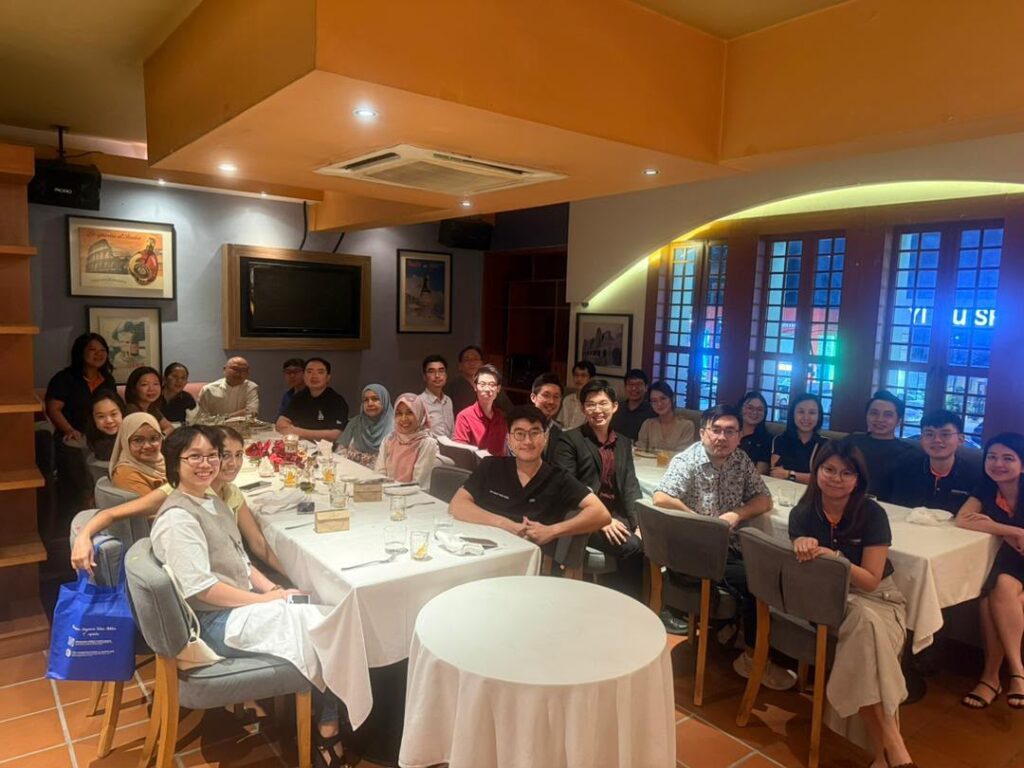
The lively exchange of experiences and perspectives among healthcare professionals made the session particularly rewarding. These discussions reinforce the importance of continuous medical education and collaboration in improving patient outcomes.
Thank you to all colleagues who attended and contributed to the discussion. I look forward to future opportunities to learn, share, and work together towards better cardiovascular care for our patients.
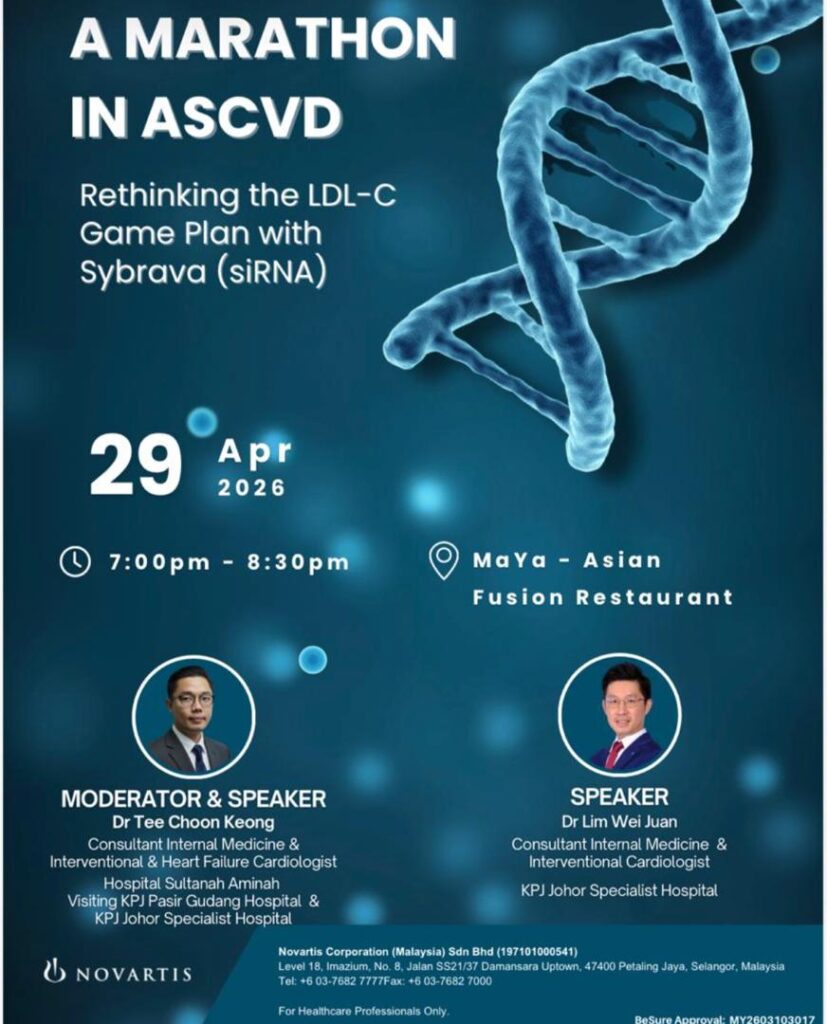
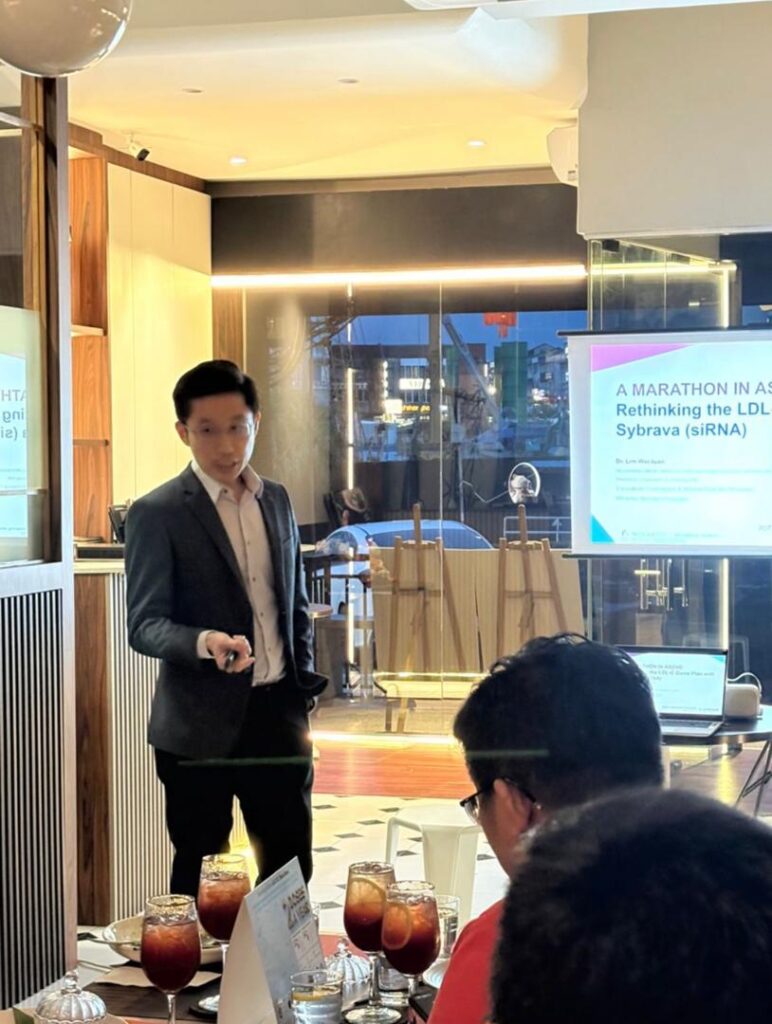
For decades, cardiologists have focused on one goal: lowering LDL cholesterol (“bad cholesterol”) to prevent heart attacks and strokes.
Yet despite high-intensity statins, ezetimibe, and lifestyle modification, many patients with Atherosclerotic Cardiovascular Disease (ASCVD) still fail to achieve guideline-recommended LDL-C targets.
“How low can we safely go, and how can we keep LDL cholesterol low for life?”
This is where Sybrava (siRNA therapy) enters the game.
What is ASCVD?
ASCVD refers to conditions caused by cholesterol plaque build-up inside arteries, including:
Previous heart attack
Coronary artery disease
Coronary stenting (PCI)
Coronary bypass surgery
Stroke
Peripheral arterial disease
Once a patient develops ASCVD, they remain at very high cardiovascular risk for the rest of their life.
Think of ASCVD as a marathon, not a sprint.
Every year that LDL cholesterol remains elevated is another opportunity for plaque progression and future cardiovascular events.
Why LDL Cholesterol Matters
LDL cholesterol is one of the strongest drivers of plaque formation.
Numerous studies have consistently shown:
✔ Lower LDL-C = Lower risk of heart attack
✔ Lower LDL-C = Lower risk of stroke
✔ Lower LDL-C = Lower cardiovascular mortality
Current international guidelines recommend:
LDL-C Targets
Very High-Risk ASCVD Patients
LDL-C < 1.4 mmol/L (<55 mg/dL)
Extremely High-Risk Patients
LDL-C < 1.0 mmol/L (<40 mg/dL)
The challenge?
Many patients remain above target despite maximal statin therapy.
The Problem with Traditional Cholesterol Treatment
While statins remain the foundation of therapy, several real-world issues exist:
1. Poor Medication Adherence
Many patients forget daily medications.
Missing tablets leads to fluctuating LDL levels and loss of protection.
2. Statin Intolerance
Some patients develop:
Muscle aches
Fatigue
Elevated liver enzymes
Although true statin intolerance is uncommon, it remains a barrier.
3. Persistent Residual Risk
Even patients on high-dose statins may not reach LDL targets.
Additional therapies are often required.
What is Sybrava (siRNA Therapy)?
Sybrava utilizes small interfering RNA (siRNA) technology.
Instead of simply blocking cholesterol production, siRNA works at the genetic messenger level.
It targets the production of PCSK9, a protein responsible for LDL receptor degradation.
When PCSK9 is reduced:
✅ More LDL receptors remain active
✅ The liver removes more LDL cholesterol from circulation
✅ LDL cholesterol falls significantly and sustainably
Why siRNA Technology is Different
Imagine LDL receptors as vacuum cleaners removing cholesterol from your bloodstream.
PCSK9 acts like a worker that keeps throwing those vacuum cleaners away.
Sybrava reduces the production of PCSK9.
As a result:
More LDL receptors survive
More cholesterol is cleared
LDL-C remains low for prolonged periods
This represents a completely different treatment strategy from traditional statins.
Key Benefits of Sybrava
Sustained LDL Reduction
One of the most exciting features is long-lasting LDL-C lowering.
Patients do not need to remember daily medication for this specific mechanism.
Consistent Cholesterol Control
Unlike daily tablets that can be missed, LDL lowering remains more stable over time.
Complementary to Statins
Sybrava is not necessarily a replacement for statins.
Instead, it may work alongside:
Statins
Ezetimibe
Other lipid-lowering therapies
to achieve aggressive LDL targets.
Why “Lower is Better” in ASCVD
Large cardiovascular outcome trials have repeatedly demonstrated:
There appears to be no harmful lower threshold for LDL cholesterol in high-risk ASCVD patients.
The concept is simple:
Less LDL cholesterol means less plaque accumulation.
Less plaque means lower risk of:
Heart attack
Stroke
Need for repeat stenting
Cardiovascular death
For patients who already have coronary stents, achieving LDL-C target is not optional—it is essential.
A Message for Patients with Previous Stents
Many patients ask:
“My stent is already inserted. Can I stop my cholesterol medication?”
The answer is no.
A stent treats one blockage.
ASCVD is a disease affecting the entire vascular system.
Without continued LDL control:
Existing plaques may enlarge
New plaques may develop
Future heart attacks can still occur
The goal is not just fixing today’s blockage.
The goal is preventing tomorrow’s heart attack.
The Future of Cholesterol Management
The landscape of cardiovascular prevention is rapidly evolving.
From statins to PCSK9 inhibitors and now siRNA technology, clinicians have more tools than ever before to help patients achieve guideline-directed LDL targets.
The future is shifting toward:
Earlier intervention
More intensive LDL reduction
Better adherence
Long-term cardiovascular protection
For patients living with ASCVD, the journey truly is a marathon.
And every reduction in LDL cholesterol is another step toward finishing that marathon stronger.
Key Takeaway
ASCVD is a lifelong disease.
LDL cholesterol remains the most important modifiable risk factor.
With innovative therapies such as Sybrava (siRNA), achieving and maintaining very low LDL-C levels may become easier, helping reduce the risk of future cardiovascular events.
Remember:
The stent fixes the blockage. Lowering LDL cholesterol protects your future.
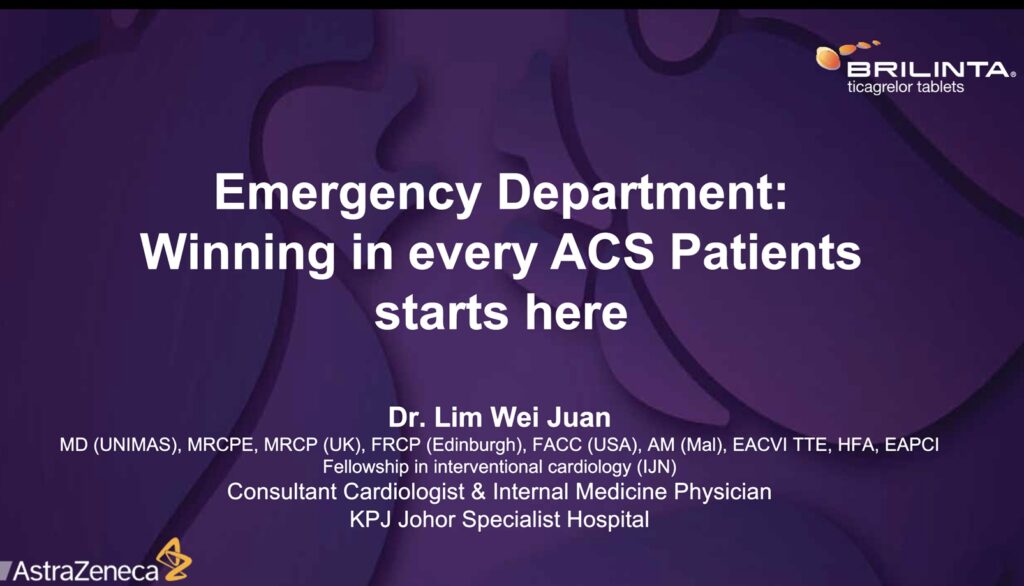
The session, sponsored by AstraZeneca, highlighted a simple but important message:
The journey to saving a heart begins in the Emergency Department.
Every minute counts when a patient presents with chest pain. The decisions made during the first few hours can significantly influence survival, preservation of heart muscle, and long-term cardiovascular outcomes.
Why the Emergency Department Matters
The Emergency Department serves as the frontline in the battle against cardiovascular disease. For patients presenting with ACS, timely recognition and evidence-based treatment can mean the difference between recovery and devastating complications.
Key objectives discussed during the session included:
Rapid identification of ACS patients
Early ECG interpretation
Appropriate risk stratification
Prompt initiation of antiplatelet therapy
Early activation of reperfusion pathways for STEMI patients
Efficient referral and collaboration with the cardiology team
Recognising High-Risk ACS Patients
Emergency physicians frequently encounter patients with atypical symptoms. While classic crushing chest pain remains a hallmark presentation, clinicians must also maintain a high index of suspicion for:
Shortness of breath
Epigastric discomfort
Diaphoresis
Unexplained fatigue
Syncope
Atypical presentations in women, elderly patients, and diabetics
Early recognition remains the cornerstone of successful management.
The Importance of Early Dual Antiplatelet Therapy
One of the key discussions centred around platelet inhibition in ACS.
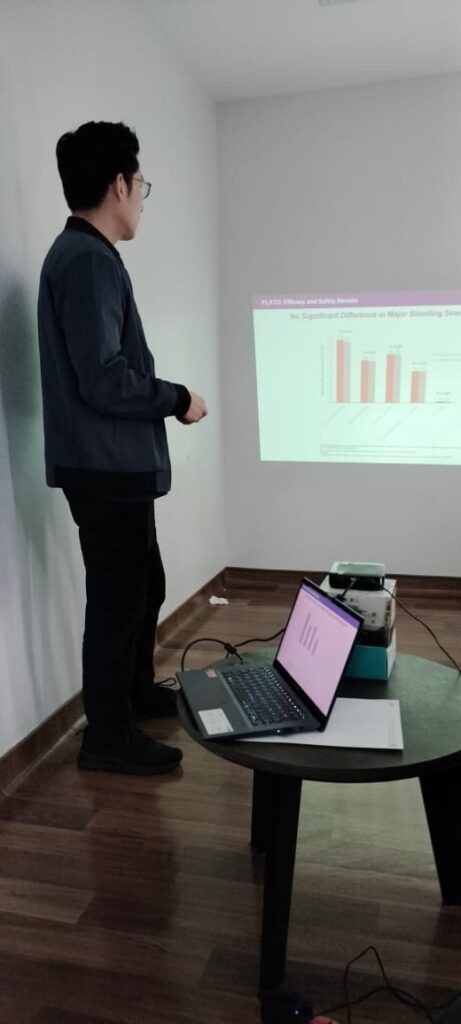
Platelet activation and thrombus formation are central mechanisms responsible for coronary artery occlusion. Early initiation of dual antiplatelet therapy (DAPT), when appropriate, helps reduce recurrent ischaemic events and stent thrombosis following coronary intervention.
The session reviewed current evidence and guideline recommendations regarding:
Aspirin administration
P2Y12 inhibitor selection
Timing of therapy initiation
Balancing ischaemic and bleeding risks
Particular attention was given to ensuring that treatment decisions are individualised according to patient characteristics and clinical presentation.
Time is Muscle
The concept of “Time is Muscle” remains as relevant today as ever.
For STEMI patients:
✅ Door-to-ECG within 10 minutes ✅ Rapid diagnosis ✅ Early activation of the catheterisation laboratory ✅ Minimising door-to-balloon time
Every delay results in greater myocardial injury and worse long-term outcomes.
Emergency physicians play a pivotal role in ensuring these patients reach definitive treatment as quickly as possible.
Beyond the Acute Event
Successful ACS management does not end after reperfusion.
We also discussed the importance of:
High-intensity lipid lowering therapy
Secondary prevention strategies
Lifestyle modification
Cardiac rehabilitation
Long-term medication adherence
For patients who undergo coronary stenting, maintaining optimal LDL-C levels and adherence to prescribed antiplatelet therapy remain critical components of preventing recurrent cardiovascular events.
A Collaborative Effort
Improving outcomes in ACS requires seamless teamwork between emergency physicians, nurses, cardiologists, catheterisation laboratory staff, and rehabilitation teams.
Together, we continue to strengthen our systems of care and ensure that every ACS patient receives the timely, evidence-based treatment they deserve.
Key Take-Home Message
❤️ Winning in every ACS patient starts in the Emergency Department.
Early recognition, rapid risk assessment, timely antiplatelet therapy, and prompt reperfusion remain the foundations of successful ACS care.
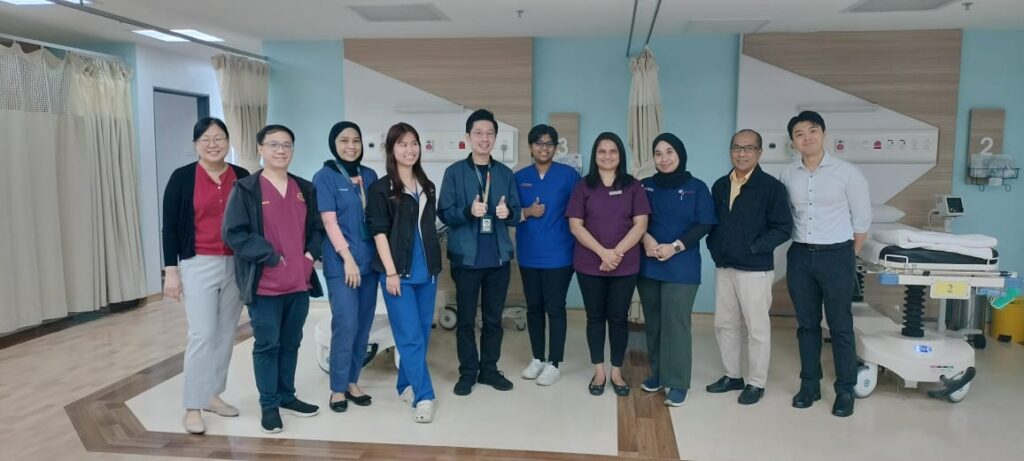
Thank you to the Emergency Department team at KPJ Johor Specialist Hospital for your dedication and commitment to delivering exceptional cardiovascular care.
Sejujurnya, kisah seperti ini bukan sekadar “kes berhasil”—ini adalah pengingat betapa tipisnya batas antara waktu dan nyawa. Kisah dari Batam.
Seorang pasien datang jauh dari Batam, menyeberangi laut dalam kondisi nyeri dada yang semakin memberat. Saat tiba, gejala yang dialaminya sangat khas untuk serangan jantung akut atau Infark Miokard Akut—suatu kondisi di mana aliran darah ke otot jantung terhenti secara tiba-tiba akibat sumbatan pembuluh darah koroner.
Dalam situasi seperti ini, waktu bukan lagi sekadar angka di jam. Setiap menit berarti jaringan jantung yang bisa diselamatkan—atau hilang selamanya.
Setelah penilaian awal dan konfirmasi diagnosis, kami segera membawa pasien ke cath lab untuk melakukan Angioplasti Koroner. Prosedur ini bertujuan membuka pembuluh darah yang tersumbat menggunakan balon kecil, diikuti dengan pemasangan Stent Koroner untuk memastikan aliran darah tetap lancar.
Prosesnya berjalan dengan fokus dan koordinasi tinggi. Dalam kondisi darurat seperti ini, setiap langkah harus cepat, tepat, dan terkoordinasi dengan baik. Tim cath lab, perawat, hingga dokter semuanya bergerak sebagai satu kesatuan.
Syukurlah, pembuluh darah yang tersumbat berhasil dibuka, dan aliran darah ke jantung kembali normal.
Namun, yang paling berkesan bukan hanya keberhasilan prosedurnya.
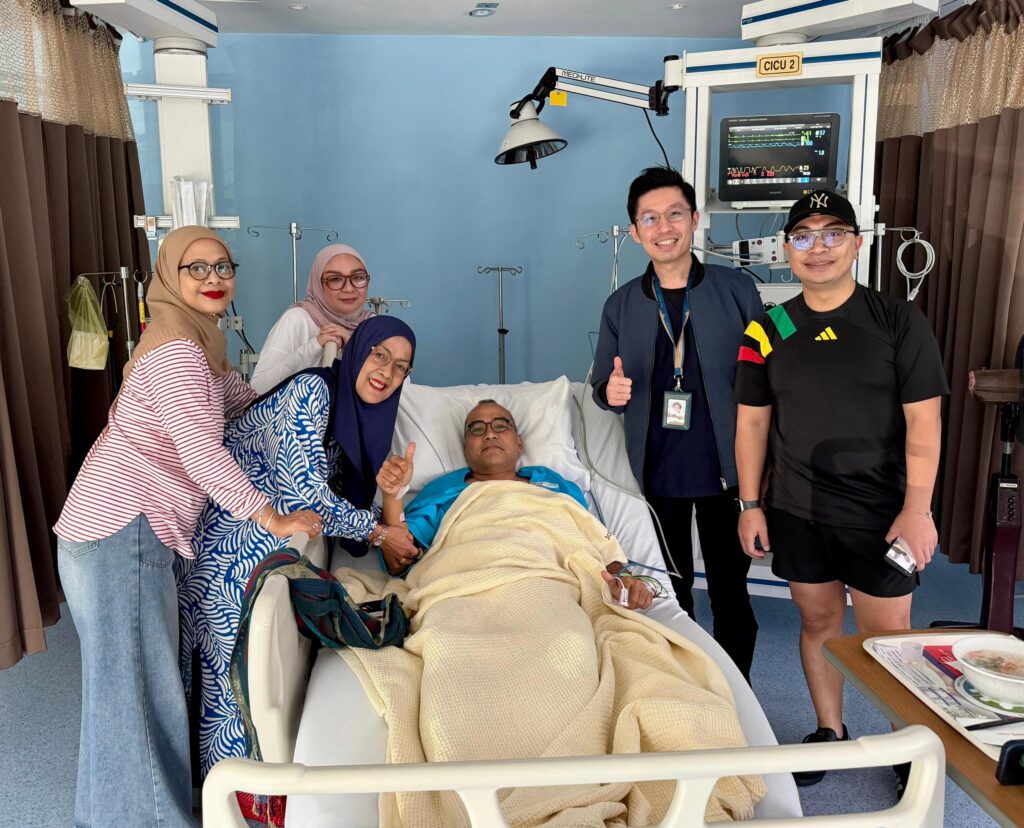
Hari berikutnya, saat melakukan review di wad, kami melihat pasien sudah bisa duduk, berbicara, dan—yang paling penting—tersenyum bersama keluarganya. Wajah yang sebelumnya penuh kecemasan kini berubah menjadi lega dan penuh harapan.
Perjalanan dari Batam bukanlah hal yang mudah, apalagi dalam kondisi darurat. Tapi keputusan untuk segera mencari pertolongan medis terbukti menyelamatkan nyawanya.
Kisah ini kembali menegaskan satu hal penting: jangan pernah menunda saat muncul gejala serangan jantung.
Nyeri dada, rasa tertekan di dada, menjalar ke lengan atau rahang, sesak napas, atau keringat dingin—semuanya adalah tanda bahaya yang tidak boleh diabaikan. Semakin cepat tindakan dilakukan, semakin besar peluang untuk menyelamatkan otot jantung dan kualitas hidup pasien ke depannya.
Bagi kami sebagai dokter, momen melihat pasien pulih dan kembali ke keluarganya adalah kepuasan yang tidak bisa diukur dengan apapun.
Karena pada akhirnya, ini bukan hanya tentang prosedur atau teknologi. Ini tentang manusia, tentang keluarga, dan tentang kesempatan kedua dalam hidup.