
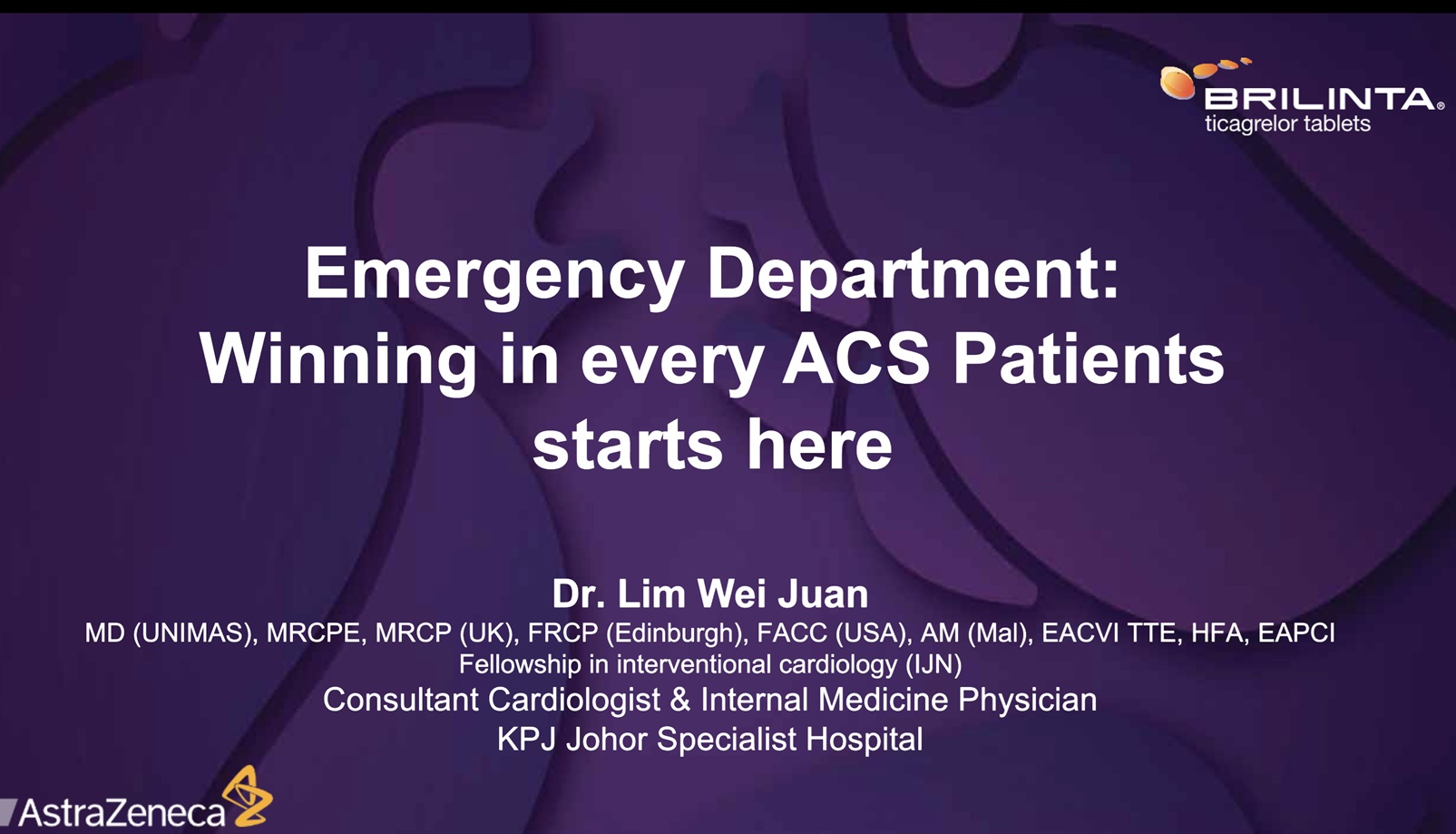
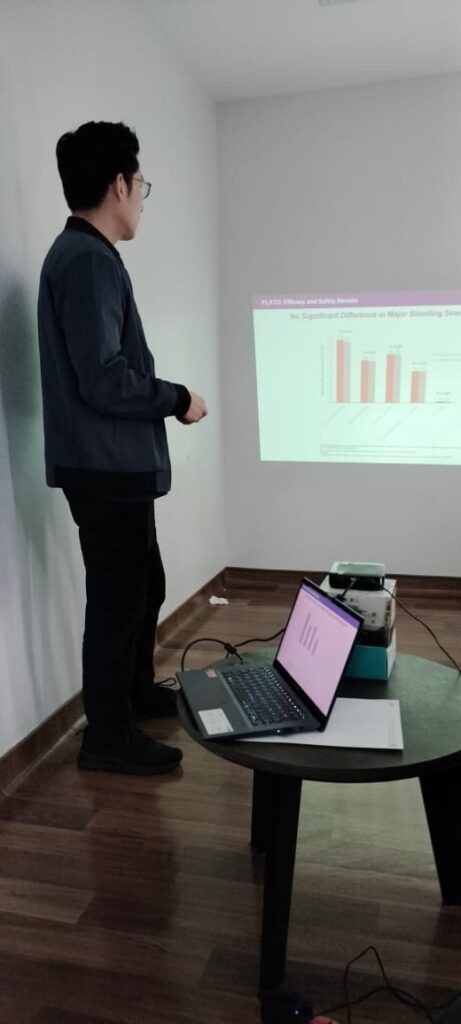
On 29 April 2026, I had the privilege of conducting an educational session for the Emergency Department team at KPJ Johor Specialist Hospital, focusing on the management of Acute Coronary Syndrome (ACS) and the critical role of early decision-making in improving patient outcomes.
The session, sponsored by AstraZeneca, highlighted a simple but important message:
The journey to saving a heart begins in the Emergency Department.
Every minute counts when a patient presents with chest pain. The decisions made during the first few hours can significantly influence survival, preservation of heart muscle, and long-term cardiovascular outcomes.
Why the Emergency Department Matters
The Emergency Department serves as the frontline in the battle against cardiovascular disease. For patients presenting with ACS, timely recognition and evidence-based treatment can mean the difference between recovery and devastating complications.
Key objectives discussed during the session included:
- Rapid identification of ACS patients
- Early ECG interpretation
- Appropriate risk stratification
- Prompt initiation of antiplatelet therapy
- Early activation of reperfusion pathways for STEMI patients
- Efficient referral and collaboration with the cardiology team
Recognising High-Risk ACS Patients
Emergency physicians frequently encounter patients with atypical symptoms. While classic crushing chest pain remains a hallmark presentation, clinicians must also maintain a high index of suspicion for:
- Shortness of breath
- Epigastric discomfort
- Diaphoresis
- Unexplained fatigue
- Syncope
- Atypical presentations in women, elderly patients, and diabetics
Early recognition remains the cornerstone of successful management.
The Importance of Early Dual Antiplatelet Therapy
One of the key discussions centred around platelet inhibition in ACS.
Platelet activation and thrombus formation are central mechanisms responsible for coronary artery occlusion. Early initiation of dual antiplatelet therapy (DAPT), when appropriate, helps reduce recurrent ischaemic events and stent thrombosis following coronary intervention.
The session reviewed current evidence and guideline recommendations regarding:
- Aspirin administration
- P2Y12 inhibitor selection
- Timing of therapy initiation
- Balancing ischaemic and bleeding risks
Particular attention was given to ensuring that treatment decisions are individualised according to patient characteristics and clinical presentation.
Time is Muscle
The concept of “Time is Muscle” remains as relevant today as ever.
For STEMI patients:
✅ Door-to-ECG within 10 minutes
✅ Rapid diagnosis
✅ Early activation of the catheterisation laboratory
✅ Minimising door-to-balloon time
Every delay results in greater myocardial injury and worse long-term outcomes.
Emergency physicians play a pivotal role in ensuring these patients reach definitive treatment as quickly as possible.
Beyond the Acute Event
Successful ACS management does not end after reperfusion.
We also discussed the importance of:
- High-intensity lipid lowering therapy
- Secondary prevention strategies
- Lifestyle modification
- Cardiac rehabilitation
- Long-term medication adherence
For patients who undergo coronary stenting, maintaining optimal LDL-C levels and adherence to prescribed antiplatelet therapy remain critical components of preventing recurrent cardiovascular events.

A Collaborative Effort
Improving outcomes in ACS requires seamless teamwork between emergency physicians, nurses, cardiologists, catheterisation laboratory staff, and rehabilitation teams.
I would like to express my sincere appreciation to the Emergency Department doctors and healthcare professionals at KPJ Johor Specialist Hospital for their active participation and engaging discussions throughout the session.
Together, we continue to strengthen our systems of care and ensure that every ACS patient receives the timely, evidence-based treatment they deserve.
Key Take-Home Message
❤️ Winning in every ACS patient starts in the Emergency Department.
Early recognition, rapid risk assessment, timely antiplatelet therapy, and prompt reperfusion remain the foundations of successful ACS care.
Thank you to the Emergency Department team at KPJ Johor Specialist Hospital for your dedication and commitment to delivering exceptional cardiovascular care.